Franchise cricket leagues face continuous scrutiny over governance frameworks and regulatory enforcement.
When rule violations occur or systems fail, tournament credibility becomes questionable.
The biggest controversies in BBL history demonstrate how gaps in technology provision, player conduct protocols, and pitch certification standards create operational challenges.
Each incident exposed specific weaknesses in league administration.
Examining these controversies reveals patterns in regulatory enforcement, safety protocol implementation, and broadcast conduct governance.
Biggest Controversies in BBL History
Understanding these failures helps assess how franchise competitions balance commercial priorities with sporting integrity requirements.
Top 5 biggest controversies in BBL history
| Rank | Controversy | Season | Authority Involved | Regulation Questioned |
|---|---|---|---|---|
| 1 | Shaheen Afridi bowling ban | 2025-26 | Match officials | Dangerous bowling enforcement protocol |
| 2 | DRS absence | 2018-19 | Cricket Australia | Technology provision standards |
| 3 | Chris Gayle misconduct | 2015-16 | CA & BBL | Media interaction code compliance |
| 4 | Sydney Thunder collapse | 2022-23 | ICC & venue authority | Pitch certification and safety |
| 5 | Melbourne Renegades collapse | 2014-15 | Cricket Australia | Pitch preparation oversight |
1. Shaheen Afridi banned from bowling on BBL debut (BBL 2025-26)
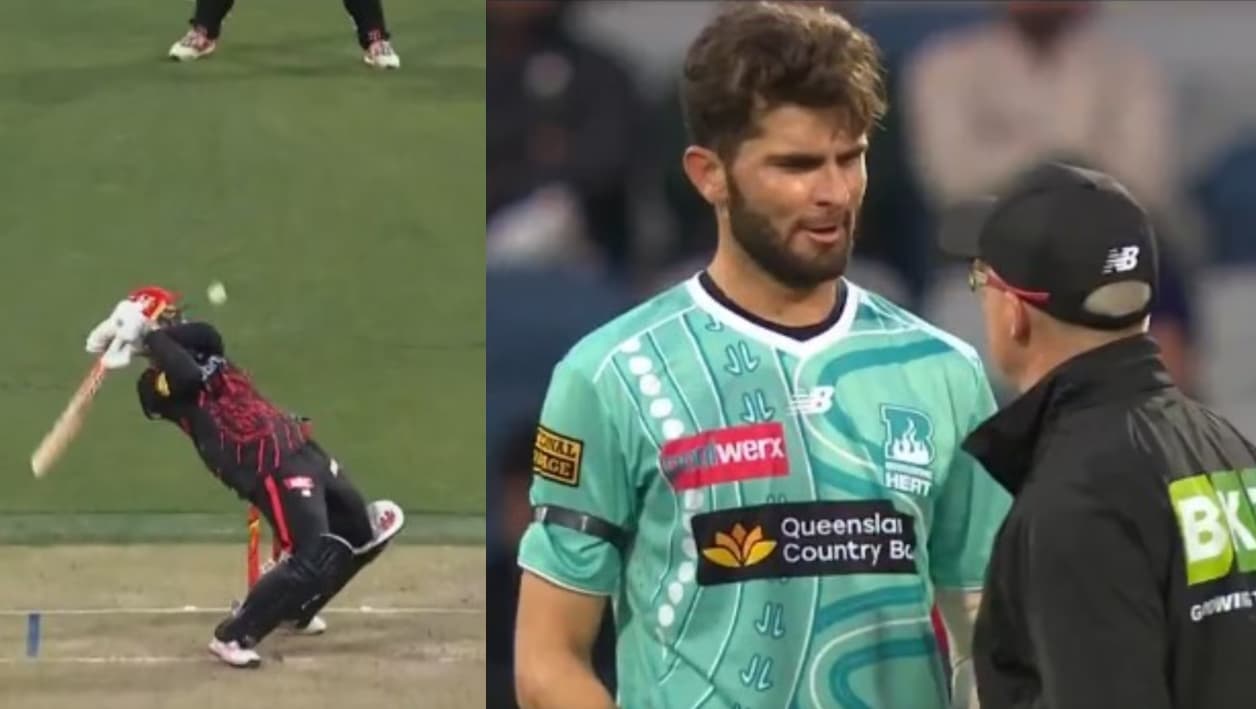
Brisbane Heat pacer Shaheen Afridi was removed from the bowling attack during the 18th over against Melbourne Renegades. He delivered two waist-high full tosses to Tim Seifert and Ollie Peake in the same over.
Match officials applied Law 41.7, which mandates automatic suspension from bowling when a bowler delivers two waist-height full tosses in one over. This regulation exists to prevent dangerous deliveries that pose injury risks.
The umpiring decision followed mandatory protocol without discretionary assessment. This incident demonstrated strict enforcement of player safety regulations in domestic T20 competitions.
2. DRS failure in BBL 2018-19
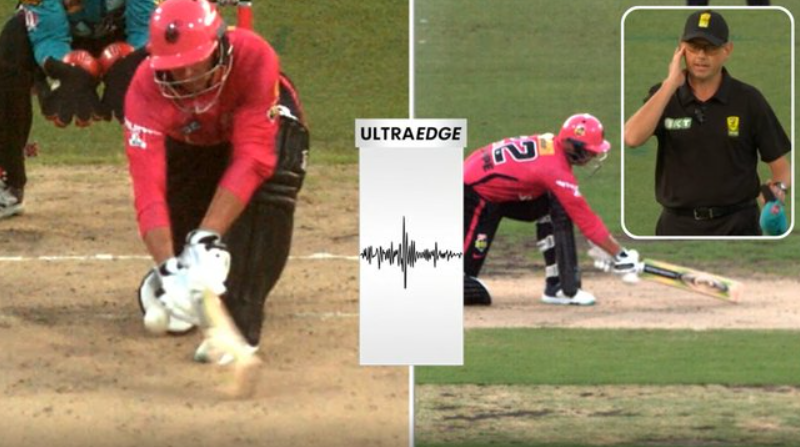
The 2018-19 BBL season operated without Decision Review System technology due to budget constraints and infrastructure limitations. This absence eliminated accountability mechanisms for umpiring decisions.
D’Arcy Short’s innings for Hobart Hurricanes against Melbourne Stars included an umpiring error that cost him milestone recognition. A shot struck his bat but was incorrectly ruled a leg bye, denying him century status at 96 runs.
The incident highlighted how technology gaps undermine decision accuracy and create milestone validation issues. Subsequent seasons incorporated review systems to address these credibility concerns.
3. Chris Gayle’s inappropriate conduct with an Australian journalist (BBL 2016)
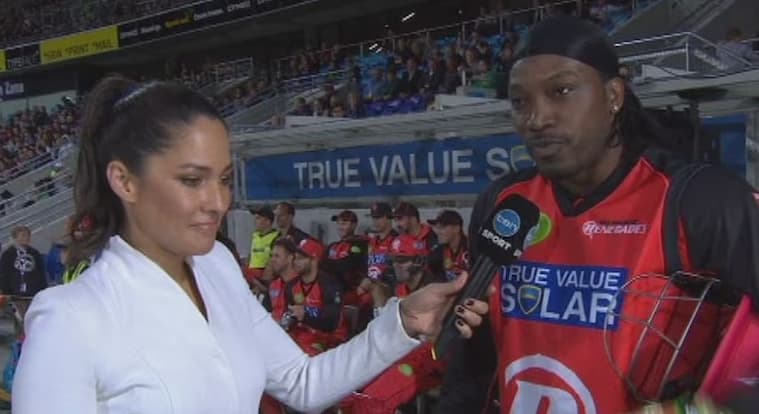
Chris Gayle breached professional conduct standards during a live broadcast interview with reporter Mel McLaughlin in the 2015-16 season.
His comments violated workplace behavior norms and broadcast professionalism requirements.
Cricket Australia imposed a $10,000 fine under existing conduct regulations. The incident exposed gaps in media interaction protocols and broadcast environment governance.
BBL authorities subsequently revised player conduct codes and implemented stricter broadcast interview guidelines.
These amendments established clearer boundaries for player-media engagement during live coverage.
4. Sydney Thunder All-Out for 15 (BBL 2022-23)
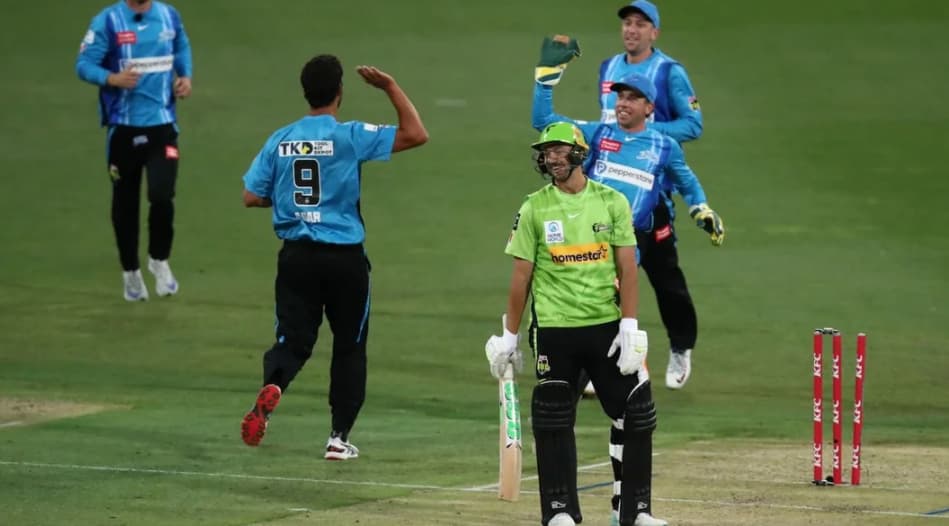
Sydney Thunder’s dismissal for 15 runs against Adelaide Strikers while chasing 140 triggered pitch assessment protocols. The Adelaide Oval surface displayed characteristics that compromised batting safety and competitive balance.
The International Cricket Council rated the pitch as substandard following match completion. This rating system evaluates whether playing surfaces meet minimum safety and fairness standards for professional cricket.
The incident questioned venue preparation standards and Cricket Australia’s pitch certification processes. Poor ratings can result in sanctions against host venues under ICC playing conditions.
5. Melbourne Renegades Batting Collapse (BBL 2015)
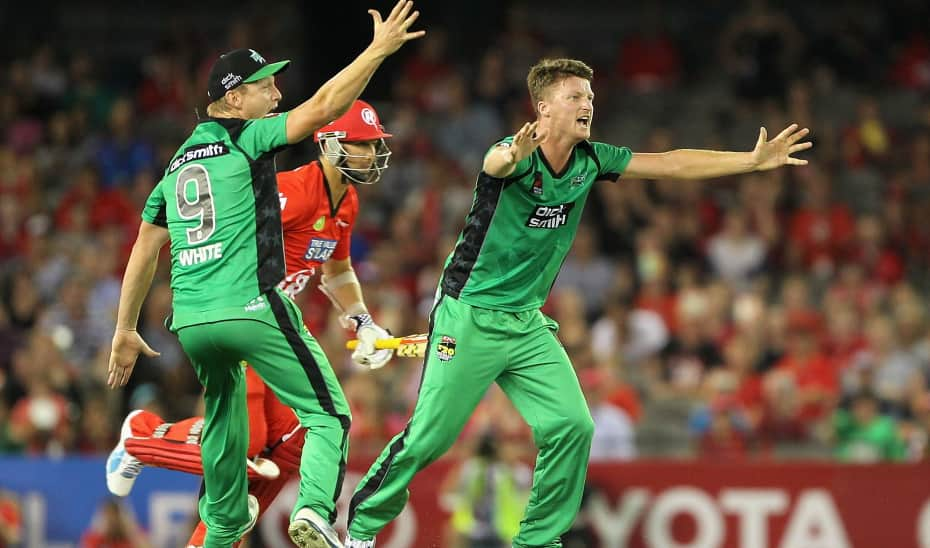
Melbourne Renegades were dismissed for 57 runs chasing 170 against Melbourne Stars at Etihad Stadium. The pitch displayed inconsistent bounce patterns with some deliveries staying low and others rising sharply.
This behavior violated expected pitch performance standards for professional T20 cricket. Cricket Australia faced questions about its pitch inspection and approval protocols.
The controversy led to enhanced pitch monitoring requirements across BBL venues. New standards mandated regular surface assessments and stricter certification criteria before match approval.
Conclusion
The biggest controversies in BBL history reveal systematic governance challenges across multiple operational areas:
- Regulatory enforcement mechanisms for dangerous bowling and player conduct violations
- Technology infrastructure gaps that compromise decision accountability
- Media conduct governance frameworks requiring clearer professional boundaries
- Pitch safety certification protocols needing enhanced oversight and quality control
These incidents demonstrate how controversies that marred the Big Bash League ultimately drive regulatory improvements and strengthen tournament administration frameworks.
About the Author