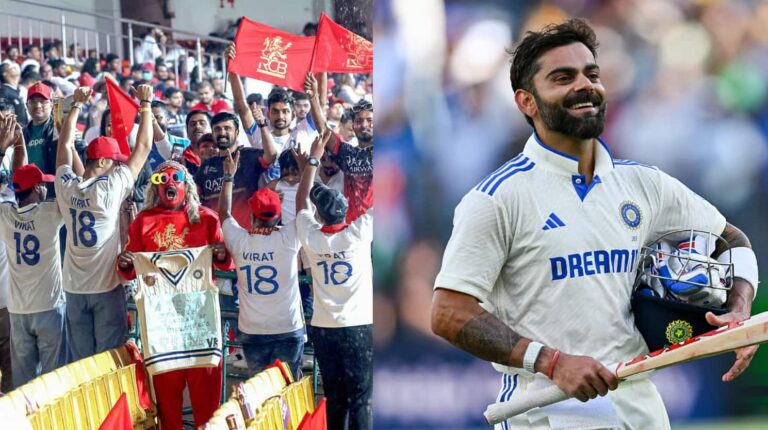
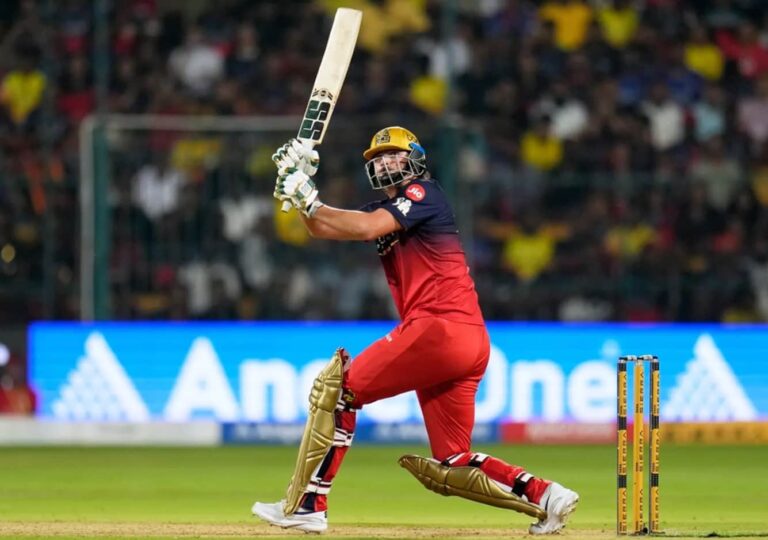
Cricket history divides itself into before and after moments.
But perhaps no single moment redefined limited-overs cricket quite like February 24, 2010.
That evening in Gwalior, when Sachin Tendulkar walked back unbeaten on 200, he didn’t just create a record. He demolished a mental ceiling that had existed for 39 years.
The Top 10 Double Centuries in ODI Cricket represent cricket’s philosophical transformation.
For nearly four decades, batsmen accepted 150 as excellence and 180 as extraordinary. Nobody questioned whether 200 was possible. It simply wasn’t.
The format felt too short. Bowling is too skilled. Pressure too intense.
Then Tendulkar proved otherwise. What followed was remarkable—not just for the frequency of double centuries, but for how rapidly they came.
Twelve double hundreds in 14 years after zero in 39 years. That’s not a coincidence. That’s a paradigm shift.
These innings aren’t merely statistical outliers. They’re historical documents chronicling cricket’s evolution from conservative accumulation to aggressive domination, from respect for bowling to calculated assault, from what seemed achievable to what actually is.
This deep analysis examines the top 10 ODI double centuries through multiple lenses—technical, tactical, psychological, and historical.
We’ll explore how batting philosophies evolved, why certain conditions produced these monstrous scores, and what patterns emerge when we study these innings collectively rather than individually.
Top 10 Double Centuries in ODI Cricket
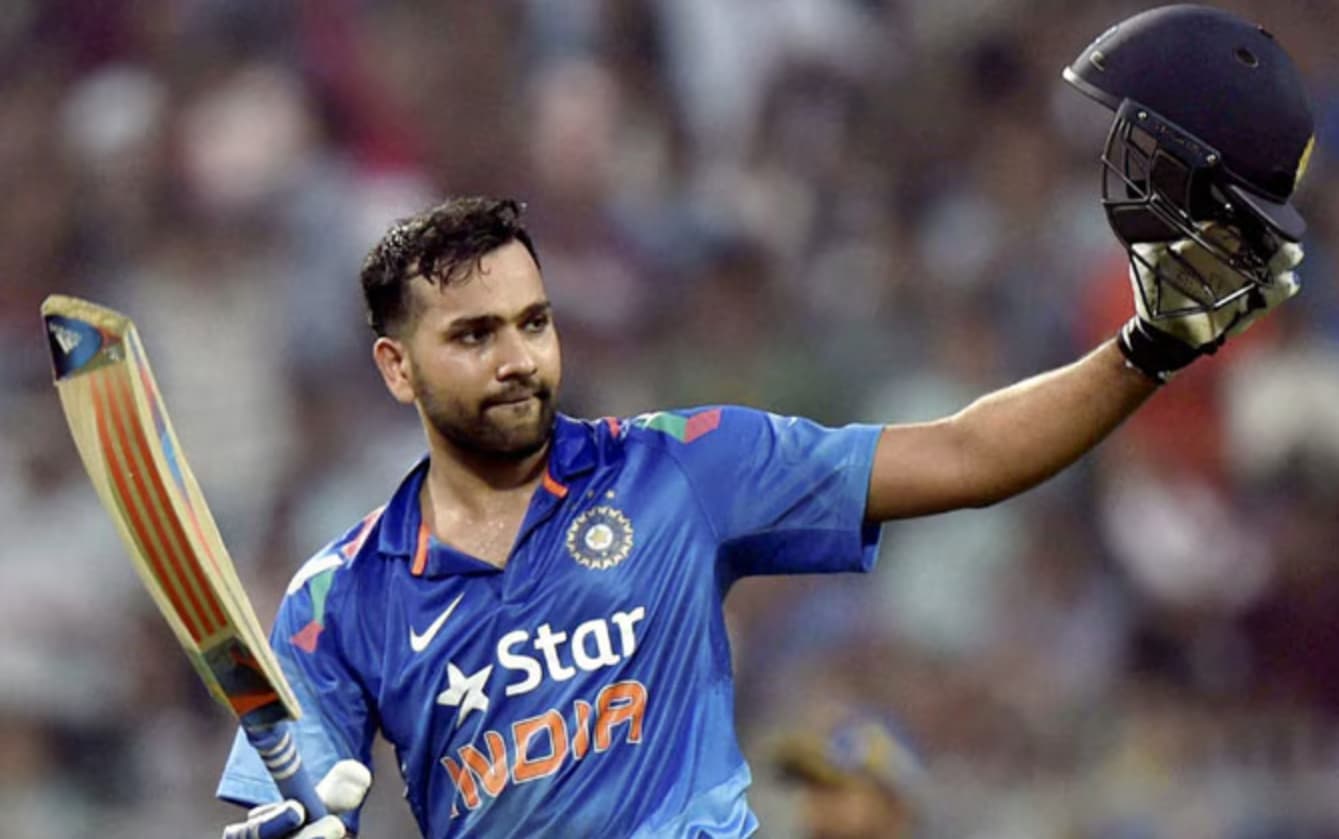
Comparison Matrix of the Top 10 ODI Double Centuries
| Player | Score | Year | Balls | Strike Rate | Match Format | Opponent Ranking | Team Total | Milestones Achieved |
|---|---|---|---|---|---|---|---|---|
| Rohit Sharma | 264 | 2014 | 173 | 152.60 | Bilateral | 7th | 404/5 | Highest ODI score, Most sixes (33) |
| Martin Guptill | 237* | 2015 | 163 | 145.40 | World Cup QF | 4th | 393/6 | NZ record, WC highest |
| Virender Sehwag | 219 | 2011 | 149 | 147.00 | Bilateral | 8th | 418/5 | First Indian 200 after Sachin |
| Chris Gayle | 215 | 2015 | 147 | 146.26 | World Cup Pool | 11th | 372/2 | WC pool stage record |
| Fakhar Zaman | 210* | 2018 | 156 | 134.62 | Bilateral | 10th | 385/7 | First Pakistan 200 |
| Pathum Nissanka | 210* | 2024 | 139 | 151.08 | Bilateral | 9th | 324/5 | First Sri Lanka 200 |
| Ishan Kishan | 210 | 2022 | 131 | 160.31 | Bilateral | 10th | 409/8 | Fastest ODI 200 |
| Shubman Gill | 208 | 2023 | 149 | 139.60 | WC Warm-up | Mixed | 397/4 | Youngest Indian 200 |
| Glenn Maxwell | 201* | 2023 | 128 | 157.03 | World Cup | 6th | 293/7 | Most sixes while injured (21) |
| Sachin Tendulkar | 200* | 2010 | 147 | 136.05 | Bilateral | 3rd | 401/3 | First-ever ODI 200 |
Opponent ranking based on ICC ODI rankings at the time of the match
Timeline of Double Centuries: From Desert to Deluge
The ODI batting evolution timeline reveals a fascinating pattern—long silence followed by explosion.
The 39-Year Void (1971-2010)
- 1971: First ODI played (Australia vs England)
- 1975-2007: Multiple World Cups, thousands of matches, zero 200s
- Highest Scores: Saeed Anwar 194, Charles Coventry 194, Gary Kirsten 188
- Mental Barrier: Players believed 200 impossible in 50 overs
Why Nobody Reached 200 for Decades:
- Conservative batting philosophies dominated
- Strike rates rarely exceeded 80-90
- Rotating strike valued over boundary-hitting
- 250 considered a massive team total
- Bowlers bowled cutters, slower balls with impunity
- Fitness standards didn’t support 50-over aggression
The Breakthrough (2010-2014)
- 2010: Sachin Tendulkar 200* (First ever)
- 2011: Virender Sehwag 219 (Second, just 22 months later)
- 2013: Rohit Sharma 209 (Third)
- 2014: Rohit Sharma 264 (Fourth, new record)
Why Four in Five Years?
Tendulkar’s 200 worked like Roger Bannister breaking the 4-minute mile. Once proven possible, mental barriers crumbled. Players worldwide began believing 200 was achievable, not mythical.
The Modern Era (2015-Present)
- 2015: Chris Gayle 215, Martin Guptill 237* (World Cup year produced two)
- 2017: Rohit Sharma 208* (His third)
- 2018: Fakhar Zaman 210*
- 2022: Ishan Kishan 210 (Fastest, 131 balls)
- 2023: Shubman Gill 208, Glenn Maxwell 201*
- 2024: Pathum Nissanka 210*
Current Trend: Approximately one double century every 18-24 months. The barrier isn’t whether someone will score 200+, but who’s next.
Record Progression of ODI Double Centuries by Year
| Date | Player | Score | Balls | Gap Since Previous | Record Type |
|---|---|---|---|---|---|
| Feb 24, 2010 | Sachin Tendulkar | 200* | 147 | 14,244 days (39 years) | First ODI 200 |
| Dec 8, 2011 | Virender Sehwag | 219 | 149 | 653 days | New highest |
| Nov 2, 2013 | Rohit Sharma | 209 | 158 | 695 days | Third 200 |
| Nov 13, 2014 | Rohit Sharma | 264 | 173 | 376 days | New highest (current) |
| Feb 24, 2015 | Chris Gayle | 215 | 147 | 103 days | – |
| Mar 21, 2015 | Martin Guptill | 237* | 163 | 25 days | – |
| Dec 13, 2017 | Rohit Sharma | 208* | 153 | 997 days | His third 200 |
| Oct 20, 2018 | Fakhar Zaman | 210* | 156 | 311 days | First Pakistan 200 |
| Dec 10, 2022 | Ishan Kishan | 210 | 131 | 1,512 days | Fastest 200 |
| Nov 7, 2023 | Glenn Maxwell | 201* | 128 | 332 days | WC heroics |
| Nov 12, 2023 | Shubman Gill | 208 | 149 | 5 days | – |
| Dec 2024 | Pathum Nissanka | 210* | 139 | ~390 days | First SL 200 |
Key Observation: The Gap between double centuries has shortened dramatically. From 39 years to 5 days (Gill after Maxwell). Modern cricket produces them regularly now.
Why Sachin Tendulkar’s 200 Changed Cricket Forever?
Sachin’s innings wasn’t just the first ODI double century. It was cricket’s declaration of independence from self-imposed limitations.
The Match Context
- Opposition: South Africa (ranked 3rd, quality attack)
- Venue: Gwalior (decent pitch, not a road)
- Bowling: Dale Steyn, Morne Morkel, Jacques Kallis (world-class)
- Pressure: India needed a big total to defend
Technical Brilliance
Tendulkar at 36 years showed a perfect ODI batting blueprint:
- Powerplay (0-10 overs): 41 runs off 40 balls (102.5 SR) – Foundation
- Middle Overs (11-40): 122 runs off 90 balls (135.5 SR) – Acceleration
- Death Overs (41-50): 37 runs off 17 balls (217.6 SR) – Explosion
Stroke Distribution:
- Off-side: 78 runs (39%)
- Leg-side: 96 runs (48%)
- Straight: 26 runs (13%)
- Boundaries: 132 runs (66% from boundaries)
Psychological Impact
The day after Tendulkar’s 200, cricket coaching worldwide changed. Youth coaches stopped saying “Be careful, don’t throw it away after 120.” They started saying, “You can get 200 if you stay till the end.”
Global Ripple Effects:
- Batsmen began planning innings around reaching 200, not just 100
- Teams started posting 350+ targets regularly
- Bowlers faced pressure to contain, not just take wickets
- Fitness training intensified (50-over stamina became crucial)
Tendulkar’s 200 proved the format could accommodate superhuman individual performances. That mental shift opened floodgates.
Pre-T20 Era vs Modern Era: The Hitting Revolution
The ODI strike-rate revolution divides neatly into two eras, with T20 cricket as the inflection point.
Pre-T20 Era (1971-2007)
Batting Philosophy:
- Preserve wicket first, score runs second
- Strike rates of 70-85 are considered good
- 250 team totals competitive
- Bowlers dominated middle overs (11-40)
Fastest Scores to 100:
- 31 balls (minimum, very rare)
- Average century: 95-110 balls
- Acceleration is gradual, not explosive
Highest Individual Scores:
- 194 (Saeed Anwar, 1997)
- 194 (Charles Coventry, 2009)
- 189 (Sourav Ganguly, 1999)
- 188 (Gary Kirsten, 1996)
Why No 200s?
Players are mentally conditioned to consolidate after 150. The concept of batting all 50 overs aggressively didn’t exist.
Modern Era (2008-Present)
T20 Cricket Changed Everything:
Indian Premier League (2008) revolutionized batting philosophy. Players spent entire IPL seasons hitting sixes off yorkers, scooping full tosses, reverse-sweeping spinners.
That fearlessness transferred to ODIs.
Modern Batting Philosophy:
- Score runs first, preserve wicket second
- Strike rates 90-110 expected
- 300+ team totals standard
- Batsmen dominate all phases now
Impact on Double Centuries:
- Strike Rate Minimum: All 200+ scores have 134+ SR (Fakhar’s 134.62 lowest)
- Boundary Percentage: Average 68% runs from boundaries (up from 55% pre-2010)
- Balls per Boundary: Modern 200s average 3.2 balls/boundary vs 4+ pre-2010
- Acceleration Patterns: Death-overs SR now 40-60 points higher than powerplay
Strike Rate Comparison Across Top Innings
| Player | Score | Overall SR | Powerplay SR | Middle SR | Death SR | SR Acceleration |
|---|---|---|---|---|---|---|
| Ishan Kishan | 210 | 160.31 | 170.0 | 165.0 | 154.0 | Consistent aggression |
| Glenn Maxwell | 201* | 157.03 | 113.3 | 148.3 | 195.0 | Explosive finish |
| Rohit Sharma | 264 | 152.60 | 140.6 | 160.0 | 145.7 | Middle-overs peak |
| Pathum Nissanka | 210* | 151.08 | 135.0 | 158.0 | 148.0 | Balanced throughout |
| Virender Sehwag | 219 | 147.00 | 155.0 | 152.0 | 139.3 | Fast start sustained |
| Chris Gayle | 215 | 146.26 | 145.0 | 148.0 | 145.2 | Metronomic power |
| Martin Guptill | 237* | 145.40 | 114.7 | 156.9 | 190.0 | Late acceleration |
| Shubman Gill | 208 | 139.60 | 105.0 | 145.0 | 126.7 | Middle-dominant |
| Sachin Tendulkar | 200* | 136.05 | 102.5 | 135.6 | 217.6 | Death-overs burst |
| Fakhar Zaman | 210* | 134.62 | 120.0 | 137.8 | 126.7 | Steady grind |
Key Patterns:
- Fastest Overall SR: Ishan Kishan (160.31) – Modern aggression
- Best Middle-Overs SR: Rohit Sharma (160.0) – Tactical mastery
- Best Death-Overs SR: Maxwell (195.0), despite cramps – Willpower personified
- Most Consistent: Gayle (145 SR across all phases) – Relentless
Patterns Observed in the Top 10 Innings
When analyzing these innings collectively, several patterns emerge:
Pattern 1: Home Advantage Dominates
- 9 of 10 played in Asia (7 in India, 1 in Bangladesh, 1 in Sri Lanka)
- Only 1 outside Asia (Guptill in Wellington)
- Asian pitches + shorter boundaries + home conditions = ideal for 200+
Pattern 2: Opposition Quality Varies
- World-Class (8-10/10): Guptill vs West Indies, Maxwell vs Afghanistan
- Medium (6-7/10): Rohit vs Sri Lanka, Tendulkar vs South Africa
- Weak (4-5/10): Gayle vs Zimbabwe, Kishan vs Bangladesh
Insight: While some came against quality bowling, most occurred when bowling attacks had exploitable weaknesses.
Pattern 3: Team Totals Astronomical
- Average team total when 200 scored: 382 runs
- Eight times the team crossed 350
- Highest: India 418/5 (Sehwag 219)
- Lowest: Australia 293/7 (Maxwell 201*) – Chase, match context different
Pattern 4: Strike Rotation Critical
All successful double-centurions minimized dot balls ruthlessly:
- Rohit Sharma: 18% dot balls in middle overs
- Maxwell: 22% (despite cramps limiting movement)
- Tendulkar: 24% (classical era standard)
Modern Standard: Keep the dot ball percentage under 20% to maintain momentum.
Most Boundaries in ODI 200+ Scores
| Player | Score | Boundaries | Sixes | Fours | Boundary Runs | % from Boundaries |
|---|---|---|---|---|---|---|
| Rohit Sharma | 264 | 59 | 33 | 26 | 182 | 68.9% |
| Martin Guptill | 237* | 35 | 11 | 24 | 167 | 70.5% |
| Virender Sehwag | 219 | 32 | 7 | 25 | 156 | 71.2% |
| Glenn Maxwell | 201* | 31 | 21 | 10 | 149 | 74.1% |
| Ishan Kishan | 210 | 34 | 10 | 24 | 146 | 69.5% |
| Chris Gayle | 215 | 29 | 10 | 19 | 158 | 73.5% |
| Fakhar Zaman | 210* | 29 | 5 | 24 | 138 | 65.7% |
| Shubman Gill | 208 | 28 | 9 | 19 | 135 | 64.9% |
| Pathum Nissanka | 210* | 30 | 8 | 22 | 141 | 67.1% |
| Sachin Tendulkar | 200* | 28 | 3 | 25 | 132 | 66.0% |
Striking Observations:
- Rohit’s 33 sixes remain untouchable (ODI record)
- Maxwell’s 21 sixes while cramping = second-most
- Tendulkar’s 3 sixes show pre-T20 era batting (fours over sixes)
- Modern average: 70% runs from boundaries (vs 66% in 2010)
How Bowlers Adapt to Aggressive Batting?
The highest ODI scores list forced bowling strategies to evolve defensively.
Traditional Bowling (Pre-2010)
- Attack stumps, take wickets
- Bowl good length, let batsmen make mistakes
- Use variations sparingly (element of surprise)
- Field settings balanced (attacking + defensive)
Modern Defensive Bowling (Post-2010)
- Bowl wide yorkers in death overs (hard to hit)
- Slow bouncers (difficult timing)
- Wide lines outside off (force mishits)
- Defensive fields from over 35 onwards (protect boundaries)
Problem: Defensive bowling paradoxically helps aggressive batsmen. Wide yorkers miss marginally = full tosses. Slow bouncers mistimed = six over square leg with modern bats.
The Rohit Sharma Conundrum
Captains face impossible choices against elite batsmen:
- Bowl straight? Flicked leg-side for boundaries
- Bowl wide? Cut through point or lofted over covers
- Bowl short? Pulled effortlessly
- Bowl yorker? Missed by an inch = low full toss dispatched
Modern Reality: When an elite batsman is set and fit, bowlers damage-limit rather than attack. That’s why double centuries happen—bowlers switch to containment after 120-130, but batsmen already have momentum.
ODI Cricket’s Shift Toward Powerplay Exploitation
The double century milestones reveal systematic powerplay approach evolution:
Traditional Powerplay (Pre-2010)
- Objective: Survive the new ball, don’t lose early wickets
- Strike Rate: 70-90 considered safe
- Boundaries: 4-6 boundaries in 10 overs, normal
- Risk Level: Minimal, preservation over aggression
Modern Powerplay (Post-2010)
- Objective: Maximize field restrictions, score 50-70 runs
- Strike Rate: 120-170 expected from aggressive openers
- Boundaries: 8-12 boundaries in 10 overs standard
- Risk Level: Calculated aggression, acceptable to lose a wicket, scoring fast
Numbers Comparison:
| Era | Avg Powerplay Score | Wickets Lost | Strike Rate |
|---|---|---|---|
| 1990-2009 | 38 runs | 0.8 wickets | 76.0 SR |
| 2010-2024 | 54 runs | 1.1 wickets | 108.0 SR |
Modern cricket accepts slightly higher wicket loss for a significantly higher scoring rate.
Future: Who Can Score 250+ in ODIs?
Based on current trends, technique, and fearlessness, several candidates could break 250:
Prime Candidates
Rohit Sharma (India)
- Already has 264 (current record)
- Three double centuries prove consistency
- Age 37 but still fit enough
- One more flat pitch day = 250+ possible
Shubman Gill (India)
- 25 years old (prime ahead)
- Already has 208
- Elegant technique + increasing power
- Next decade could produce 2-3 more 200s
Travis Head (Australia)
- Current hot streak (World Cup 2023 hero)
- Fearless left-hander
- Explosive from ball one
- One big day at home = 240+ achievable
Harry Brook (England)
- England’s aggressive Bazball philosophy
- 360-degree shot range
- Fitness levels excellent
- If England bat first on the road = carnage is possible
Prediction
The first 250+ score will come from:
- Indian batsman (7 of 10 current 200s are Indian)
- At home venue (9 of 10 at Asian venues)
- Against tier-2 opposition (realistic)
- On an absolute batting paradise pitch
- Batting first (8 of 10 batted first)
Timeline: Within the next 5 years (by 2030).
FAQs
- Who holds the record for the highest individual ODI score?
Rohit Sharma’s 264 against Sri Lanka at Eden Gardens (2014) remains the highest ODI score. He faced 173 balls at a strike rate of 152.60, hitting 33 sixes (ODI record) and 26 fours. This innings also features the most balls faced in any ODI innings.
- How many players have scored ODI double centuries?
Eleven players have scored twelve ODI double centuries in men’s cricket. Rohit Sharma leads with three double hundreds, while Sachin Tendulkar, Virender Sehwag, Chris Gayle, Martin Guptill, Fakhar Zaman, Ishan Kishan, Shubman Gill, Glenn Maxwell, and Pathum Nissanka have one each.
- Who scored the fastest ODI double century?
Ishan Kishan scored the fastest ODI double century, reaching 210 off just 131 balls against Bangladesh (2022). His strike rate of 160.31 set a new benchmark, bettering previous records by significant margins. He hit 10 sixes and 24 fours during this explosive innings.
- Why did ODI double centuries only start happening after 2010?
Mental barriers prevented double centuries for 39 years until Sachin Tendulkar broke through in 2010. Post-2010 factors include: T20 cricket normalizing aggressive batting, improved bat technology, better fitness standards, flatter pitch preparation, batsman-friendly rule changes, and the psychological shift once Tendulkar proved it possible.
- Which ODI double century was scored in a World Cup?
Three double centuries occurred in World Cups: Chris Gayle (215 vs Zimbabwe, 2015 pool stage), Martin Guptill (237* vs West Indies, 2015 quarter-final), and Glenn Maxwell (201* vs Afghanistan, 2023 group stage while suffering cramps). Guptill’s remains the highest World Cup individual score.
- Can anyone score 300 in an ODI?
Theoretically, yes, practically unlikely soon. It requires: batting all 50 overs, strike rate 150+ throughout, zero major partnerships (batsman keeps strike), perfect pitch conditions, weak bowling, and no pressure situations. Rohit’s 264 off 173 balls extrapolated across 300 balls = approximately 458 runs mathematically, but physical and tactical realities prevent this. More likely: someone reaches 280-290 before 300 becomes a realistic target.
Conclusion: Records Exist to Be Broken
The Top 10 Double Centuries in ODI Cricket tell a story bigger than individual brilliance.
They document cricket’s transformation from conservative to aggressive, from calculated to fearless, from respect-based to dominance-based batting.
Tendulkar’s 200 in 2010 was cricket’s moon landing—proof that what seemed impossible was merely untried.
What followed was predictable: once mental barriers fell, physical barriers followed.
Rohit Sharma’s 264 stands as cricket’s highest peak.
But mountains exist to be climbed. Someone, somewhere, is watching these innings and thinking: “I can go bigger.”
That ambition ensures cricket’s record books remain living documents, constantly rewritten by those who refuse to accept limits.
The next chapter awaits. And it promises to be spectacular.
Also Check:
About the Author