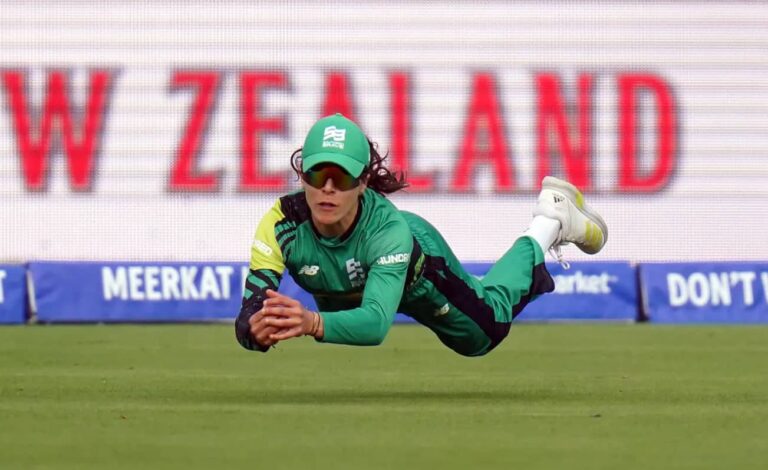
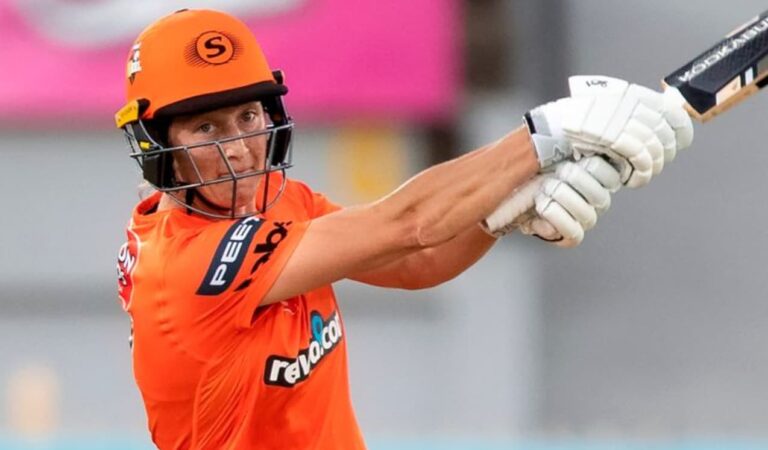
The Hundred is changing how teams pick their players. Instead of the old draft system, they’re using an auction for the first time.
Think of it like a sports car sale where teams bid against each other to buy the players they want.
The Hundred 2026 auction rules explained are actually quite simple once you break them down.
Teams get a fixed amount of money. They use that money to bid on players. The team willing to pay the most wins that player. Easy, right?
The men’s auction happens on Thursday, March 12. The women’s auction takes place the day before, on March 11. More than 300 players will be sold across both days.
The Hundred 2026 Auction Rules Explained

What Changed from the Old System?
Before 2026, The Hundred used a draft system. Teams took turns picking players in order.
The weakest teams picked first. Players earned fixed salaries based on preset brackets.
Now it works differently. Teams bid money for every player.
The highest bidder wins. This is like the IPL auction that happens in India every year.
The change happened after the ECB sold parts of The Hundred to private owners.
Four IPL team owners bought into The Hundred franchises. They preferred the auction format over the draft.
How Many Players Can Teams Sign Early?
Before the auction starts, teams can sign some players directly without bidding. This is called direct signing or pre-signing.
Each team can sign up to four players early. But there are rules:
- At least one must be a player they kept from last year
- Maximum two can be England players with central contracts
- Maximum two can be overseas (international) players
All eight men’s teams used their full four direct signings. Four women’s teams only signed three players each instead of four.
Money Spent on Direct Signings
| Team Type | Direct Signings | Money Deducted |
|---|---|---|
| Men’s Teams | 4 players | £950,000 |
| Women’s Teams | 4 players | £360,000 |
| Women’s Teams | 3 players | £310,000 |
When teams sign players early, that money comes out of their auction budget. Men’s teams that signed four players spent £950,000 before auction day. Women’s teams spent either £360,000 or £310,000, depending on how many they signed.
How Much Money Do Teams Have?
Men’s teams start with £2.05 million total. Women’s teams get £880,000 total. That’s the maximum each team can spend on all their players combined.
After direct signings, most teams have less money for the auction:
- Men’s teams have £1.1 million left for auction day
- Women’s teams with four signings have £520,000 left
- Women’s teams with three signings have £570,000 left
Teams need to be smart. Spend too much on one player, and you can’t afford others.
Spread money evenly, and you might miss getting a superstar.
How Did They Create the Player List?
Nearly 1,000 players registered for the auction. That’s too many names to read out in one day. So they created a shortlist.
Each of the eight teams picked 75-100 players they wanted.
The organizers looked at all eight team lists. Players that multiple teams wanted made the final list.
The men’s auction longlist has 243 players. The women’s longlist has 178 players.
Understanding Player Categories
Not all players are treated the same. The Hundred 2026 auction rules divide players into different groups:
Hero Players are the biggest stars. They’re split into three levels:
- Marquee Players (the biggest names)
- Tier One Players (very good players)
- Tier Two Players (good players)
Ranked Players are chosen during the auction based on team nominations.
Nominated Players are the rest of the list.
Teams used CricViz data and player statistics to decide which group each player goes into.
Which Players Get Called First?
The auction follows a specific order. It starts with the biggest names and works down.
Men’s Auction Order
First set of Marquee Players (English):
- Jonny Bairstow
- Adil Rashid
- James Vince
- Jordan Cox
- Joe Root
Second set of Marquee Players (International):
- Aiden Markram
- David Miller
- Sunil Narine
- Haris Rauf
- Daryl Mitchell
Women’s Auction Order
First set of Marquee Players (English):
- Dani Gibson
- Sarah Glenn
- Amy Jones
- Tammy Beaumont
- Davina Perrin
Second set of Marquee Players (International):
- Nadine De Klerk
- Sophie Devine
- Beth Mooney
- Sophie Molineux
- Deepti Sharma
After Marquee Players, Tier One names get called. Then Tier Two. Then, Ranked Players. Finally, Nominated Players.
The Ranking Process During Auction
After all Hero Players are sold (or unsold), something interesting happens.
Teams can nominate 25 more players each. This includes Hero Players who didn’t get bought.
The players with the most nominations become Ranked Players. Teams then bid on these Ranked Players.
Think of it like this: if six teams all nominate the same player, that player clearly has value.
They become a Ranked Player and get another chance to be sold.
The Final Round: Nominated Players
The last phase covers Nominated Players. Teams draw lots randomly to decide picking order. Then they take turns signing players from what’s left.
Not every player on the longlist gets called out. Players at the bottom only come up if teams still have roster spots to fill.
| Auction Phase | Player Type | How It Works |
|---|---|---|
| Phase 1 | Marquee Players | Read out first, teams bid |
| Phase 2 | Tier One & Two | Read out after Marquee, teams bid |
| Phase 3 | Ranked Players | Teams nominate 25 each, most nominations win |
| Phase 4 | Nominated Players | Random draw order, teams pick |
Squad Size Requirements
Teams can’t just buy whoever they want. They must build squads of specific sizes:
- Men’s teams need 16-18 players
- Women’s teams need exactly 15 players
This means teams must plan carefully. Buy too many expensive players early, and you can’t afford enough players to fill your squad.
Reserve Prices: The Minimum Bid
Every player sets a reserve price before the auction. This is the minimum amount a team must pay to sign them.
If bidding for a player starts at their reserve price and no team bids higher, they get sold for that minimum amount. If no team bids at all, they go unsold.
Reserve prices follow boundaries set by tournament rules. Players can’t just pick any number they want.
No Right to Match This Year
The Hundred 2026 auction rules list includes one important removal. There’s no Right to Match option this year.
Last year’s draft had Right to Match. This lets teams automatically keep a player by matching another team’s offer. Not anymore.
Now, if another team bids higher, you either outbid them or lose the player. No shortcuts.
Expert Insight: Why Auctions Create Different Strategies?
The auction format completely changes team thinking compared to drafts.
In drafts, weak teams get advantages. They pick first and get first access to top talent. This creates natural balance over time.
Auctions ignore last year’s results. Everyone starts with the same money.
A championship team and a last-place team both have £2.05 million. Success depends purely on smart spending.
This creates psychological pressure. When two teams both want the same player, someone must back down or overpay.
Do you blow half your budget on one superstar? Or do you spread money across six solid players?
Watch for panic decisions. Teams that miss their top target might overpay for their second choice out of desperation.
Smart teams stay calm and find value where others overlook it.
The pre-signings add complexity. Teams that spent big early have less flexibility.
But they also avoided competitive bidding, possibly getting bargains.
My Take: The Auction Rewards Preparation
Teams that did their homework will dominate this auction.
They know exactly which players they want, what they’re worth, and when to stop bidding.
Teams that improvise will struggle. You can’t make good decisions in real time without a clear plan.
When Jonny Bairstow comes up, and three teams start bidding, you need to know your maximum price before the auctioneer starts counting.
The marquee player order matters too. If your top target goes early and costs more than expected, your entire strategy changes.
Suddenly, you have less money for the rest of your list. Teams need backup plans for their backup plans.
Frequently Asked Questions
- How much money does each team have for the auction?
Men’s teams have £1.1 million left after direct signings. Women’s teams have either £520,000 or £570,000, depending on how many players they signed early.
- Can teams sign players after the auction?
No. Once the auction ends, squads are set. Teams must build complete rosters during the auction or through direct signings beforehand.
- What happens if a player goes unsold?
They don’t get a contract for The Hundred 2026. They can try again next year or play in other tournaments.
- Do all registered players get auctioned?
No. Only about 200 players from nearly 1,000 registrations make the final longlist. And even those might not all get called if teams fill their squads early.
- Can teams trade players after the auction?
The rules don’t mention trades. Once you buy a player in the auction, they’re on your team for the season.
Final Thoughts
The Hundred 2026 auction rules are straightforward once you understand the structure.
Teams get money. Players get divided into categories. Bidding happens in phases. Highest bid wins.
The real complexity comes from strategy.
How much do you spend on marquee players versus filling depth?
When do you stop bidding? Which players offer the best value?
Some teams will nail it. They’ll build balanced squads at reasonable prices.
Others will panic, overspend on big names, and struggle to complete their rosters.
That’s what makes auctions exciting. Everyone thinks they’re the smartest bidder in the room.
By the end of March 12, we’ll know who actually was.
About the Author