The IPL 2026 mini-auction and retention phase broke previous salary records across franchises.
Teams competed aggressively for proven performers, pushing contract values to levels not seen before.
Three players crossed the ₹25 crore barrier, setting new benchmarks for future seasons.
Franchises didn’t just chase talent.
They invested in captaincy potential, match-finishing ability, and players who perform under extreme pressure.
The salary distribution tells you exactly what teams value when titles are on the line.
Highest Paid IPL Players 2026
Top 10 Highest Paid IPL Players 2026: The Elite Earners
Money flows to players who deliver consistently. The top ten earners share common traits beyond just skill.
They handle pressure, lead from the front, and give teams multiple tactical options during matches.
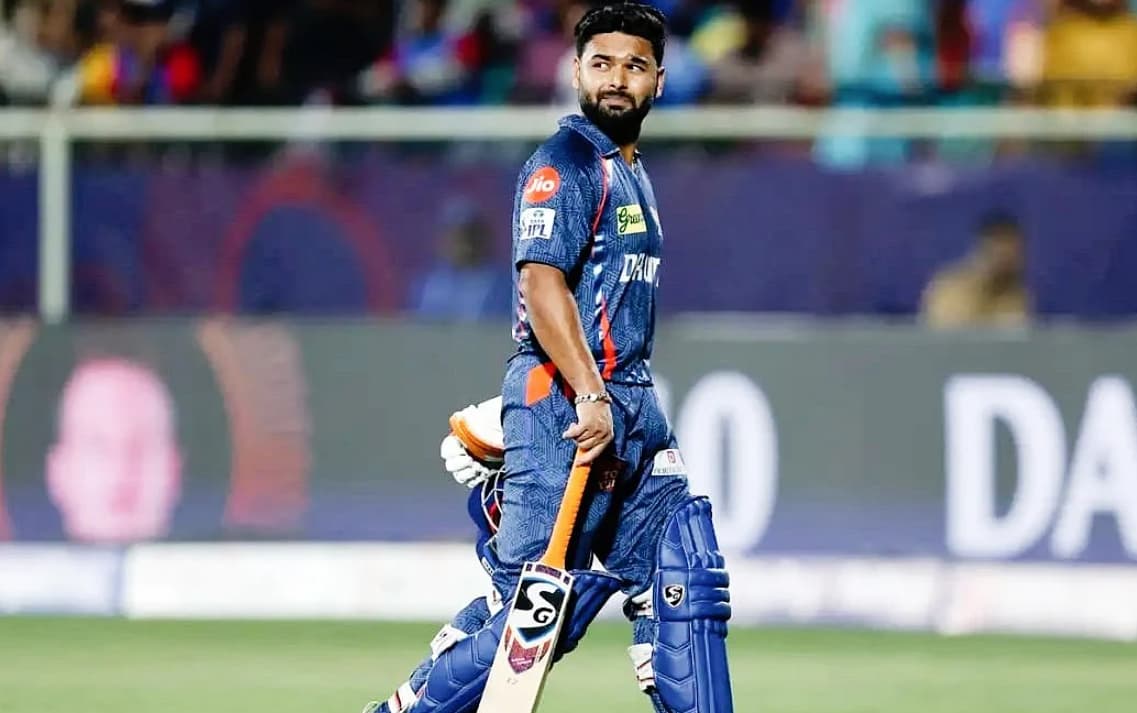
Rishabh Pant sits at number one with ₹27 crore from Lucknow Super Giants.
LSG retained him as their captain and primary wicketkeeper. His left-handed batting adds balance to any lineup facing quality leg-spinners.
Shreyas Iyer earned ₹26.75 crore from the Punjab Kings after leading them to the playoffs.
PBKS ended a decade-long drought under his captaincy last season. That success made his retention inevitable at premium rates.
Cameron Green went for ₹25.20 crore to the Kolkata Knight Riders in the auction.
He became the most expensive auction purchase ever. KKR needed his batting firepower and ability to bowl genuine pace when required.
Heinrich Klaasen commanded ₹23 crore from Sunrisers Hyderabad. His explosive hitting in 2025 changed matches singlehandedly.
SRH won’t risk losing him to rival bidders after watching him demolish bowling attacks.
Virat Kohli stays with Royal Challengers Bangalore at ₹21 crore. He’s not captain anymore, but remains their highest-paid player.
RCB knows its presence drives both performance and revenue streams.
The ₹18 crore tier holds five players with specialized excellence. Sanju Samson joined the Chennai Super Kings through a trade deal.
Rashid Khan stayed with the Gujarat Titans for his match-winning spin. Jasprit Bumrah continues at the Mumbai Indians as their death-bowling specialist.
Arshdeep Singh remained with the Punjab Kings for his powerplay and death-over skills. Matheesha Pathirana joined Kolkata Knight Riders as their mystery pace option.
| Player | Team | Contract Type | Amount (₹ Crore) |
|---|---|---|---|
| Rishabh Pant | Lucknow Super Giants | Retention | 27.00 |
| Shreyas Iyer | Punjab Kings | Retention | 26.75 |
| Cameron Green | Kolkata Knight Riders | Auction | 25.20 |
| Heinrich Klaasen | Sunrisers Hyderabad | Retention | 23.00 |
| Virat Kohli | Royal Challengers Bangalore | Retention | 21.00 |
| Sanju Samson | Chennai Super Kings | Trade | 18.00 |
| Rashid Khan | Gujarat Titans | Retention | 18.00 |
| Jasprit Bumrah | Mumbai Indians | Retention | 18.00 |
| Arshdeep Singh | Punjab Kings | Retention | 18.00 |
| Matheesha Pathirana | Kolkata Knight Riders | Auction | 18.00 |
Highest Paid IPL Players 2026 Team Spending Strategies
Each franchise approaches player investment differently. Some concentrate money on two or three superstars.
Others spread budgets more evenly across squad depth. Both strategies work when executed properly.
Mumbai Indians kept their proven core together. Bumrah (₹18 crore) and Hardik Pandya (₹16.35 crore) anchor their bowling and all-round departments.
MI doesn’t rebuild unnecessarily when its existing structure wins championships.
Punjab Kings made bold moves with ₹44.75 crore invested in just Shreyas and Arshdeep.
That’s aggressive spending on a captain and strike bowler. PBKS backed their playoff run with a serious financial commitment to key performers.
Kolkata Knight Riders spent ₹43.20 crore on Green and Pathirana, two overseas slots filled with premium talent.
KKR chose quality over quantity, trusting these stars to carry significant match responsibility.
Chennai Super Kings executed a smart trade. Getting Samson at ₹18 crore without auction bidding saved them considerable purse flexibility.
CSK understands market dynamics better than newer franchises.
Why Wicketkeeper-Batters Command Top Money?
Three of the top six earners are wicketkeeper-batters. Pant, Klaasen, and Samson all combine keeping skills with aggressive batting.
That dual value pushes their market rates significantly higher.
Teams need wicketkeepers who don’t just stand behind stumps. They want batters who can open, finish, or anchor based on match situations.
Finding someone who does both exceptionally well creates bidding wars.
Pant at ₹27 crore shows the ceiling for this skill combination. He keeps cleanly, bats aggressively anywhere in the order, and captains effectively.
LSG couldn’t replace those qualities with two separate players.
The position demands physical stamina and mental sharpness simultaneously. Keeping for 20 overs in the heat takes serious fitness.
Then, walking out to bat under pressure requires a completely different focus. Players managing both earn accordingly.
IPL 2026 All Team Players List With Price Reveals Priorities
Royal Challengers Bangalore invested everything in Kohli’s continuation.
At ₹21 crore, he represents both on-field performance and off-field brand value.
RCB understands his contribution extends beyond batting averages.
Sunrisers Hyderabad secured Klaasen after his 2025 heroics.
His ability to score 40 runs in the final three overs changed impossible chases into comfortable wins.
SRH remembers matches lost because they released similar players earlier.
Gujarat Titans retained Rashid Khan, knowing his leg-spin controls the middle overs better than anyone.
Batters struggle reading his googlies even after facing him repeatedly. GT can’t replicate that wicket-taking and economy combination elsewhere.
Delhi Capitals made Axar Patel their most expensive player at ₹16.50 crore. DC prioritizes Indian all-rounders over overseas superstars.
Their strategy builds around players familiar with home conditions and tournament pressure.
Lucknow Super Giants put all eggs in Pant’s basket. His ₹27 crore contract makes him captain, keeper, and batting lynchpin simultaneously.
LSG needs his leadership as much as his runs.
Constructing the Highest Paid XI of IPL 2026
The eleven biggest contracts form a surprisingly balanced team. You get openers, middle-order hitters, finishers, all-rounders, spinners, and pace bowlers. Whether they’d gel together is a different matter entirely.
- Opening Combination: Virat Kohli and Sanju Samson provide experience and aggression upfront. Kohli builds innings methodically while Samson attacks from ball one. Their approaches complement each other against new ball bowling.
- Middle Order Backbone: Shreyas Iyer slots in at number three, where he thrives. Cameron Green follows with his power-hitting and boundary-clearing ability. Both handle spin confidently and accelerate when needed.
- Explosive Finishers: Rishabh Pant at five and Heinrich Klaasen at six bring a left-right combination. Both teams consistently maintained clear boundaries in the final overs. Their strike rates above 140 make them perfect for chasing or setting big totals.
- All-Round Depth: Hardik Pandya and Axar Patel round out the batting at seven and eight. Both bowl their full quotas while providing late hitting. The team gets five bowling options without weakening lower-order batting.
- Bowling Attack: Rashid Khan delivers economical middle overs with a wicket-taking threat. Jasprit Bumrah executes death bowling with yorkers and slower balls. Arshdeep Singh handles powerplay swing and death-over pressure. Matheesha Pathirana adds mystery pace as an impact player option.
This playing eleven costs ₹244.80 crore combined. That’s more than two complete squads at full salary cap. The lineup balances beautifully but assumes everyone performs simultaneously at peak levels.
Expert Insight: Reading Between Salary Lines
High salaries reflect expected value, not guaranteed returns. Franchises pay for past performance, current form, and future potential combined.
A specialist death bowler earns more than average players because quality options are scarce.
The ₹18 crore bracket represents market consensus.
Samson, Rashid, Bumrah, Arshdeep, and Pathirana all deliver specialized excellence without captaincy premiums.
Teams know exactly what production they’re buying at this price point.
Retention deals typically exceed auction values. Teams pay extra to avoid bidding wars and maintain squad chemistry.
Pant’s ₹27 crore retention wouldn’t happen in an open auction, but LSG valued certainty over cost savings.
Younger cricketers with potential earn moderate contracts. Franchises reduce risk through lower guarantees on unproven talent.
The serious money flows only after players establish multi-season track records.
Captaincy Premium in Player Valuations
Shreyas Iyer, Axar Patel, and Hardik Pandya all lead their franchises.
That responsibility adds ₹2-4 crore to base salaries. Leadership ability carries monetary value in franchise cricket.
Teams need captains who read match situations, manage personalities, and execute tactics under pressure.
Those skills complement pure cricket ability. Franchises pay extra for complete packages.
Pant’s ₹27 crore includes a significant captaincy component. LSG sees him building their team culture for years ahead.
His leadership potential matters as much as his batting and keeping combined.
Understanding the Highest Paid 11 of IPL 2026 Structure
The eleven costliest players don’t automatically create the best team.
Individual salaries reflect personal worth, not combined effectiveness. Building champion teams requires chemistry beyond expensive contracts.
Pure openers barely feature in top earners. Only Kohli makes it without keeping or bowling duties.
Teams now prefer flexible batters who adjust to any position based on match requirements.
Three wicketkeeper-batters dominate the upper tier. Pant, Klaasen, and Samson all earned massive contracts.
The position’s dual demands create scarcity, driving prices upward when franchises compete.
Fast bowlers outnumber spinners significantly. Bumrah, Arshdeep, Pathirana, and Green (part-time) all bowl pace.
Only Rashid and Axar represent spin bowling. Modern T20 values pace variations over traditional spinning options.
Highest Paid IPL Players 2026 List Shows Market Evolution
The salary structure reveals cricket’s changing priorities. All-rounders and keepers command premium rates.
Specialist batters who don’t bowl earn less unless they’re proven superstars.
Death bowlers get massive contracts because quality options don’t exist everywhere.
Overseas players appear less frequently in the top earners. Green and Pathirana represent international talent in the top eleven.
Teams prefer Indian stars who don’t occupy overseas slots and understand local conditions better.
Experience dominates over youth in salary wars. Top earners average 28-30 years with established careers.
Franchises invest in proven performers when tournament stakes run high, not potential that might develop later.
The salary cap forces strategic choices. Every franchise operates under similar purse constraints.
Smart allocation separates championship teams from also-rans. Overpaying stars creates depth problems across the remaining roster spots.
FAQs
- Which player has the biggest IPL 2026 contract?
Rishabh Pant earned ₹27 crore from Lucknow Super Giants through retention. He’s both captain and wicketkeeper for LSG.
- What was the highest auction price in IPL 2026?
Cameron Green went to the Kolkata Knight Riders for ₹25.20 crore, making him the costliest auction purchase ever.
- How many players earn ₹18 crore this season?
Five players sit at the ₹18 crore level: Sanju Samson, Rashid Khan, Jasprit Bumrah, Arshdeep Singh, and Matheesha Pathirana.
- Why do teams pay extra for all-rounders?
All-rounders provide batting and bowling options, giving teams tactical flexibility. That versatility commands premium pricing in limited squad sizes.
- Is Virat Kohli still among top earners?
Yes, Kohli earns ₹21 crore from RCB despite stepping down from captaincy. His batting and brand value keep him highly paid.
Final Take
The highest paid IPL players 2026 showcase what franchises value most. Versatility beats specialist skills unless you’re exceptional.
Wicketkeeper-batters and all-rounders dominate earnings because they solve multiple problems simultaneously.
Retention strategies varied wildly between teams. Some loaded budgets on established stars, while others spread money building depth.
Neither guarantees success, but both reflect different philosophies about constructing winning teams.
Player values will shift as new talent emerges and veterans decline. Today’s expensive retentions become tomorrow’s squad filler.
That’s franchise cricket’s reality, where recent performance matters more than past achievements when contracts get negotiated.
Also Check:
About the Author