The Big Bash League 2025-26 continues tracking performance statistics across all match situations.
Not every half-century in T20 cricket follows explosive scoring patterns. Some innings require controlled accumulation based on pitch behavior and team requirements.
Match pressure creates situations where batters prioritize stability over strike rate maximization.
Wicket clusters force rebuilding phases requiring a measured approach. The slowest fifty in BBL 2025-26 reflects tactical batting under challenging circumstances.
Pitch conditions vary significantly across Australian venues during January 2026 fixtures.
Slower surfaces restrict timing and scoring opportunities, requiring adjustment in batting tempo. Strike rate reduction occurs naturally when conditions favor bowlers over batters.
Statistical documentation of slow half-centuries provides insight into match difficulty and tactical decisions.
These innings often occur during run chases requiring risk management. Context determines whether slow accumulation serves team interests or hinders total building.
Season records evolve as more matches are completed through the league phase and finals.
Current statistics reflect early-season performances with potential ranking changes.
The slowest fifty in the BBL 2025-26 category tracks balls faced rather than final scores achieved.
Slowest Fifty in BBL 2025-26
Slowest Fifty in BBL 2025-26
Slow fifties in BBL matches occur when pitch conditions restrict scoring pace or match situations demand caution.
Batters take 38 or more balls reaching the milestone when timing proves difficult. The slowest fifty in the BBL 2026 qualification requires completing a half-century under measured accumulation patterns.
Pitch behavior directly influences batting strike rates, with slower tracks limiting boundary opportunities.
Uneven bounce or turn creates survival challenges alongside scoring pressure. Surface preparation and match timing affect how freely batters can score.
Pressure situations differ from batting intent, with wicket losses forcing rebuilding requirements.
A batter entering at 3-30 faces different circumstances than joining at 0-100. Match context separates tactical caution from poor execution.
Ball-faced records matter because they quantify difficult conditions and tactical adjustments.
The slowest fifty in BBL 2025 comparisons show seasonal variations in pitch preparation. Statistical tracking helps identify pattern changes across venues and seasons.
Top 5 Slowest Fifty in BBL 2025-26 (Updated List)
| Rank | Player | Balls Taken | Runs | Team | Match Context | Notes |
|---|---|---|---|---|---|---|
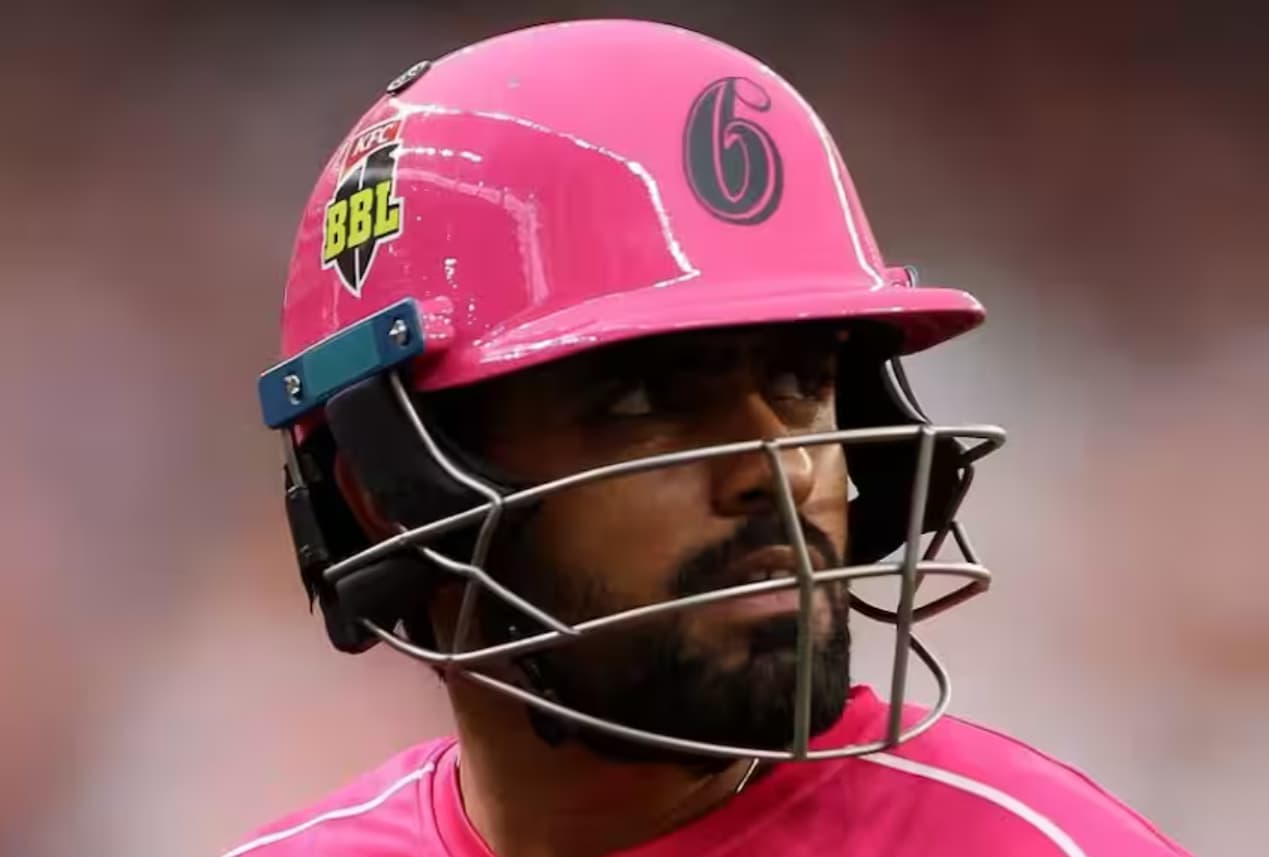
| 1 | Babar Azam | 44 | – | Sydney Sixers | League match | Difficult surface, anchor role |
| 2 | Babar Azam | 42 | 58 | Sydney Sixers | vs Sydney Thunder | First BBL fifty, match-winning |
| 3 | Cameron Bancroft | 41 | – | Sydney Thunder | League match | Challenging pitch conditions |
| 4 | Ben McDermott | 39 | – | Hobart Hurricanes | League match | Pressure situation response |
| 5 | Sam Konstas | 38 | – | Sydney Thunder | League match | Debut season performance |
FAQs
- What defines the slowest fifty in BBL?
The slowest fifty measures balls faced reaching 50 runs during BBL matches. Current season threshold sits around 38-44 balls for top five rankings. Match context determines whether slow accumulation serves a tactical purpose.
- Do slow fifties affect team totals?
Impact depends on partner strike rates and the innings phase when scored. One measured innings allows aggressive batting from the other end. Team total suffers when multiple batters adopt a slow approach simultaneously.
- Are slow fifties common in BBL?
The top 5 slowest fifty in BBL 2025-26 represent rare occurrences in a high-scoring league. Most BBL half-centuries reach the milestone under 30 balls. Difficult pitch conditions or pressure situations produce slower accumulation patterns.
- How does this compare to previous seasons?
Statistical comparison requires complete season data from multiple years. Early-season rankings may shift as more matches are completed. Venue-specific conditions create annual variation in balls-faced records.
Conclusion:
The slowest fifty in BBL 2025-26 list shows balls faced range from 38 to 44 across five recorded innings.
One player occupies the top two positions, indicating consistency under difficult batting conditions.
Statistical spread remains narrow, reflecting similar match pressure situations.
Match context provides an essential framework for evaluating slow fifty statistics in T20 cricket.
Pitch difficulty, wicket pressure, and match situation separate tactical batting from poor performance.
Numbers require contextual analysis beyond raw strike rate comparisons.
BBL 2025-26 season continues through January with remaining league fixtures and finals.
Current rankings may change as more matches are completed under varying conditions.
Final season records require playoff completion before statistical verification.
More Similar Record Guides:
About the Author