Urban cricket culture has transformed dramatically with the rise of compact, fast-paced formats designed for city environments.
The box cricket rules 2026 provide a comprehensive framework enabling cricket enthusiasts to enjoy their favorite sport without requiring traditional full-sized grounds.
Artificial turf facilities across Indian cities have created accessible playing spaces where box cricket thrives.
This modern adaptation maintains cricket’s competitive spirit while accommodating space constraints and time limitations faced by urban players.
Box Cricket Rules 2026

Understanding the complete rulebook ensures fair play, player safety, and maximum enjoyment for all participants in this rapidly growing format.
Box Cricket Rules 2026
Box cricket operates under standardized regulations, adapting traditional cricket for enclosed spaces. The format prioritizes safety, speed, and accessibility while maintaining competitive integrity.
| Category | Standard in Box Cricket |
|---|---|
| Team Size | 6–8 players |
| Pitch Length | 12–18 yards |
| Overs | 6–12 overs |
| Ball Type | Tennis or Soft Ball |
| Bowling Style | Mostly Underarm |
What is Box Cricket?
Box cricket represents a compact variation of traditional cricket designed for smaller enclosed playing areas.
The Box Cricket Rules maintain cricket’s fundamental principles while adapting gameplay for urban turf facilities.
Matches typically conclude within 60-90 minutes, making the format ideal for busy schedules.
Teams consist of 6-8 players, ensuring everyone receives substantial batting, bowling, and fielding opportunities.
Modified scoring systems account for space limitations, with runs awarded for hitting nets and walls.
Tennis balls replace leather cricket balls, ensuring player safety in confined spaces.
Traditional Cricket vs Box Cricket
Box cricket modifies traditional cricket’s structure to accommodate enclosed spaces and shorter match durations. The comparison highlights how box cricket maintains cricket’s essence while adapting to urban environments.
| Feature | Box Cricket | Traditional Cricket |
|---|---|---|
| Ground Size | Small Enclosed Turf | Full Open Field |
| Players | 6–8 | 11 |
| Pitch | 12–18 yards | 22 yards |
| Match Duration | 60–90 minutes | 3 hours to 5 days |
| Ball | Tennis Ball | Leather Ball |
Why Suddenly Box Cricket Become Popular?
Rapid urbanization across India created demand for space-efficient cricket formats playable in city centers. The scarcity of traditional cricket grounds made box cricket a practical solution for urban cricket enthusiasts.
Artificial turf facilities proliferated throughout metropolitan areas, enabling box cricket’s explosive growth. These venues provide consistent playing surfaces and convenient locations accessible to urban populations.
Corporate leagues and weekend tournaments transformed box cricket into an organized competitive sport. Companies sponsor employee teams, fostering workplace camaraderie through regular competitions and inter-office leagues.
The box cricket rules in India standardized gameplay across venues, enabling players to compete anywhere without learning entirely new regulations. Social cricket culture embraced the format as ideal for friend groups seeking active entertainment.
Box Cricket Format, Scoring and Gameplay Rules
- Team Size Structure: Teams consist of 6-8 players with all members except the designated bowler and wicketkeeper eligible for flexible fielding positions throughout matches.
- Limited Overs Format: Each team plays one innings of 6-12 overs depending on venue regulations. The box cricket rules pdf available from turf facilities specifies exact over counts for their matches.
- Running Between Wickets: Batsmen score runs by completing runs between wickets while the ball remains in play with each completed run adding one point.
- Net Boundary Runs: Direct hits on side or back nets award four runs automatically. The Turf Cricket Rules pdf from individual venues specifies exact boundary demarcations and scoring values.
- Why Underarm is Preferred: The underarm box cricket rules ensure player safety in enclosed spaces where rapid reflexes are required for both batsmen and fielders.
- Ball Must Bounce Rule: Most venues require bowlers to deliver balls that bounce before reaching batsmen with full-toss deliveries above waist height called no-balls.
- Delivery Restrictions: The box cricket rules for bowling prohibit excessive pace and mandate smooth underarm delivery motions below waist level throughout matches.
- Bowled: The batsman is dismissed when a delivered ball hits the stumps and dislodges a bail regardless of prior bat or body contact.
- Caught: Fielders catching the ball inside boundaries without bouncing after bat contact dismiss batsmen caught out.
- Run Out: The fielding team dismisses batsmen by removing bails with the ball while batsmen remain outside the crease during run attempts.
- Twice Out Rule: Many venues implement rules where batsmen continue batting after dismissals but lose three runs each time. The underarm cricket rules pdf specifies whether this applies.
- No Ball Rule: The box cricket rules for no ball typically apply to full-toss deliveries above waist height awarding one extra run plus free hit opportunities.
- Box cricket Fielding position: Fielders position themselves anywhere within enclosed areas except directly in front of the batting crease maintaining safe distances preventing collisions.
Box Cricket Regulations
Box cricket venues feature enclosed rectangular or square playing areas with pitch lengths ranging from 12 to 18 yards.
Artificial turf surfaces provide consistent bounce and faster gameplay compared to natural grass.
Standard equipment includes tennis balls or soft cricket balls, ensuring player safety.
Players use regulation cricket bats, though some venues restrict bat sizes, maintaining competitive balance.
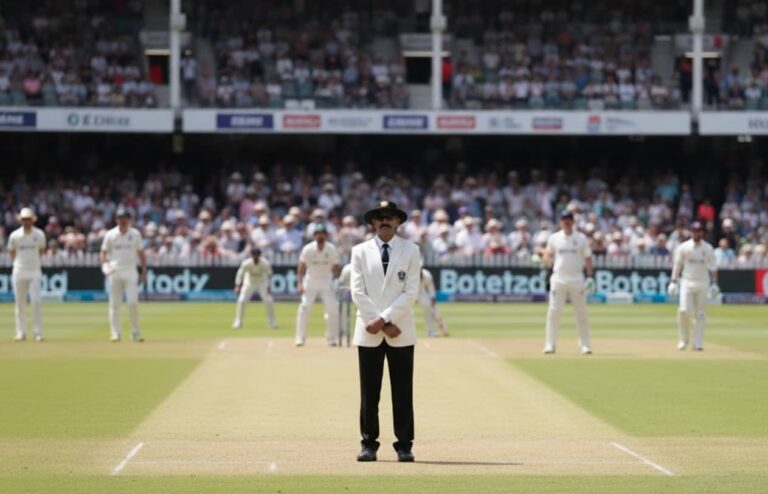
Umpires make on-field decisions regarding dismissals, extras, and boundaries while referees handle disputes and maintain overall match integrity throughout tournaments.
Useful Tips for Playing Box Cricket
- Control Over Power: Focus on placement and timing rather than attempting maximum power shots in confined spaces for more consistent scoring opportunities.
- Length Variation: Mixing delivery lengths confuses batsmen, preventing them from settling into comfortable batting rhythms and creating dismissal opportunities.
- Quick Reflex Drills: Regular reflex training improves reaction times crucial for close-quarters fielding, where quick reactions make the difference between saves and boundaries.
FAQs:
- 1. What are the Box Cricket rules?
Box cricket adapts traditional cricket rules for smaller enclosed spaces using underarm bowling, limited overs, and tennis balls. Scoring includes running between wickets plus boundary runs from hitting nets or walls.
- 2. How many players are in a box cricket team?
Box cricket teams consist of 6-8 players compared to traditional cricket’s 11 players, ensuring faster gameplay and maximum participation for all players.
- 3. Which ball is used in box cricket?
Box cricket uses tennis balls or soft cricket balls, ensuring player safety in enclosed spaces while maintaining playability in confined areas.
Conclusion:
The box cricket rules 2026 provide a comprehensive framework enabling cricket enjoyment in urban environments without requiring full-sized grounds.
This compact format delivers cricket’s excitement through faster gameplay and adapted regulations.
- Short format: Matches conclude within 60-90 minutes fitting busy schedules
- Smaller ground: Enclosed turfs eliminate traditional ground requirements
- Underarm bowling: Safety-focused delivery style perfect for confined spaces
- Fast gameplay: Limited overs ensure continuous action
- Ideal for urban players: Accessible cricket requiring minimal space
Also Check:
About the Author