Karan
Karan The ICC Men’s T20 World Cup 2026 operates across a multi-phase structure involving 20 teams, 55 matches, and two host nations.
The tournament’s complexity requires detailed scheduling coordination to balance competitive fairness with logistical feasibility across multiple venues.
This guide explains how the ICC T20 World Cup 2026 schedule is organized, how teams advance through each phase, and how the competition flows from group stages to knockout rounds.
The breakdown focuses on tournament mechanics rather than individual match outcomes.
ICC T20 World Cup 2026 Schedule
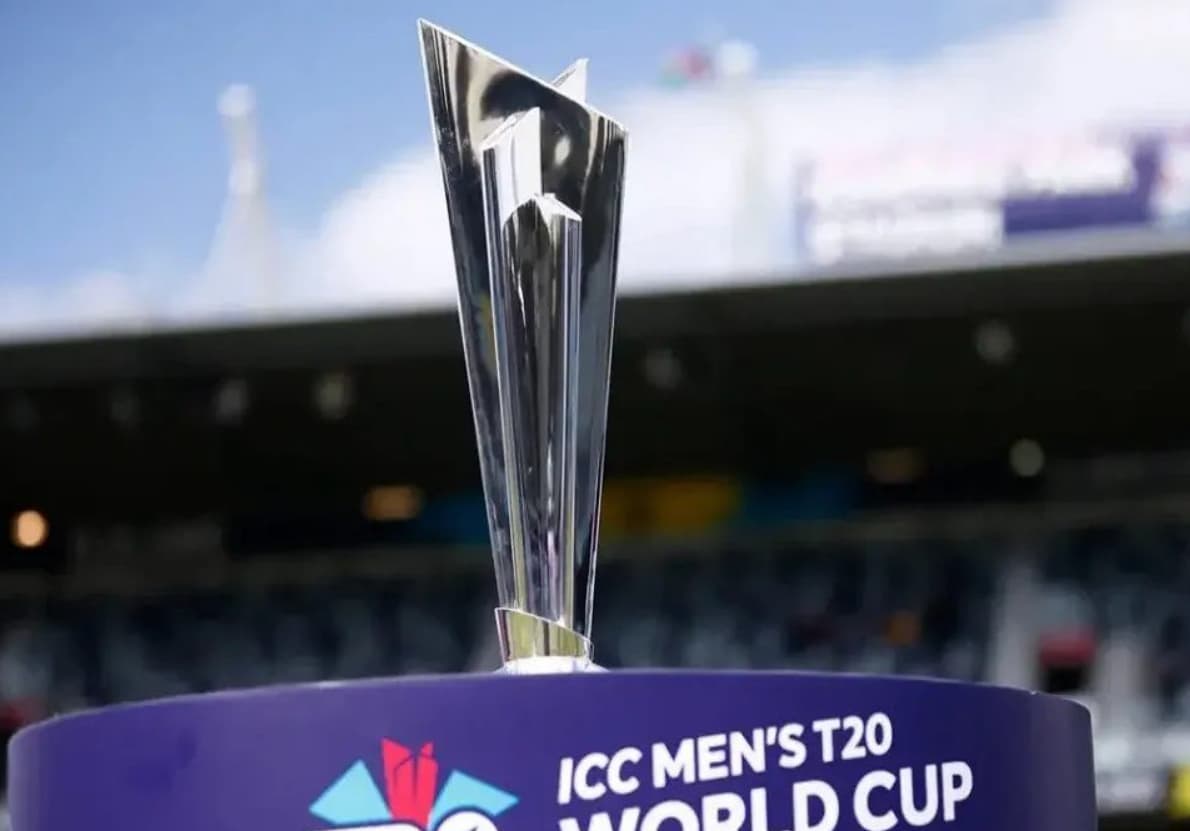
Understanding the structural framework helps readers navigate the month-long event without requiring match-by-match tracking.
ICC T20 World Cup 2026 Overview
India and Sri Lanka share hosting responsibilities due to infrastructure requirements and geographic balance.
The tournament spans 30 days from February 7 to March 8, requiring coordination across seven venues between both nations.
The expansion to 20 teams represents a format shift from previous editions.
Four groups of five teams each replace the traditional structure, extending the group phase and adding complexity to advancement calculations.
This change impacts scheduling density and venue allocation across both host countries.
| Aspect | Details |
|---|---|
| Tournament Edition | 10th |
| Dates | February 7 – March 8 |
| Host Countries | India, Sri Lanka |
| Total Teams | 20 |
| Groups | 4 groups |
| Match Format | T20 |
| Total Matches | 55 |
ICC T20 World Cup 2026 Schedule – Final Fixture After Scotland Replaces Bangladesh
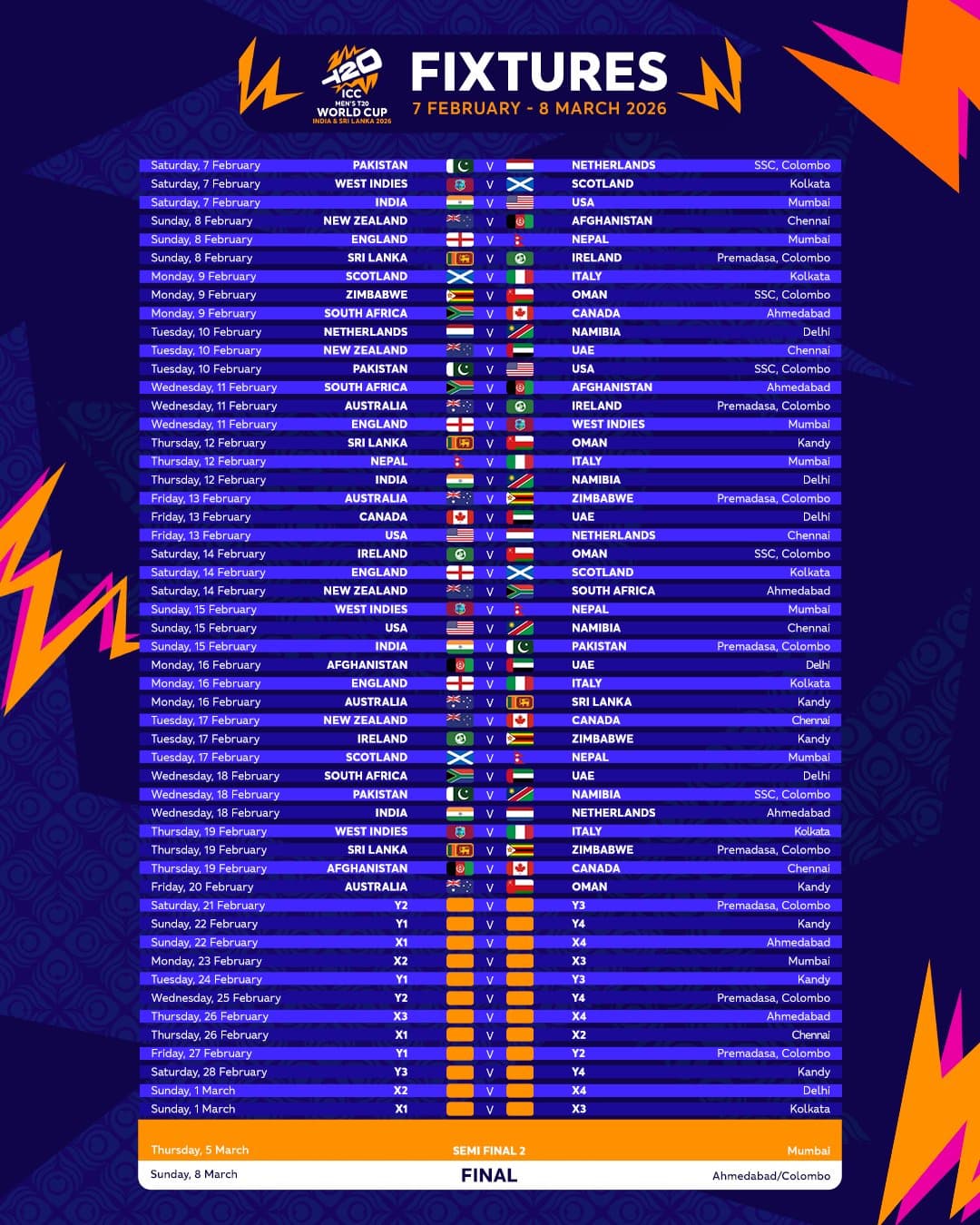
ICC T20 World Cup 2026 Schedule Structure
The tournament is divided into three distinct phases: group stage, Super 8, and knockout rounds.
Each phase operates on different qualification and elimination mechanics, requiring separate scheduling approaches.
Daily match windows are set at 11:00 AM, 3:00 PM, and 7:00 PM local time.
This three-slot system maintains consistent spacing between matches while accommodating broadcast needs across time zones.
The ICC T20 World Cup 2026 schedule allocates matches to ensure teams receive adequate rest between fixtures.
Venue distribution balances crowd accessibility with operational capacity.
Indian stadiums handle higher-volume group matches while Sri Lankan venues manage both group and knockout fixtures based on logistical considerations.
League Phase Organization
- Group Match Distribution: Each of the four groups plays a complete round-robin format. Teams face all four opponents within their group, generating 40 total group-stage matches. Three matches run daily across both host nations through February 20.
- Super 8 Transition Logic: Top two teams from each group advance to the Super 8 phase, forming two new groups (X and Y). Eight qualified teams play six additional matches each between February 21 and March 1, with group winners and runners-up advancing to semi-finals.
- Final Stage Progression: Semi-finals reduce the field to two teams competing in the March 8 final. Knockout placement follows standard elimination rules with no third-place playoff. Venue assignments for semi-finals and finals are predetermined but accommodate logistical contingencies.
Schedule Reference:
| Date | Match | Teams | Venue | Time |
|---|---|---|---|---|
| February 7 | Match 1 | Pakistan vs Netherlands | Sinhalese Sports Club, Colombo | 11:00 AM |
| February 15 | Match 27 | India vs Pakistan | R. Premadasa Stadium, Colombo | 7:00 PM |
| February 21 | Match 41 | Super 8 (Y2 vs Y3) | R. Premadasa Stadium, Colombo | 7:00 PM |
| March 4 | Semi-Final 1 | TBC | Eden Gardens, Kolkata/ R. Premadasa Stadium | 7:00 PM |
| March 8 | Final | TBC | Narendra Modi Stadium/ R. Premadasa Stadium | 7:00 PM |
The ICC T20 World Cup 2026 Fixtures maintain consistent formatting across all 55 matches, with standardized time slots and venue protocols throughout each phase.
Teams Qualified for the ICC T20 World Cup 2026
Twenty teams secured qualification through six distinct pathways reflecting global cricket structure.
Italy achieved its first-time qualification through Europe regional qualifiers, while Scotland replaced Bangladesh in Group C following a security-related withdrawal.
| Qualification Route | Teams |
|---|---|
| Hosts | India, Sri Lanka |
| Top Finishers (2024) | Afghanistan, Australia, England, South Africa, USA, West Indies |
| ICC Rankings | New Zealand, Pakistan, Ireland, Scotland |
| Europe Qualifier | Italy, Netherlands |
| Americas Qualifier | Canada |
| Africa Qualifier | Namibia, Zimbabwe |
| Asia/EAP Qualifier | Nepal, Oman, UAE |
Continental representation includes teams from Europe, Asia, Africa, the Americas, and Oceania.
This distribution reflects ICC’s development priorities across Associate and Full Member boards, ensuring geographic diversity beyond traditional cricket strongholds.
Competitive balance varies across qualification routes. Seven teams from the 2024 edition entered based on tournament performance, while four secured spots through ICC T20I rankings.
Regional qualifiers provided pathways for emerging nations without guaranteed ranking positions.
Conclusion:
The ICC T20 World Cup 2026 schedule operates across three competitive phases over 30 days.
Scheduling coordination addresses team rest requirements, venue capacity constraints, and broadcast distribution across multiple time zones and host regions.
The 20-team format extends tournament duration compared to previous editions while maintaining competitive intensity through structured advancement rules.
Group phase mechanics and Super 8 progression create clear qualification pathways without eliminating teams prematurely.
- Tournament Timeline: February 7 opening match through March 8 final, spanning four weeks with matches scheduled daily across group and knockout phases.
- Match Distribution: Fifty-five total matches divided into 40 group-stage fixtures, 12 Super 8 matches, two semi-finals, and one final across both host nations.
- Host Arrangement: India provides five venues while Sri Lanka operates three stadiums, balancing infrastructure capacity with geographic accessibility for participating teams.
- New Entrants: Italy’s qualification marks its first European debut outside established Full Member nations, expanding tournament representation beyond traditional cricket regions.
Also Check:
- Canada Cricket Squad for ICC Men’s T20 World Cup 2026
- New Zealand Squad for T20 World Cup 2026
- England Squad for T20 World Cup 2026
- India’s squad for ICC Men’s T20 World Cup 2026
- ICC T20 World Cup 2026 Tickets
About the Author