Karan
Karan IPL income earned by Indian players is taxable under the Income Tax Act, 1961.
All resident players must comply with Indian tax laws for cricket and commercial earnings.
Tax liability applies regardless of where IPL matches are played.
Indian players have a legal responsibility to report all IPL-related income.
This includes salaries, bonuses, endorsements, and prize money received during the season.
Failure to comply results in penalties and interest charges under tax laws.
Franchises and BCCI deduct TDS before releasing payments to players.
These entities must issue TDS certificates and deposit taxes with the authorities.
Players use these certificates to claim a tax credit during ITR filing.
Record-keeping is mandatory for all income documentation and tax compliance.
Players must maintain contracts, payment records, TDS certificates, and expense proofs.
Proper documentation supports tax return filing and audit requirements if applicable.
Post-auction tax planning becomes necessary after high-value contracts are signed.
Players must calculate tax liability, plan advance tax payments, and ensure timely compliance.
Indian IPL Player Salary Tax Rules Explained 2026
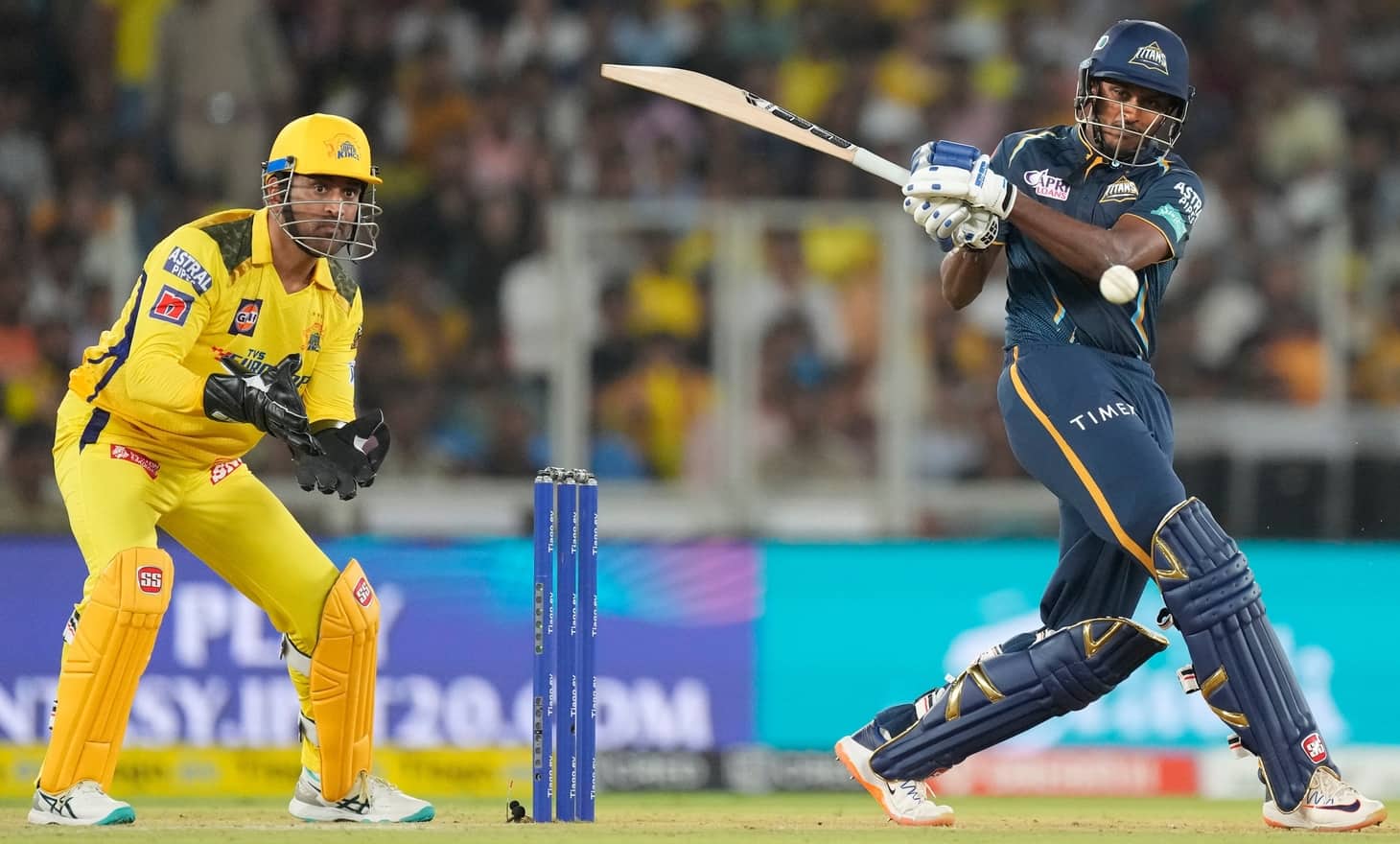
Understanding gross versus net income helps manage financial obligations correctly.
Types of Income Earned by IPL Players
| Income Type | Description | Tax Nature |
|---|---|---|
| Base Salary / Auction Fee | Contract amount paid by franchise for player services | Professional/business income |
| Match Fees | Per-match participation payment | Playing income |
| Prize Money | Tournament trophies, Man of the Match awards | Award income |
| Performance Bonuses | Orange Cap, Purple Cap, milestone achievements | Incentive income |
| Advertisement & Endorsements | Brand contracts, promotions, and commercial activities | Commercial income |
Playing income includes direct cricket-related earnings like salaries and match fees.
Commercial income covers brand endorsements and promotional activities outside matches.
Different documentation requirements apply based on income classification under tax provisions.
Proper categorization determines applicable tax head and deduction eligibility.
Players must maintain separate records for each income type.
This classification affects TDS rates, advance tax computation, and final tax liability.
How is the Income of IPL Players Taxed in India?
Indian players are classified as residents under the Income Tax Act.
Resident status makes all worldwide income taxable in India.
Players must report global earnings, including foreign endorsements and overseas match fees.
IPL income is taxed under “Profits and Gains of Business or Profession” for professional cricketers.
Some income may fall under “Income from Other Sources” depending on regularity. The applicable head determines deduction eligibility for expenses incurred.
TDS is deducted under Section 194J at 10% on professional fees. Franchises and BCCI must deduct this tax before crediting payments.
TDS applies to salaries, endorsements, and performance-based payments made to players.
Final tax adjustment occurs when filing the annual income tax return. Players calculate total tax liability on combined income from all sources.
TDS credit claimed reduces the final tax payable or results in a refund.
| Income Category | Tax Head | TDS Section |
|---|---|---|
| Playing Income | Business and Profession | Section 194J (10%) |
| Endorsements | Business and Profession | Section 194J (10%) |
| Prize Money | Other Sources | Section 194J (10%) |
Tax Compliances
- PAN is mandatory for all tax-related transactions and ITR filing
- Form 26AS must be verified to confirm the TDS credit reflection
- Advance tax must be paid in four quarterly installments if the liability exceeds ₹10,000
- ITR filing under Section 139(1) is mandatory by July 31st for resident taxpayers
- Tax audit under Section 44AB applies if business income exceeds the prescribed limits
What is the Takeaway Salary of IPL Players?
Gross contract value differs significantly from net take-home amount after tax. Players receive installment payments after TDS deduction at source. Final net income depends on the total tax liability calculated during ITR filing.
Income tax slab rates apply based on total taxable income. Surcharge of 10%, 15%, 25%, or 37% applies depending on income levels. Health and Education Cess of 4% is charged on income tax plus surcharge.
Multi-year contracts spread payments across multiple financial years. Each year’s income is taxed separately based on that year’s receipts. Players must report income in the correct assessment year for compliance.
Installment payments require proper tracking across financial years. Players must account for TDS deducted on each installment separately. Accurate reporting ensures a correct tax credit claim and avoids notice from authorities.
| Particulars | Amount (₹) |
|---|---|
| Gross Contract | 27,00,00,000 |
| Total Tax | 8,10,00,000 |
| Net Takeaway | 18,90,00,000 |
Taxation of Minor Cricketer Vaibhav Suryavanshi’s IPL Earnings
Earned income is generated from personal skills and efforts. IPL earnings from cricket qualify as earned income for tax purposes. Minor’s earned income follows different clubbing rules under the Income Tax Act.
Section 64(1A) does not club earned income with parents’ income. IPL salary is taxed in the minor’s own name as a separate taxpayer. This applies only to income from skills, not passive investment income.
ITR filing is mandatory in the minor’s name with a PAN issued. Guardian acts as the representative assessee for all tax compliance activities. Returns must be filed within the prescribed deadlines, like adult taxpayers.
Guardian’s role includes maintaining records, filing returns, and paying advance tax. All tax notices and communications are addressed through the guardian. Compliance responsibility rests with the guardian until the minor attains majority.
| Aspect | Treatment |
|---|---|
| Nature of Income | Earned income from personal cricketing skills |
| Clubbing Rule | Not clubbed with parents’ income under Section 64(1A) |
| ITR Filing | Mandatory in the minor’s name, guardian as the representative assessee |
| Exemption | Section 10(32) exemption only for unearned income up to ₹1,500 |
Calculation of Tax Liability of IPL Taxpayers
| Income Head | Amount (₹) |
|---|---|
| IPL Salary | 15,00,00,000 |
| Bonuses | 30,00,000 |
| Endorsements | 5,00,00,000 |
| Other Income | 2,11,00,000 |
| Total Income | 22,41,00,000 |
| Component | Amount (₹) |
|---|---|
| Income Tax | 6,25,42,500 |
| Surcharge | 2,31,40,725 |
| Cess | 34,27,329 |
| Total Tax | 8,91,10,554 |
High-income surcharge rates significantly increase the effective tax burden. Surcharge of 37% applies on income exceeding ₹5 crore for individuals. This surcharge is calculated on income tax before adding cess.
The effective tax rate combines the basic slab rate, surcharge, and cess percentages. In this example, the effective rate reaches 42.62% of taxable income. Players must calculate effective rates for accurate net salary estimation.
FAQs
- Q: Are Indian IPL players required to file ITR?
Yes, all resident players must file ITR under Section 139(1). Filing is mandatory regardless of TDS deduction from payments.
- Q: Is TDS deducted final tax liability?
No, TDS is an advance tax only. Final liability is computed when filing returns based on total income.
- Q: Are professional expenses deductible from IPL income?
Yes, legitimate business expenses can be claimed if the income is under the business head. Proper documentation and bills must be maintained.
- Q: What is the deadline for advance tax payment?
Advance tax must be paid in four installments: 15% by June 15, 45% by September 15, 75% by December 15, and 100% by March 15.
- Q: Does a tax audit apply to IPL players?
Tax audit under Section 44AB applies if the total business income exceeds the prescribed limits. Currently, an audit is required if turnover exceeds specified thresholds.
- Q: Can injured players claim tax relief on unpaid salary?
Tax is payable on income received, not entitled. If salary is not paid due to injury, no tax liability arises until payment.
Conclusion:
Tax compliance for Indian IPL players requires understanding multiple legal provisions.
All income earned must be properly classified and reported under the correct heads. Resident players remain subject to Indian tax laws for worldwide income.
Income classification determines applicable tax rates and deduction eligibility.
Playing income and commercial income may have different documentation requirements. Proper classification ensures accurate tax computation and compliance.
Net salary calculation requires accounting for income tax, surcharge, and cess deductions.
Players must understand the difference between gross contract value and actual receipts. Effective tax rates vary based on total income levels and applicable surcharges.
Filing responsibilities include PAN registration, TDS verification, advance tax payment, and timely ITR submission.
Players must maintain complete records of all income and deductions. Non-compliance results in penalties, interest, and potential legal consequences under tax laws.
Sources:
- Income Tax Act, 1961
- Section 194J – TDS on professional fees
- Section 64(1A) – Income of minor child
- Section 139(1) – Mandatory ITR filing
Related Guides:
- Most Expensive Player in IPL 2026
- Richest Cricketer in the World
- How Income Tax Applies to Cricket Players in India
- ICC Cricket Umpire Salary
- Highest Paid Cricket Coaches in the World
- Indian Cricket Players Salaries 2026
About the Author