Karan
Karan Cricket overs extend beyond six legal deliveries when bowlers send down wides and no-balls.
Each illegal delivery requires re-bowling, which creates extended over sequences. These extras add runs and change the match momentum.
Different match formats show different patterns in bowling discipline.
Test cricket emphasizes accuracy, while limited-overs formats create pressure that leads to control issues.
Records track these overs to document unusual bowling performances.
The longest over in cricket history contains 22 deliveries, with other long overs ranging from 13 to 18 balls.
These records span first-class, List A, ODI, Test, and T20 formats across multiple decades.
Longest Over in Cricket History 2026
Top 9 Longest Overs In Cricket History
| Rank | Bowler | Balls | Format | Year | Competition |
|---|---|---|---|---|---|
| 1 | Bert Vance (NZ) | 22 | First-Class | 1990 | Shell Trophy Final |
| 2 | John Hastings (Aus) | 18 | T20 | 2025 | World Championship of Legends |
| 3 | Mohammad Sami (Pak) | 17 | ODI | 2001 | ODI vs New Zealand |
| 4 | Curtly Ambrose (WI) | 15 | Test | 1997 | Test vs Australia |
| 5 | Daryl Tuffey (NZ) | 14 | ODI | 2005 | ODI vs Australia |
| 6 | Scott Boswell (Eng) | 14 | List A | 2001 | C&G Trophy Final |
| 7 | Naveen-ul-Haq (Afg) | 13 | T20I | 2024 | T20I vs Zimbabwe |
| 8 | Tinashe Panyangara (Zim) | 13 | ODI | 2004 | Champions Trophy |
| 9 | Arshdeep Singh (Ind) | 13 | T20I | 2025 | T20I vs South Africa |
Longest Overs by Match Format
Test / First-Class
| Bowler | Balls | Year | Match |
|---|---|---|---|
| Bert Vance (NZ) | 22 | 1990 | Shell Trophy Final |
| Curtly Ambrose (WI) | 15 | 1997 | Test vs Australia |
Test cricket prioritizes accuracy over aggression, which means long overs occur less frequently than in limited-overs formats.
Bowlers focus on consistency and building pressure rather than attempting variations that can lead to wides. The longest over in cricket history came from first-class cricket during a tactical situation.
Front-foot no-balls create the most extended overs in Test matches. Over-rate penalties affect teams differently in multi-day cricket, but individual bowlers still lose control under specific conditions.
First-class records include both international Tests and domestic competitions.
ODI / List-A
| Bowler | Balls | Year | Match |
|---|---|---|---|
| Mohammad Sami (Pak) | 17 | 2001 | ODI vs New Zealand |
| Daryl Tuffey (NZ) | 14 | 2005 | ODI vs Australia |
| Scott Boswell (Eng) | 14 | 2001 | C&G Trophy Final |
| Tinashe Panyangara (Zim) | 13 | 2004 | Champions Trophy |
ODI cricket shows the highest frequency of long overs in the top 10 longest overs in cricket history.
The format balances between defensive and attacking bowling, which creates situations where bowlers attempt aggressive lines and lose control.
Death overs in particular see more wides as bowlers aim outside off-stump.
The longest over in ODI cricket history contains 17 balls, with Mohammad Sami’s 2001 over setting this record.
List A competitions follow similar patterns to ODIs, with domestic finals producing extended overs under pressure.
Wides outnumber no-balls in most ODI long overs due to line variations.
T20 / T20I
| Bowler | Balls | Year | Match |
|---|---|---|---|
| John Hastings (Aus) | 18 | 2025 | World Championship of Legends |
| Naveen-ul-Haq (Afg) | 13 | 2024 | T20I vs Zimbabwe |
| Arshdeep Singh (Ind) | 13 | 2025 | T20I vs South Africa |
T20 cricket produces fewer extended overs than ODIs but still records significant entries.
The longest over in T20 cricket came from John Hastings with 18 deliveries in a 2025 legends match.
Wide deliveries dominate T20 long overs as bowlers execute wide yorker strategies and variations.
The longest over in T20 international cricket by full-member nations stands at 13 balls, shared by Naveen-ul-Haq and Arshdeep Singh.
The longest over in T20 cricket history overall is Hastings’ 18-ball sequence.
Death-over pressure creates most control issues in this format, where a single over can decide match outcomes.
All 9 Longest Overs In Cricket History
1. Bert Vance: 22-ball Over
Bert Vance bowled 22 deliveries in the 1990 Shell Trophy Final between Wellington and Canterbury. The over contained 17 no-balls and five legal deliveries. This first-class match occurred on the final day when Wellington needed a result to win the trophy.
The no-balls came from deliberate tactics rather than control loss. Wellington bowled illegally to force Canterbury into a chase situation and avoid a drawn match. This represents the highest no ball in one over in international cricket context, though it occurred in domestic first-class competition.
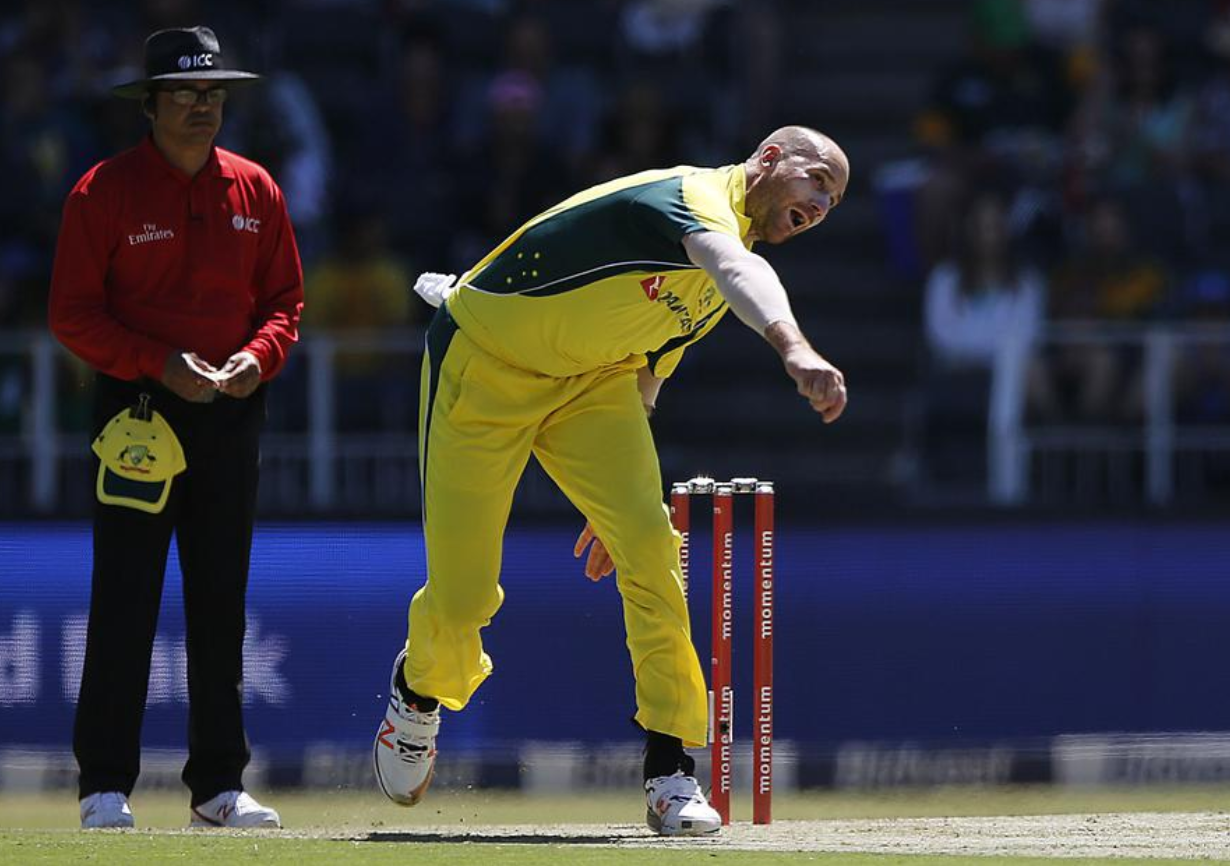
2. John Hastings: 18-ball Over
John Hastings sent down 18 balls in a 2025 World Championship of Legends T20 match against Pakistan. The over included 12 wides and one no-ball. These extras gave Pakistan 22 runs when they needed only 20 more to win.
Hastings’ sequence represents the most wides in an over in international cricket by total count. The match ended during this over with Pakistan winning by 10 wickets. This T20 format over shows how pressure affects bowling discipline in short-format cricket.
3. Mohammad Sami: 17-ball Over
Mohammad Sami bowled 17 deliveries in a 2001 ODI against New Zealand. The over contained four no-balls and seven wides. The extras added 22 runs to New Zealand’s total in a single over.
Sami struggled with line and length throughout this sequence. Pakistan still won the match despite the extension. The 17-ball count remains the ODI record for longest delivery sequence.
4. Curtly Ambrose: 15-ball Over
Curtly Ambrose delivered 15 balls in a 1997 Test match against Australia at WACA. The over included nine no-balls from front-foot violations. The extras contributed 13 runs to Australia’s score.
Ambrose continued bowling effectively after this extended sequence. The 15-ball over stands as the longest in Test cricket history. No-balls dominated this over rather than wides, which is typical for Test format bowling.
5. Daryl Tuffey: 14-ball Over
Daryl Tuffey bowled 14 deliveries in a 2005 ODI against Australia. The over contained four wides and four no-balls. These extras cost New Zealand 16 runs in the over.
Tuffey became the first bowler to concede 15 or more runs with this many extras. Australia won by 86 runs. The 14-ball sequence matches other long overs in ODI records.
6. Scott Boswell: 14-ball Over
Scott Boswell sent down 14 balls in the 2001 C&G Trophy Final at Lord’s. The over included eight wides during his second over of the match. This List A final saw Boswell struggle with accuracy under pressure.
The wides came from control issues rather than tactical choices. Boswell faced the yips, affecting his release. The 14-ball count remains notable in domestic cricket finals.
7. Naveen-ul-Haq: 13-ball Over
Naveen-ul-Haq bowled 13 deliveries in a December 2024 T20I against Zimbabwe. The over contained five wides and one no-ball. This sequence gave away 19 runs total during the 15th over of Zimbabwe’s chase.
Naveen dismissed Sikandar Raza during the over but struggled with wide deliveries. Zimbabwe won on the final ball by four wickets. The 13-ball count equals the T20I record for full-member nations.
8. Tinashe Panyangara: 13-ball Over
Tinashe Panyangara delivered 13 balls in the 2004 Champions Trophy match against England. The over included seven wides, which extended the sequence significantly. Panyangara gave away 86 runs in his full 10-over spell.
England scored 299/7 and won by 152 runs. The 13-ball over showed how pressure affects bowlers in major tournaments. Wides dominated this sequence as Panyangara lost line control.
9. Arshdeep Singh: 13-ball Over
Arshdeep Singh bowled 13 deliveries in the 2025 2nd T20I against South Africa at Mullanpur Stadium. The over contained six off-side wides and one leg-side wide. Singh struggled with wide yorker execution outside off-stump.
The sequence conceded 18 runs and equaled the T20I record for full-member bowlers. While the longest over in IPL history involves different domestic matches, Singh’s international performance ranks among format records. The 13-ball count shows how T20 pressure creates control issues.
FAQs
- What is the longest over ever bowled in cricket?
Bert Vance bowled 22 deliveries in the 1990 Shell Trophy Final. The over contained 17 no-balls and five legal balls in a first-class match.
- Which format records the most long overs?
ODI cricket records more long overs than Test or T20 formats. The balance between aggression and control in 50-over cricket creates more opportunities for extended over sequences.
- How many wides can be bowled in one over?
There is no limit to wides in a single over. John Hastings bowled 12 wides in his 18-ball over, which represents the highest recorded wide count in one over.
Are long overs more common in death overs?
Yes, death overs see more extended sequences as bowlers attempt wide yorkers and variations. Pressure increases during the final overs, which affects bowling accuracy and discipline.
- Can no-balls exceed legal deliveries in one over?
Yes, Bert Vance’s 22-ball over had 17 no-balls compared to five legal deliveries. This shows how extras can dominate an over sequence when bowlers lose complete control.
- What causes extended overs in cricket?
Wides and no-balls require re-bowling, which extends over the length. Front-foot violations, line errors, and pressure situations all contribute to extra deliveries beyond six legal balls.
- Do long overs affect team strategies?
Long overs force captains to adjust bowling plans and over allocations. The extra runs and deliveries can change match momentum and require tactical responses from fielding teams.
- Which format has the longest individual over?
First-class cricket holds the record with Bert Vance’s 22-ball over. T20 cricket’s longest is 18 balls, while ODIs record 17 balls maximum.
- Has any bowler repeated a long over?
Records do not show bowlers regularly repeating 13+ ball overs. These sequences remain rare events in individual bowling careers across all formats.
- Do long overs lead to bowler removal?
Captains often remove bowlers after extremely long overs. Daryl Tuffey was taken out of the attack after his 14-ball sequence, showing how control loss affects bowling rotations.
Conclusion:
Format analysis shows clear patterns in the longest over in cricket history records.
ODI cricket dominates with four entries, while T20 and first-class formats contribute three and two, respectively.
This distribution reflects how different formats create pressure situations.
Key observations include:
- Wides outnumber no-balls in limited-overs formats
- Test cricket records fewer extended overs than ODIs
- Death-over pressure increases control issues
- Most records occurred in international matches
Bowling discipline remains critical across all formats.
Front-foot awareness prevents no-balls, while line control reduces wides.
These records serve as permanent documentation of unusual bowling performances.
The 22-ball record stands alone as the extreme case.
Other entries between 13-18 balls show how control loss affects bowlers under match pressure.
Format characteristics determine the frequency and nature of extended overs in cricket.
Also Check:
- Fastest Bowlers in The World
- Highest CSK Scores In IPL History
- Highest MI Scores In IPL History
- Most Consecutive Toss Losses In Cricket History
- Most Expensive Player in IPL Auction History
- Players With The Most Catches In IPL History
About the Author