Longevity in T20 International cricket remains one of the hardest achievements to sustain.
The format demands intensity, but career spans are often shortened by rotation policies and workload restrictions across leagues and bilateral series.
A new benchmark was set in early 2026. The record for the most appearances shifted hands during a routine series, marking the first time this distinction moved outside traditional cricket powerhouses.
The margin at the top is minimal, separating decades of service by just a single match.
This shift reflects broader changes in international cricket scheduling. Associate nations now receive more fixtures, enabling players to accumulate caps at rates previously reserved for full members.
The most capped player in t20is 2026 title carries weight beyond individual achievement – it signals evolving access and opportunity across global cricket structures.
Most Capped Player in T20Is 2026
Top 5 Most Capped Players in T20Is 2026
| Rank | Player | Country | T20I Matches | Debut Year |
|---|---|---|---|---|
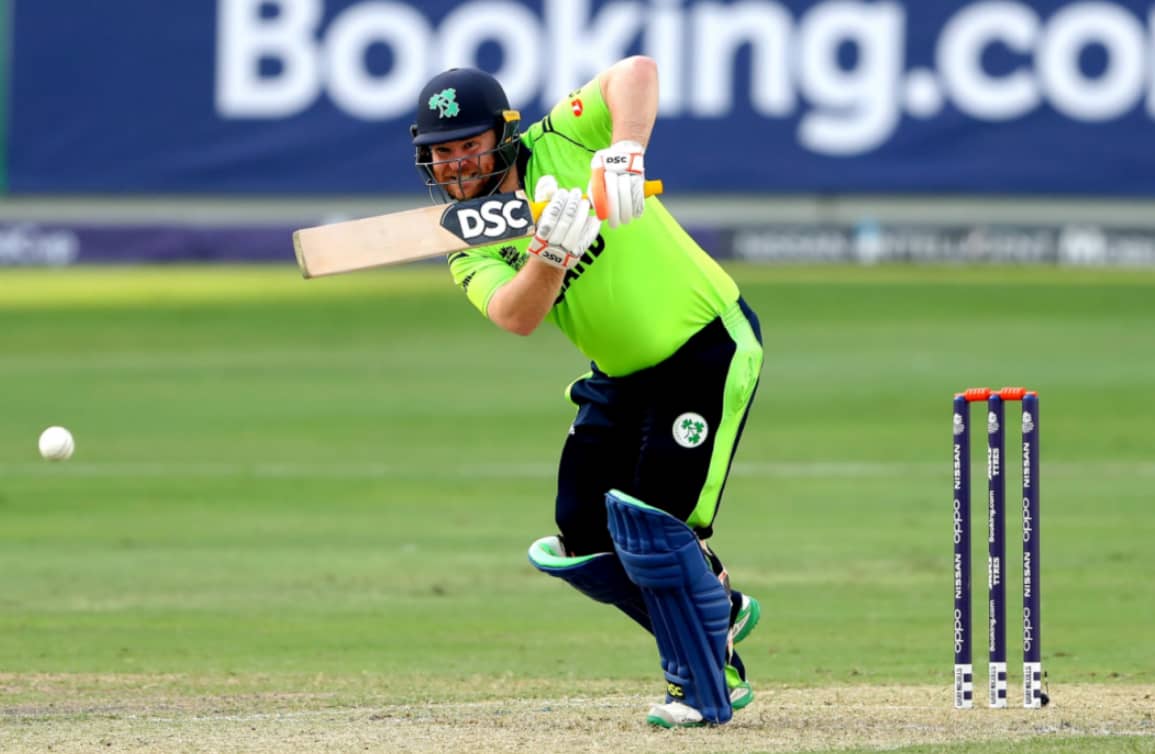
| 1 | Paul Stirling | Ireland | 160 | 2008 |
| 2 | Rohit Sharma | India | 159 | 2007 |
| 3 | George Dockrell | Ireland | 153 | 2010 |
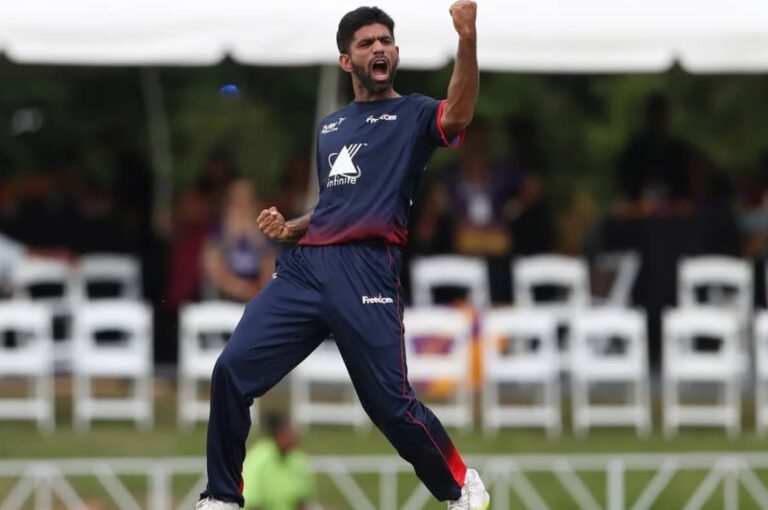
| 4 | Mohammad Nabi | Afghanistan | 148 | 2010 |
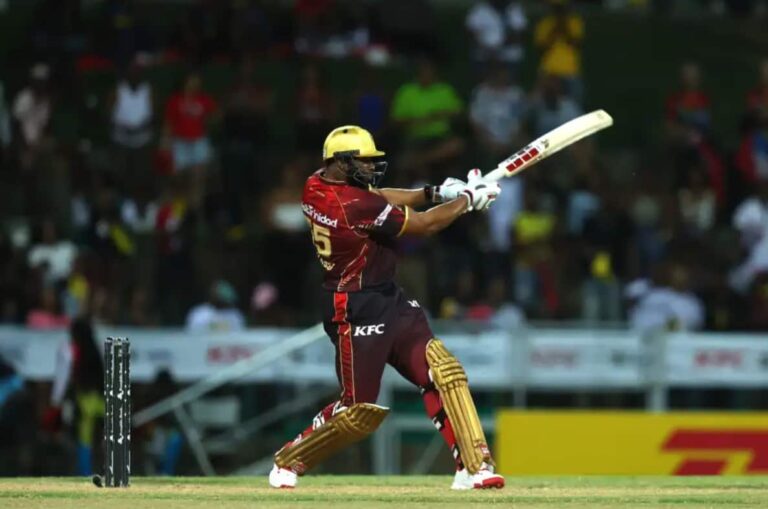
| 5 | Jos Buttler | England | 144 | 2011 |
Key Points: Paul Stirling Sets New Record for Most T20I Appearances
- Historic milestone achieved
Reaching 160 T20I matches across 18 years demonstrates exceptional durability. Modern workload management limits player availability through rotation systems, rest protocols, and franchise commitments. Stirling’s record reflects continuous selection despite these constraints, maintaining form and fitness through multiple coaching eras and squad rebuilds.
- Previous record surpassed
The 159-match benchmark stood since late 2024 after being set across 17 years of international service. It represented consistency through World Cups, bilateral tours, and captaincy phases. The one-match difference between first and second place shows how competitive the elite tier remains among Most Capped Men’s T20I Players globally.
- Consistency over eras
Stirling’s career spans from T20 cricket’s developmental phase in 2008 through its current status as a primary format. He adapted through rule modifications, tactical evolution from power-hitting to rotation-based strategies, and Ireland’s transition from associate status to full membership. Few players maintain international relevance across such varied conditions and team structures.
- Impact beyond numbers
Stirling’s leadership guided Ireland through qualification campaigns and provided stability during transitional squad phases. His experience influenced younger players entering the setup while representing associate cricket’s potential when given consistent opportunities. This record validates Ireland’s cricket infrastructure investments since gaining ODI status in 2017.
Latest Update: Paul Stirling surpasses Rohit Sharma to Become Most Capped Player in T20Is
Paul Stirling became the most capped player in T20Is in 2026 during Ireland’s first T20I against the UAE on January 29.
The match took place at Dubai International Cricket Stadium, where Stirling played his 160th T20I, moving one ahead of Rohit Sharma’s 159 appearances.
Ireland posted 178/6 in their innings.
Stirling scored eight runs before departing early, but contributions from Ross Adair, Lorcan Tucker, Curtis Campher, Benjamin Calitz, and George Dockrell secured Ireland’s total.
UAE bowlers Junaid Siddique and Haider Ali claimed two wickets each.
The milestone matters because it marks the first time an associate nation player holds the outright record for most T20I caps.
Ireland’s increased fixture access through ICC pathways and bilateral agreements enabled this achievement.
Stirling now sits alone at the top, with Sharma’s total frozen following his T20I retirement after India’s 2024 T20 World Cup victory.
The gap between first and third place is seven matches.
Active players, including George Dockrell, Mohammad Nabi, and Jos Buttler, could challenge the record through 2026 if they maintain selection and availability across international commitments.
Top 5 Most Appearances in Men’s T20Is
Paul Stirling
- Matches played: 160
- Career runs: 3,874
- Role: Top-order batter
Why it matters: Stirling’s benchmark demonstrates how associate nations can produce players with full-member durability when fixture access improves. His 18-year career includes one century and 24 half-centuries at an average of 26.53, with a top score of 115 not out against Afghanistan.
Rohit Sharma
- Matches played: 159
- Career runs: 4,231
- Role: Opener
Why it matters: Sharma combined high output with longevity, scoring at 32.05 average with five centuries and 32 half-centuries before retiring after the 2024 T20 World Cup. His record stood as the global benchmark until January 2026, built through captaincy duties and ICC tournament campaigns.
George Dockrell
- Matches played: 153
- Role: All-rounder
Why it matters: Dockrell provides long-term balance through left-arm spin and middle-order batting since his 2010 debut. His 153 matches reflect Ireland’s expanded calendar and his adaptability across match situations, keeping him central to selection plans through coaching changes.
Mohammad Nabi
- Matches played: 148
- Role: All-rounder
Why it matters: Nabi anchored Afghanistan’s T20I rise since 2010 through off-spin and lower-order hitting. His 148 matches came despite Afghanistan’s initially limited fixture access, demonstrating indispensability during qualification campaigns and World Cup appearances.
Jos Buttler
- Matches played: 144
- Role: Wicketkeeper-batter
Why it matters: Buttler delivers match-winning impact at the elite level, averaging over 35 with explosive strike rates since his 2011 debut. His 144 matches include England captaincy, World Cup-winning performances, and consistent selection across bilateral and ICC commitments.
Conclusion:
Stirling’s position as the most capped player in T20Is 2026 represents a geographic shift in T20I cricket’s longevity records.
Full members and associate nations now operate on more comparable fixture schedules, narrowing gaps that existed before 2018.
Associate nations gained bilateral series opportunities through ICC funding structures and qualification pathway reforms.
This allowed Irish and Afghan players to accumulate caps matching traditional powers.
The record validates Ireland’s professional pathway investments and Cricket Ireland’s strategic planning since ODI status recognition.
Records function as reference points rather than endpoints. Active players trail by narrow margins, with opportunities to challenge through continued form and availability.
The one-match gap between first and second demonstrates how competitive this tier remains across international cricket.
What defines this achievement is sustained performance across seasons and format evolution, not isolated brilliance.
Stirling’s 18-year span required form retention, injury management, and consistent team trust.
The title may change hands as active players continue their careers, but this milestone establishes a new standard for associate-nation player longevity in international cricket’s shortest format.
Also Check:
About the Author