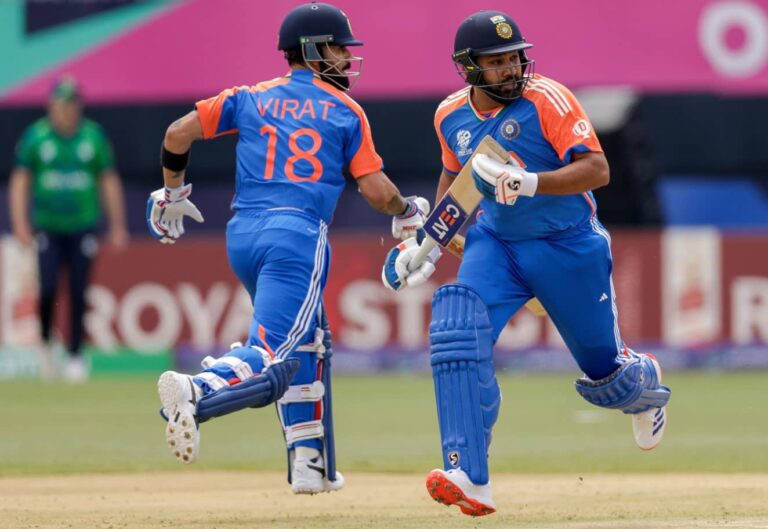
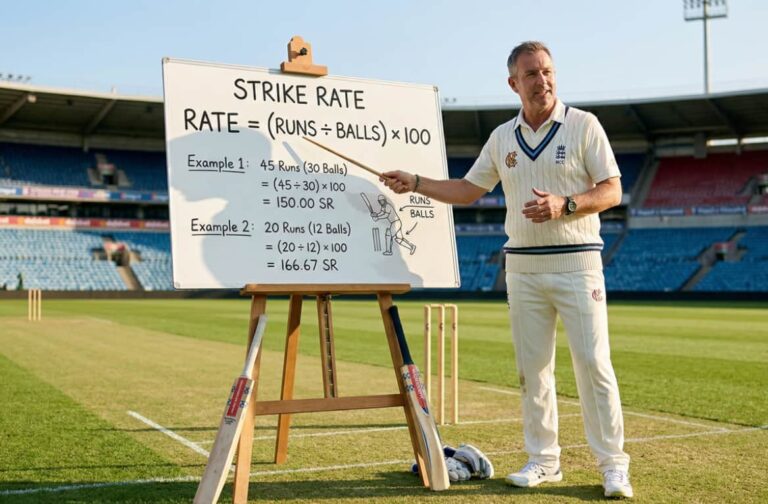
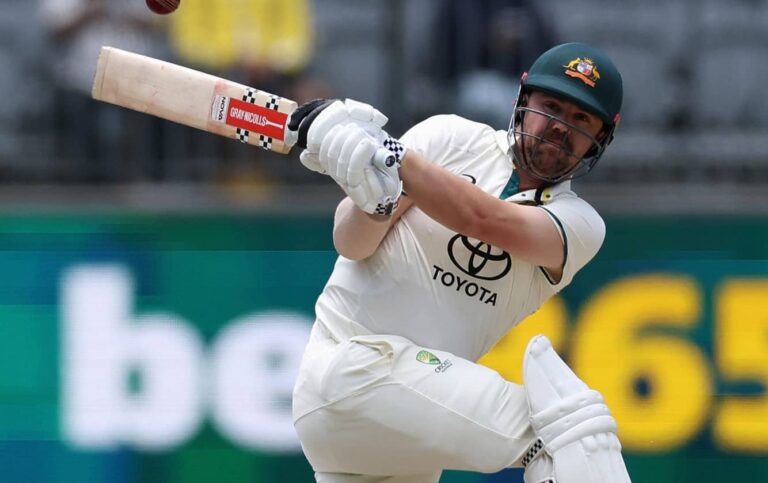
Cricket operates under specific regulations that determine match outcomes across all formats.
Players, officials, and viewers benefit from understanding the 15 rules of cricket 2026 to interpret game situations accurately.
These rules establish standardized procedures for tossing, scoring, dismissals, and format-specific conditions.
They apply universally but contain variations for Tests, ODIs, and T20s.
15 Rules of Cricket
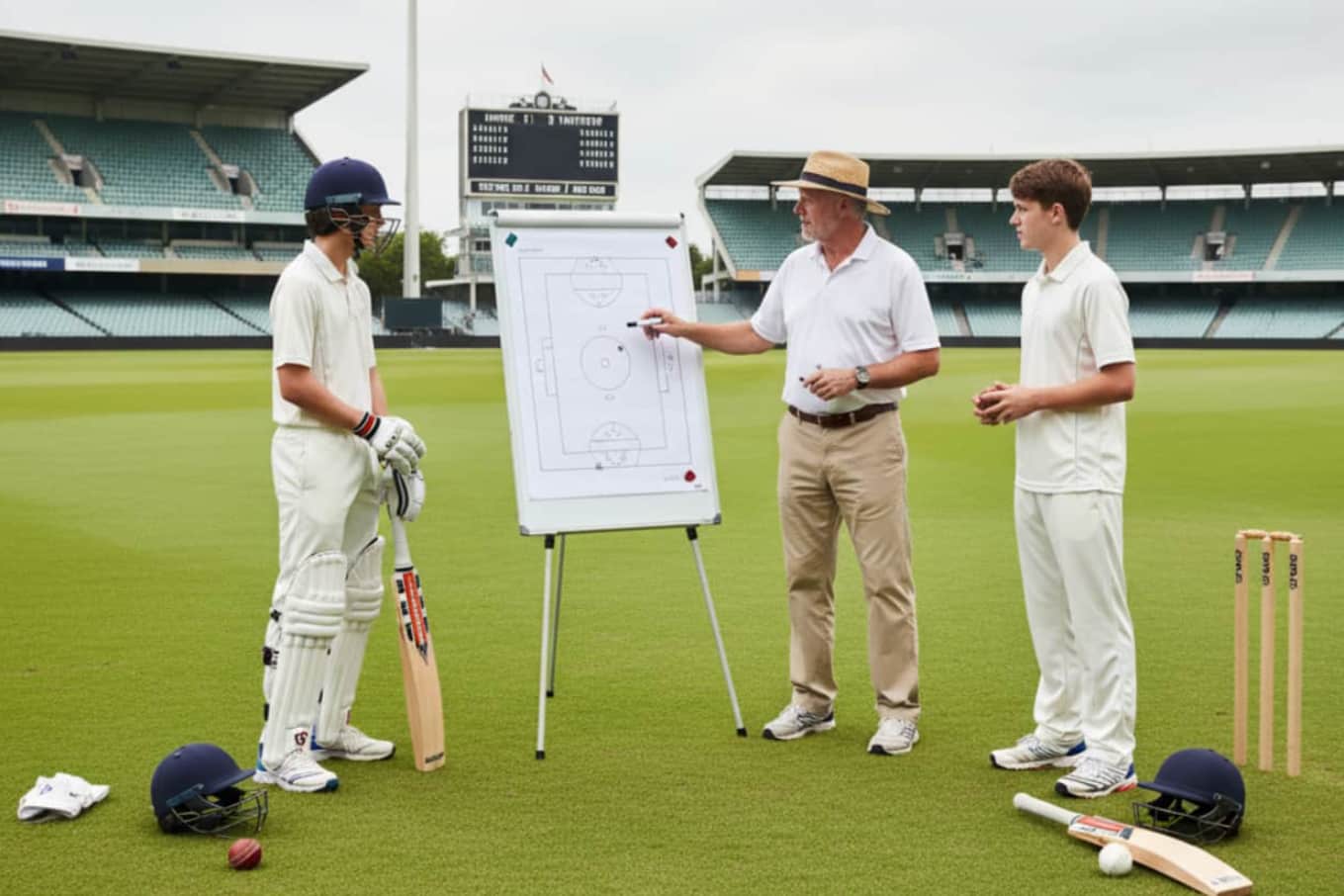
This article provides factual explanations of each regulation, clarifying application and relevance.
The focus remains on functional understanding rather than historical context.
15 Rules of Cricket
| Rule No. | Rule Name | Primary Purpose | Format Applicability |
|---|---|---|---|
| 1 | Toss | Decides batting or bowling first | All formats |
| 2 | Boundary | Determines four or six runs | All formats |
| 3 | Wickets | Method of dismissing a batter | All formats |
| 4 | Runs | Scoring mechanism | All formats |
| 5 | Overs | Bowling structure | Limited overs |
| 6 | No-ball & Free Hit | Bowling infringement control | Limited overs |
| 7 | LBW | Leg-based dismissal | All formats |
| 8 | Powerplay | Fielding restriction phase | ODI & T20 |
| 9 | Follow-On | Second innings enforcement | Test cricket |
| 10 | DLS/VJD | Rain-affected match result | Limited overs |
| 11 | Wide | Illegal delivery penalty | All formats |
| 12 | Bouncer/Beamer | Short & dangerous deliveries | All formats |
| 13 | Run-Out | Dismissal while running | All formats |
| 14 | Dead Ball | Stops active play | All formats |
| 15 | Super Over | Tie-breaker method | Limited overs |
What Are the Basic Rules of Cricket?
Cricket matches involve two teams of 11 players each. One team bats while the other bowls and fields. Teams alternate roles through innings structure.
The batting side attempts to accumulate runs by hitting deliveries and running between wickets. Boundaries crossed by the ball add four or six runs instantly. The bowling side works to dismiss batters and limit scoring.
Each team receives one innings in limited-overs formats and two innings in Test cricket. Dismissals occur through methods including bowled, caught, LBW, stumped, and run-out. Ten dismissals end a batting innings.
The 10 basic rules of cricket cover team composition, toss procedures, scoring methods, dismissal types, and over structures. The 5 basic rules of cricket focus on match setup, run accumulation, wicket-taking, innings completion, and result determination.
Match winners are determined by final run totals. Teams scoring more runs win unless weather interruptions require calculation adjustments through designated mathematical methods.
Top 15 Basic Cricket Rules You Should Know
1. The Toss: Deciding Who Bats First
- What it means: Both captains meet before the match for a coin toss. The winner chooses whether the team bats or bowls first based on the conditions assessment.
- Why it matters: Early conditions often favor either batting or bowling, depending on pitch moisture, weather patterns, and surface characteristics. Winning the toss provides strategic control over the match approach.
- Key format note: The toss applies across all formats. Test matches see greater toss impact due to pitch deterioration over five days, affecting batting difficulty.
2. The Boundary: Scoring Four or Six Runs
- What it means: The boundary line marks the field perimeter. Balls crossing after touching the ground score four runs. Balls clearing without ground contact score six runs.
- Why it matters: Boundaries accelerate scoring without running risk. Batters target specific field areas to maximize boundary frequency based on bowling lines and fielding placements.
- Key format note: T20 cricket emphasizes boundary hitting for rapid scoring. Test cricket uses boundaries to build sustained scoring pressure over extended periods.
3. Wickets: Method of Dismissing a Batter
- What it means: Wickets refer to batter dismissals. Primary methods include bowled (stumps hit), caught (fielder catches before bounce), LBW (body blocks ball hitting stumps), stumped (keeper breaks stumps while batter is out), and run-out (stumps broken during running). Ten dismissals complete an innings.
- Why it matters: Taking wickets stops established batters and exposes less experienced players. Bowling teams plan dismissal strategies through line, length, and field placement combinations.
- Key format note: Test cricket allows extended periods for wicket-taking strategies. Limited-overs formats require faster dismissals to control run rates and create scoreboard pressure.
4. Runs: The Basics of Scoring
- What it means: Runs accumulate through physical running between wickets after hitting deliveries. Each completed run equals one point. Extras like no-balls, wides, byes, and leg-byes add to team totals without batter contribution.
- Why it matters: Run accumulation determines match outcomes. Teams calculate required rates in limited-overs cricket to maintain a winning pace against remaining deliveries.
- Key format note: Test cricket allows unlimited time for run compilation. ODIs require balanced scoring across 50 overs. T20s demand aggressive rates throughout 20-over innings.
5. Overs: The Unit of Bowling
- What it means: An over contains six legal deliveries from one bowler to one end. Limited-overs formats restrict total overs: 50 per side in ODIs and 20 per side in T20s.
- Why it matters: Over limits structure match duration and requires bowling rotation. Individual bowler restrictions prevent single-bowler dominance in limited-overs cricket.
- Key format note: Test cricket imposes no over limits per innings. ODI bowlers face 10-over maximums. T20 bowlers cannot exceed four overs per match.
6. No-Ball & Free Hit: Bowling Infringement Control
- What it means: No-balls occur when bowlers overstep the crease line, deliver above waist height full tosses, or breach bowling regulations. The batting team receives one extra run plus an additional delivery. Limited-overs formats award a free hit on the next ball where dismissals cannot occur except through run-outs.
- Why it matters: No-balls transfer advantage to batters through penalty runs and extra deliveries. Free hits allow aggressive shot attempts without dismissal consequences beyond run-out risk.
- Key format note: Free hits apply only in ODIs and T20s. Test cricket awards no-balls and re-bowls but excludes free hit provisions.
7. LBW Rules: Leg-Based Dismissal
- What it means: Leg Before Wicket dismisses batters when deliveries strike body parts in line with the stumps and would have hit them. The ball must pitch inline or outside off-stump, not outside leg-stump. Impact must occur before reaching stumps.
- Why it matters: LBW decisions require precise judgment of ball trajectory, pitch point, and impact location. DRS technology enables teams to challenge on-field LBW rulings through ball-tracking analysis.
- Key format note: LBW operates across all formats with identical criteria. Umpire interpretation and review availability significantly influence dismissal outcomes during close appeals.
8. Powerplay: Fielding Restriction Phase
- What it means: Powerplays limit fielders positioned outside a 30-yard circle during designated overs. ODIs implement three powerplay phases across the innings. T20Is enforce a six-over powerplay at innings start with a maximum of two fielders outside the circle.
- Why it matters: Restricted field placements create scoring windows for batting teams. Bowling sides must maintain control despite limited boundary protection during powerplay phases.
- Key format note: ODI powerplays span 10 overs initially, followed by two five-over phases. T20I powerplays cover overs 1-6 with strict two-fielder outside-circle limits.
9. Follow-On: Second Innings Enforcement
- What it means: In Test cricket, teams trailing by 200 runs or more after the first innings face potential follow-on enforcement. The leading captain can require immediate second-innings batting from the trailing team without the leading team batting again.
- Why it matters: Follow-ons accelerate victory pursuits by eliminating the leading team’s second-innings batting requirement. This strategy demands substantial first-innings advantages to implement effectively.
- Key format note: Follow-on applies exclusively to Test matches. Required deficits are 200 runs for five-day Tests and 150 runs for matches scheduled under five days.
10. DLS/VJD: Rain-Affected Match Result
- What it means: The Duckworth-Lewis-Stern method recalculates targets when rain interrupts limited-overs matches. VJD methods serve equivalent purposes in domestic Indian cricket. Both systems adjust targets based on remaining wickets and overs available to chasing teams.
- Why it matters: These calculations maintain fairness when the weather reduces overs. Revised targets account for scoring resources lost through interruption by analyzing wickets in hand and deliveries remaining.
- Key format note: DLS applies to international ODIs and T20Is under ICC jurisdiction. VJD operates primarily in IPL and domestic Indian tournaments for weather-affected fixtures.
11. Wide: Illegal Delivery Penalty
- What it means: Wides are called when deliveries pass beyond batter’s reach outside marked guidelines on either side. The batting team receives one extra run, and the bowler must deliver an additional ball.
- Why it matters: Wides penalize bowling inaccuracy while adding to opposition totals. Multiple wides disrupt bowling rhythm and unnecessarily increase match scores.
- Key format note: Wide interpretations differ slightly between formats. Limited-overs cricket applies stricter wide guidelines than Test matches to protect batting scoring opportunities.
12. Bouncer/Beamer: Short & Dangerous Deliveries
- What it means: Bouncers are legal short-pitched deliveries targeting the batter’s upper body. Regulations permit one or two bouncers per over, depending on format. Beamers are full-toss deliveries reaching batters above waist height and trigger no-ball calls due to danger levels.
- Why it matters: Bouncers provide tactical variation and discomfort against batters. Beamers result in immediate penalties and warnings because they create injury hazards.
- Key format note: Test cricket allows two bouncers per over. Limited-overs formats typically restrict bouncers to one per over for batter protection.
13. Run-Out: Dismissal While Running
- What it means: Run-outs occur when fielders break stumps while batters attempt run completion and remain outside protective creases. Direct throws or relays to keepers execute most run-out dismissals.
- Why it matters: Run-outs capitalize on poor judgment between wickets and exceptional fielding execution. Close run-out appeals typically require third umpire frame analysis for accurate decisions.
- Key format note: Run-outs function identically across formats. T20 cricket generates higher run-out frequencies due to aggressive running between wickets and fielding pressure.
14. Dead Ball: Stops Active Play
- What it means: A dead ball halts active play temporarily. Umpires declare a dead ball when deliveries lodge in equipment, injuries occur, or irregular circumstances interrupt play. No runs score, and dismissals cannot occur during dead-ball periods.
- Why it matters: This rule protects player welfare and ensures fair competition. Dead-ball declarations prevent scoring or dismissal disputes during abnormal play situations.
- Key format note: Dead-ball provisions operate across all formats. Umpires exercise discretion in declaring a dead ball when match integrity requires immediate play stoppage.
15. Super Over: Tie-Breaker Method
- What it means: Super Overs determine winners when limited-overs matches end level. Each team faces one additional over. Higher scores win. Additional Super Overs continue if scores remain tied after the first attempt.
- Why it matters: Super Overs provide definitive results in knockout tournaments and finals. High-pressure conditions test team composure and tactical execution under extreme circumstances.
- Key format note: Super Overs apply to ODIs and T20Is when tournament structures require outright winners. Bilateral series may employ alternative tiebreaker protocols.
Other Important Cricket Rules and Regulations
1. Fielding Restrictions
Limited-overs cricket enforces fielding circles, restricting defensive field settings during specific phases. Beyond powerplay overs, a maximum of five fielders can position outside the 30-yard circle.
These restrictions balance batting and bowling advantages throughout innings. Teams configure fields to maximize wicket chances while minimizing boundary-scoring opportunities within restriction parameters.
2. Fair and Unfair Play
Regulations prohibit ball tampering, deliberate pitch damage, and fielder obstruction. Violations result in run penalties to the opposition and potential player sanctions.
Match referees investigate unfair play incidents. Serious breaches trigger ICC disciplinary action, including match bans and financial penalties. Umpires issue initial warnings before applying formal sanctions.
3. Injuries and Substitutes
Teams deploy substitute fielders during player injuries. Substitutes cannot bat, bowl, or captain. Their participation is restricted to fielding duties exclusively.
Concussion substitutes represent specific exceptions. Players suffering head injuries can be replaced by equivalent-ability substitutes approved by match officials. Concussion replacements can bat and bowl, unlike standard substitutes.
Why Knowing Cricket Rules is So Important?
- Avoid penalties: Regulation awareness prevents unnecessary runs conceded to opponents. Teams maintaining disciplined play avoid violations affecting match results through penalty accumulation.
- Improve decision-making: Understanding all rules of cricket enables informed tactical choices during pressure situations. Captains make strategic decisions about reviews, field placements, and bowling rotations when comprehending regulatory frameworks.
- Enhance match awareness: Players familiar with regulations anticipate umpiring decisions and adjust approaches accordingly. This comprehension improves individual execution and team coordination during critical phases.
FAQs:
- What are the basic rules of cricket?
Cricket involves two 11-player teams alternating batting and bowling innings. The batting side scores runs while the bowling side attempts dismissals through various methods. Higher-scoring teams win matches.
- What is LBW in cricket?
LBW dismisses batters when deliveries strike body parts in line with the stumps and would have hit them. The ball must pitch inline or outside off-stump with impact occurring before reaching the stumps.
- How many overs are in a cricket match?
Test cricket imposes no over limits per innings. ODIs consist of 50 overs per team. T20 matches feature 20 overs per side. Super Overs add one over when matches tie.
- What is the powerplay in cricket?
Powerplays restrict fielders outside the 30-yard circle during designated overs. ODIs use three powerplay phases totaling 20 overs. T20Is implement six-over powerplays at innings start with two-fielder outside-circle maximums.
- Can a substitute player bat or bowl in cricket?
Standard substitutes field only and cannot bat or bowl. Concussion substitutes constitute exceptions, allowing equivalent-ability replacements to bat and bowl when players suffer head injuries.
Conclusion:
The 15 rules of cricket 2026 establish standardized frameworks for match conduct across formats. These regulations ensure consistent application of playing conditions and dismissal procedures.
- Core rules clarity: Understanding fundamental regulations covering toss, boundaries, wickets, runs, and overs provides baseline match comprehension. Supplementary rules addressing powerplays, DLS, and Super Overs handle format-specific scenarios.
- Format-specific understanding: Test cricket, ODIs, and T20s implement distinct variations in fielding restrictions, over limits, and structural elements. Recognizing format differences enhances tactical awareness.
- Confidence and fair play: Thorough knowledge of the 15 Rules of Cricket strengthens match-situation judgment and maintains competitive standards. Players and officials understanding regulations contribute to accurate officiating and strategic execution.
About the Author