The Australia women’s T20I captains list from 2005 to 2026 documents nine leaders who have shaped Australia’s evolution into the format’s most dominant force.
This leadership progression reflects strategic maturation from experimental beginnings to modern tactical sophistication across 21 years.
Each captain inherited distinct challenges ranging from format establishment to maintaining unprecedented winning standards.
Leadership transitions occurred through retirement, form-based selection, and strategic succession planning, prioritizing continuity alongside tactical innovation.
Win percentages spanning 40% to 88.88% illustrate varied era contexts, including rebuilding phases, golden periods of dominance, and interim leadership assignments.
Australia Women’s T20I Captains List from 2005 to 2026
The collective record demonstrates organizational depth that extends beyond individual brilliance to systematic excellence in captain development and tactical preparation.
Australia Women’s T20I Captains List
Nine captains have led Australia across 199 T20I matches since the format’s inception. Leadership span ranges from single-match tenure to century-long captaincy assignments.
| Player | Span | Matches | Wins | Losses | Ties/NR | Win % |
|---|---|---|---|---|---|---|
| Belinda Clark | 2005 | 1 | 1 | 0 | 0 | 100.00 |
| Karen Rolton | 2006–09 | 13 | 8 | 4 | 1 | 61.53 |
| Jodie Fields | 2009–13 | 26 | 16 | 10 | 0 | 61.53 |
| Alex Blackwell | 2010–16 | 20 | 8 | 11 | 1 | 40.00 |
| Meg Lanning | 2014–23 | 100 | 76 | 18 | 6 | 76.00 |
| Rachael Haynes | 2017–20 | 6 | 3 | 3 | 0 | 50.00 |
| Alyssa Healy | 2022–24 | 25 | 19 | 5 | 1 | 76.00 |
| Tahlia McGrath | 2022–25 | 9 | 8 | 1 | 0 | 88.88 |
| Sophie Molineux | 2026– | — | — | — | — | — |
List of Australia Women’s T20I Captains (2005–2026): From Belinda Clark to Sophie Molineux
Belinda Clark (2005)
- Matches: 1
- Wins: 1
- Losses: 0
- Win Rate: 100%
Clark’s single-match captaincy in 2005 inaugurated Australia’s T20I journey with perfect execution.
Her tenure established professional standards during format infancy when strategic frameworks remained undeveloped.
Clark’s leadership bridged traditional cricket approaches with emerging T20 requirements, creating foundational expectations for future captains.
Karen Rolton (2006–09)
- Matches: 13
- Wins: 8
- Losses: 4
- Ties: 1
- Win Rate: 61.53%
Rolton commanded Australia during T20 cricket’s formative phase when tactical doctrine evolved rapidly.
Her 61.53% success rate reflected experimental approaches to powerplay batting and field placement strategies.
Rolton’s calm authority enabled team adaptation to format demands while maintaining competitive standards against developing international opposition.
Jodie Fields (2009–13)
- Matches: 26
- Wins: 16
- Losses: 10
- Win Rate: 61.53%
Fields’ wicketkeeper-captain tenure strengthened Australia’s global ranking through tactical awareness and team cohesion emphasis.
Her identical win percentage to Rolton demonstrated consistency across leadership transition periods.
Fields’ energetic field presence established cultural expectations for aggressive yet calculated risk-taking in high-pressure situations.
Alex Blackwell (2010–16)
- Matches: 20
- Wins: 8
- Losses: 11
- Ties: 1
- Win Rate: 40%
Blackwell’s captaincy coincided with a generational transition requiring the integration of emerging talent alongside experienced players.
The 40% win rate reflected rebuilding challenges rather than tactical deficiencies during squad restructuring.
Blackwell’s steady presence maintained organizational stability while developing future leadership candidates who would dominate subsequent years.
Meg Lanning (2014–23)
- Matches: 100
- Wins: 76
- Losses: 18
- Ties/NR: 6
- Win Rate: 76%
Lanning’s century of matches established new performance benchmarks through aggressive tactical philosophy and batting dominance.
Her 76% success rate across nine years redefined expectations for Australian captaincy in T20 format.
Multiple ICC title victories under Lanning’s leadership transformed Australia into the format’s measuring standard globally.
Rachael Haynes (2017–20)
- Matches: 6
- Wins: 3
- Losses: 3
- Win Rate: 50%
Haynes provided reliable interim leadership during senior player absences, maintaining tactical continuity across six assignments.
Her balanced record demonstrated steady decision-making during transitional moments without a permanent captaincy designation.
Haynes’ contributions reinforced Australia’s leadership depth culture beyond primary captain reliance.
Alyssa Healy (2022–24)
- Matches: 25
- Wins: 19
- Losses: 5
- Ties: 1
- Win Rate: 76%
Healy’s wicketkeeper-captain role matched Lanning’s winning percentage through fearless batting and proactive field tactics.
Her 25-match tenure sustained dominance during the post-Lanning transition period with minimal performance decline.
Healy’s aggressive approach aligned with modern T20 philosophy, emphasizing boundary-hitting and calculated risk-taking.
Tahlia McGrath (2022–25)
- Matches: 9
- Wins: 8
- Losses: 1
- Win Rate: 88.88%
McGrath recorded the highest win percentage among all Australian T20I captains across nine leadership assignments.
Her all-round capabilities and proactive tactical decisions demonstrated readiness for extended captaincy responsibilities.
The 88.88% success rate highlighted Australia’s exceptional depth in developing multiple leadership-ready candidates simultaneously.
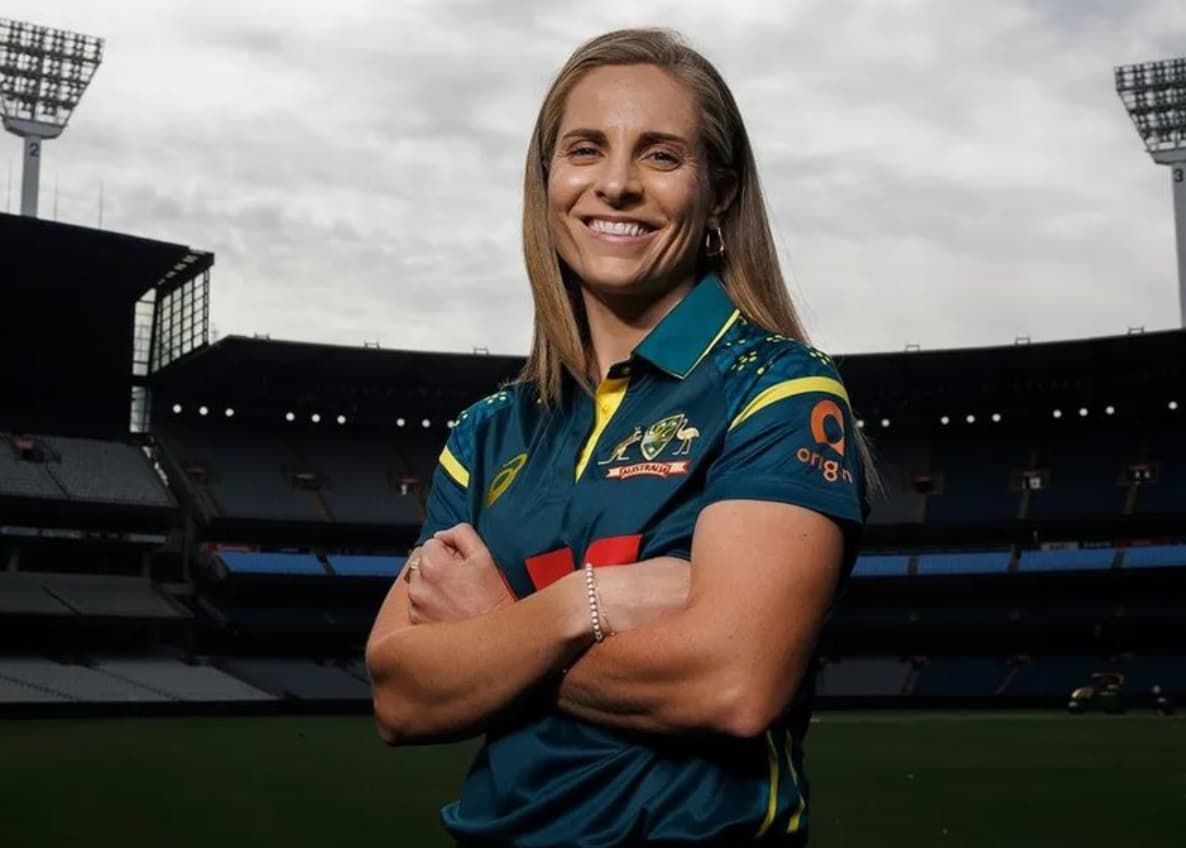
Sophie Molineux (2026–Current Captain)
- Status: Active Captain
- Matches: To be determined
- Record: To be established
Molineux assumes captaincy with strategic intelligence developed through injury recovery and all-round performance evolution.
Her appointment continues Australia’s leadership succession model, prioritizing tactical acumen and team-first mentality.
Molineux inherits the organizational infrastructure built through 21 years of systematic captain development.
Conclusion:
The Australia women’s T20I captains list from Belinda Clark to Sophie Molineux represents 21 years of leadership evolution through format growth and tactical sophistication.
Nine captains have maintained competitive excellence despite varying era challenges and squad compositions.
Win percentage variation from 40% to 88.88% reflects contextual differences, including rebuilding phases and dominant periods.
Leadership depth remains Australia’s structural advantage with multiple captain-ready candidates emerging through systematic development pathways.
Key phases summary:
- 2005 – Format Beginning: Clark’s inaugural match established professional expectations during the experimental T20 introduction period.
- 2009–2013 – Stability Phase: Fields maintained 61.53% win rate while strengthening global ranking position through tactical refinement.
- 2014–2023 – Golden Era: Lanning’s 100-match tenure delivered 76% success rate and multiple ICC titles, defining modern dominance standards.
- 2026–Future – New Chapter: Molineux inherits proven systems with a mandate to sustain excellence through continued tactical innovation.
Also Check:
- Australia Cricket Team Squad for ODI, T20I and Test 2026-2027 (Coaching and Support Staff)
- Australian Cricket Players Salary 2026-27
- Australia Cricket Fixtures 2026-27
About the Author