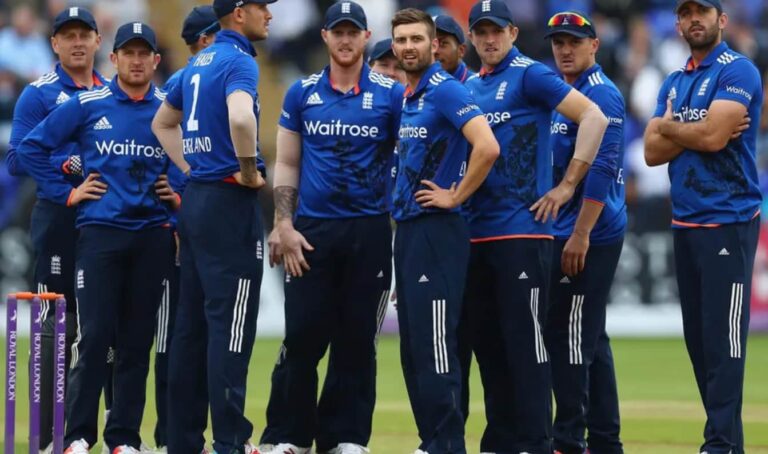
Cricket demands sustained physical output across long sessions — batting, bowling, and fielding under intense conditions.
Poor stamina and quick exhaustion are often direct results of inadequate nutrition rather than lack of fitness alone.
The best diet plan for cricketers 2026 addresses energy management, muscle recovery, and hydration as three non-negotiable pillars.
Without these, even the most skilled players underperform during extended match situations.
From Test cricket spanning five days to high-intensity T20 formats, nutritional demands vary significantly across formats.
Best Diet Plan for Cricketers 2026
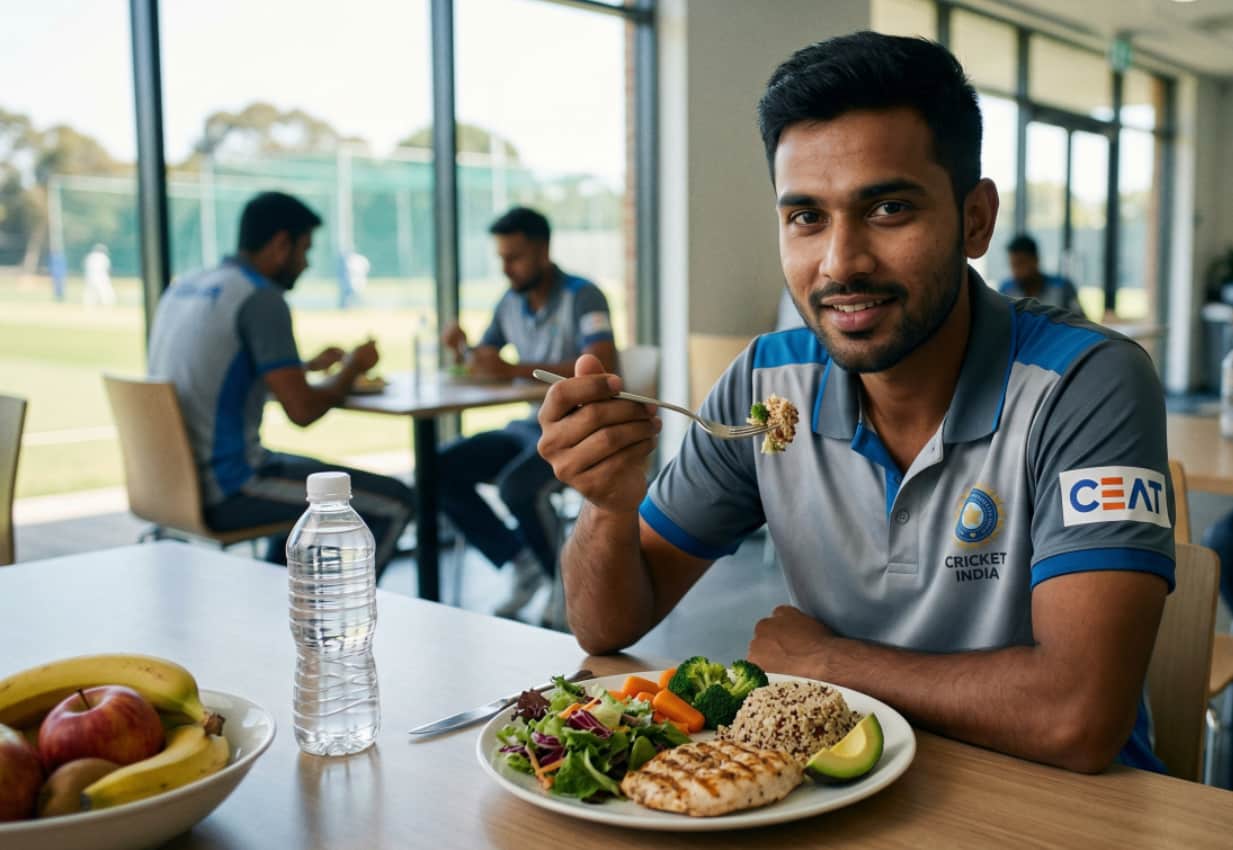
A structured diet plan helps cricketers adapt to these varying demands efficiently.
Importance of a Diet Plan for Cricketers
- Sustained Energy — Carbohydrates provide slow-releasing fuel that keeps players active through long batting or bowling spells without energy crashes.
- Muscle Recovery — Protein-rich foods repair muscle damage caused by explosive movements like sprinting, diving, and fast bowling.
- Improved Stamina — A balanced macronutrient intake builds endurance capacity, allowing players to perform consistently across all sessions.
- Mental Clarity — Vitamins, minerals, and proper hydration support sharp decision-making and concentration during pressure situations in the field.
- Reduced Injury Risk — Adequate calcium and Vitamin D intake strengthens bones and reduces vulnerability to fractures, strains, and cramps.
- Hydration Balance — Electrolyte-rich fluids prevent muscle cramps and maintain physical efficiency during hot match conditions.
- Faster Training Recovery — Post-session nutrition accelerates recovery, reducing muscle soreness and preparing the body for the next training load.
Best Diet Plan for Cricketers in 2026
The best diet plan for cricketers 2026 is built around five core food categories that collectively support energy, recovery, and long-term performance.
🥣 1. Carbohydrates (Energy Source)
| Food | Quantity | Benefit |
|---|---|---|
| Brown Rice | 1 cup | Slow energy release |
| Oats | 1 bowl | Improves stamina |
| Whole Wheat Roti | 2 medium | Stable blood sugar |
| Poha / Upma | 1 bowl | Light and digestible |
Complex carbohydrates like oats, brown rice, and whole grains release energy slowly, sustaining performance across long match sessions without causing sudden energy dips between overs.
🍳 2. Protein (Muscle Repair)
| Food | Quantity | Benefit |
|---|---|---|
| Eggs | 2 | Muscle repair |
| Chicken Breast | 100g | Lean protein |
| Paneer | 50g | Vegetarian protein |
| Lentils | 1 bowl | Plant-based protein |
The best diet plan for cricketers, a vegetarian diet, relies heavily on paneer, lentils, chickpeas, and soy as primary protein sources. For fast bowlers specifically, a fast bowler diet plan pdf typically recommends 1.6–2g of protein per kg of body weight daily given their high physical workload.
🥛 3. Dairy and Calcium
| Food | Quantity |
|---|---|
| Milk | 1 glass |
| Curd | 200g |
| Yogurt | 1 bowl |
Dairy products strengthen bones, support calcium intake, and improve gut health. Curd and yogurt also provide probiotics that aid digestion and reduce post-match inflammation.
🍎 4. Fruits and Hydration
| Item | Purpose |
|---|---|
| Banana | Instant energy |
| Apple | Fiber and antioxidants |
| Orange | Vitamin C and immunity |
| Coconut Water | Natural electrolytes |
Target 3–4 litres of water daily during training and match days. Coconut water and electrolyte drinks replace minerals lost through sweat and reduce cramp risk significantly.
🥗 5. Vegetables
Vegetables provide essential micronutrients, fibre, and antioxidants that support immunity and recovery. Include a variety across colours and types daily.
| Type | Example |
|---|---|
| Leafy | Spinach |
| Root | Carrot |
| Salad | Cucumber |
Age-Specific Diet Plans
Diet chart for junior cricketers must account for growth alongside athletic development. Nutritional requirements differ significantly between age groups.
| Age Group | Focus |
|---|---|
| Cricketers diet plan age 12 13 | Balanced carbs, milk, fruits, and light protein for growth and energy |
| Cricketers diet plan age 14 15, vegetarian | Increased protein from lentils, paneer, and soy to support training demands |
Young cricketers should avoid protein supplements unless prescribed by a certified sports nutritionist. Whole food sources are always preferred at junior development levels.
Disadvantages of a Poor Diet for Cricketers
- Early Fatigue — Insufficient carbohydrates lead to rapid energy depletion, limiting performance during long batting or bowling sessions.
- Muscle Cramps — Poor hydration and low electrolyte intake cause involuntary cramping, particularly in the final stages of long matches.
- Increased Injury Risk — Nutrient deficiencies weaken connective tissue and slow the body’s ability to withstand repeated physical stress.
- Slow Recovery — Inadequate protein intake after sessions delays muscle repair and extends soreness into the following training day.
- Brain Fog — Dehydration and micronutrient deficiency impair concentration, reaction time, and in-game decision-making ability.
- Weak Bones — Vitamin D deficiency reduces bone density and increases fracture and stress injury risk, particularly for bowlers.
- Poor Stamina — Reliance on processed or junk food reduces aerobic capacity and overall match endurance across all formats.
- Weight Imbalance — Unstructured diets lead to either unhealthy weight gain or loss, directly affecting agility and on-field speed.
Frequently Asked Questions About a Diet Plan for Cricketers
- Why is diet important for cricketers?
A structured diet fuels sustained energy, accelerates muscle recovery, sharpens mental focus, and reduces injury risk across training and match schedules. Nutrition directly determines how long a player can perform at full capacity without fatigue.
- What helps quick recovery after matches?
Protein-rich foods such as chicken, eggs, paneer, and lentils, combined with carbohydrates like rice and potatoes, accelerate muscle repair. Adequate fluid intake with electrolytes restores hydration and mineral balance quickly after intense sessions.
- Should cricketers avoid junk food?
Yes. Fried and heavily processed foods slow digestion, reduce stamina, spike blood sugar, and increase overall fatigue levels. They offer no meaningful nutritional benefit for athletic performance or recovery.
- Is a vegetarian diet enough for cricket performance?
Absolutely. Plant-based proteins, including lentils, chickpeas, paneer, tofu, and soy, effectively meet a cricketer’s protein requirements when consumed in adequate quantities across multiple meals throughout the day.
Conclusion:
Nutrition is not optional for competitive cricket — it is foundational.
The best diet plan for cricketers 2026 integrates carbohydrates, proteins, dairy, fruits, and vegetables into a structured daily routine that supports both performance and long-term physical health.
Consistency in diet delivers the same compounding benefits as consistency in training.
Small daily nutritional choices determine match-day output across every format of the game.
Sample Daily Schedule:
- Breakfast: Oats + Eggs + Milk
- Lunch: Rice + Dal + Chicken or Paneer
- Snack: Fruit + Nuts
- Dinner: Roti + Vegetables + Protein
- Hydration: 3–4 Litres Water Daily
Disclaimer
This article is intended for educational purposes only.
Individual nutritional requirements vary based on age, body composition, playing format, and training intensity.
Always consult a certified sports dietician before making significant dietary changes.
About the Author