Let me be honest with you. Most people who watch India play cricket know every batter’s average, every bowler’s economy rate, and every dropped catch from three years ago.
But ask them who the coach was during a particular World Cup, and they go quiet.
That’s fair. Players take the spotlight. Coaches work in the background.
But here’s the thing: the coach shapes everything.
How India practices, how they prepare for away tours, how young players are handled, all of it comes from the coaching setup.
Indian Cricket Team Coaches List
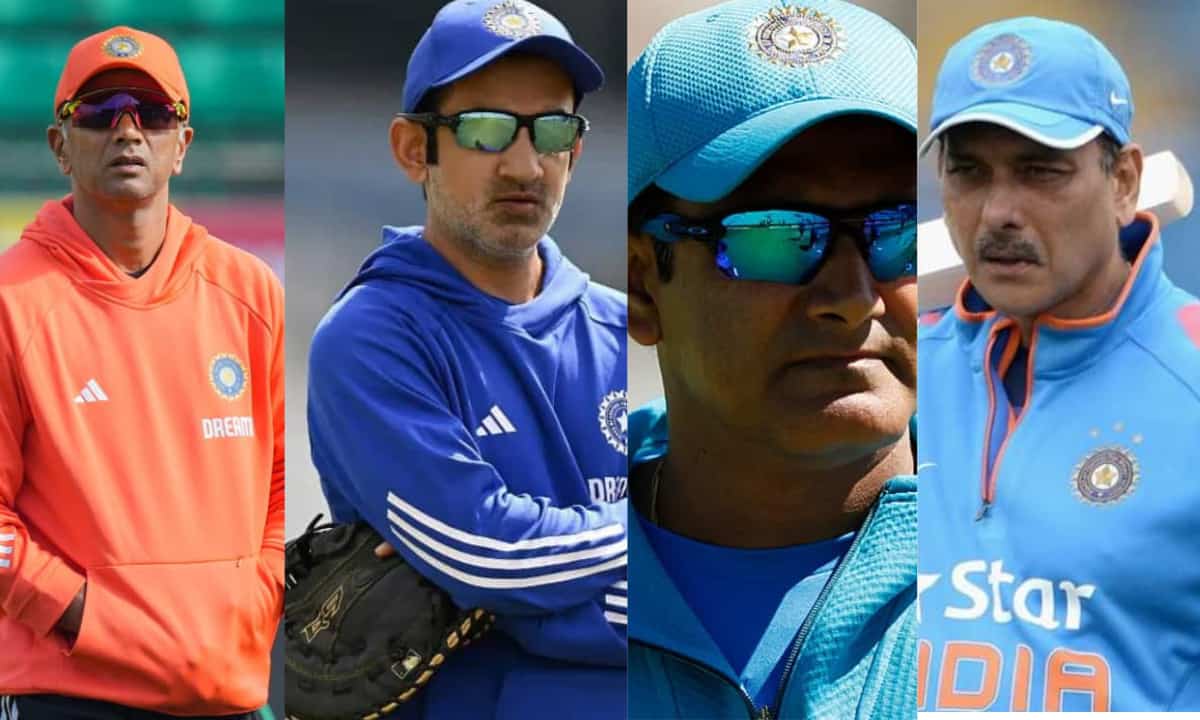
So if you’ve ever wondered who has been guiding Team India since the beginning, here is the full list of Indian cricket team coaches, men and women, from 1971 to 2026.
Quick Summary:
- India’s men’s team has had 17 head coaches since 1971
- The women’s team has had 13 coaches since 2003
- Gary Kirsten and Rahul Dravid are most fans’ picks for the best coaching stints
- Gautam Gambhir is the current head coach (2024–present)
- India won three World Cups under three different coaches
Key Highlights:
- John Wright was India’s first ever foreign head coach (2000–2005)
- India won its first Test series in Australia under Ravi Shastri’s setup
- Lalchand Rajput coached for barely a few months, yet left with a World Cup
- Rahul Dravid ended India’s 17-year T20 World Cup drought in 2024
- Amol Muzumdar is currently coaching the Indian women’s team
Full Indian Cricket Team Coaches List (Men’s Team: 1971–2026)
Before we get into the details, here is the complete picture at a glance. Every coach, every tenure, every headline achievement.
| Coach | Tenure | Nationality | Key Achievement |
|---|---|---|---|
| Raj Singh Dungarpur | 1971–1974 | India | Developed young talent |
| Hemu Adhikari | 1979–1980 | India | Focused on team unity |
| Bishen Singh Bedi | 1990–1991 | India | Improved bowling culture |
| Abbas Ali Baig | 1991–1992 | India | Backed young players |
| Ajit Wadekar | 1992–1996 | India | Stronger home results |
| Madan Lal | 1996–1997 | India | All-round game improvement |
| Anshuman Gaekwad | 1997–1999, 2000 | India | Better team cohesion |
| Kapil Dev | 1999–2000 | India | High-energy team approach |
| John Wright | 2000–2005 | New Zealand | 2003 World Cup final, overseas wins |
| Greg Chappell | 2005–2007 | Australia | Youth push, mixed results |
| Lalchand Rajput | 2007 | India | Won first T20 World Cup |
| Gary Kirsten | 2008–2011 | South Africa | 2011 ODI World Cup, No.1 Test ranking |
| Duncan Fletcher | 2011–2015 | Zimbabwe | 2013 Champions Trophy |
| Ravi Shastri | 2014–2016, 2017–2021 | India | First Test series win in Australia |
| Anil Kumble | 2016–2017 | India | Strong home Test record |
| Rahul Dravid | 2021–2024 | India | 2024 T20 World Cup |
| Gautam Gambhir | 2024–present | India | Ongoing tenure |
Indian Cricket Head Coach List from 1971 to 2026
Raj Singh Dungarpur (1971–1974)
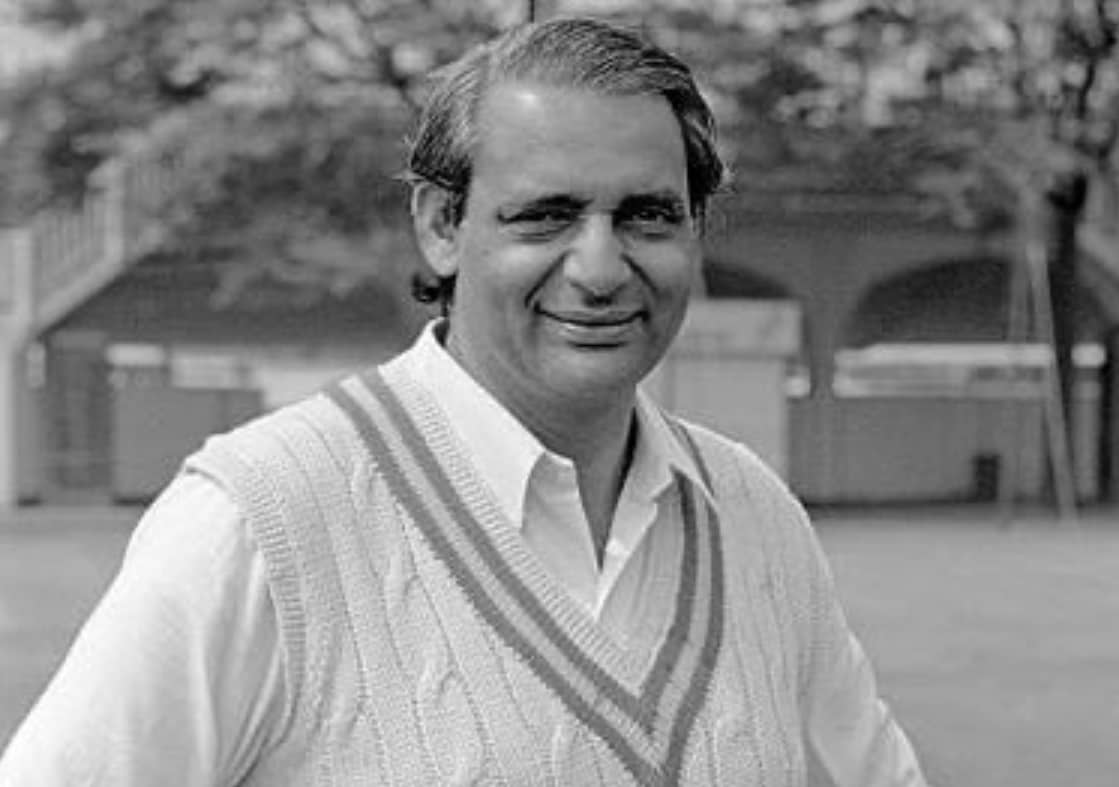
Most fans don’t know this name, and that is a shame. Dungarpur was among the first to take Indian cricket coaching seriously.
There was no blueprint back then. He just worked with the talent in front of him and tried to help young players grow. That took quite dedication, not headlines.
Hemu Adhikari (1979–1980)
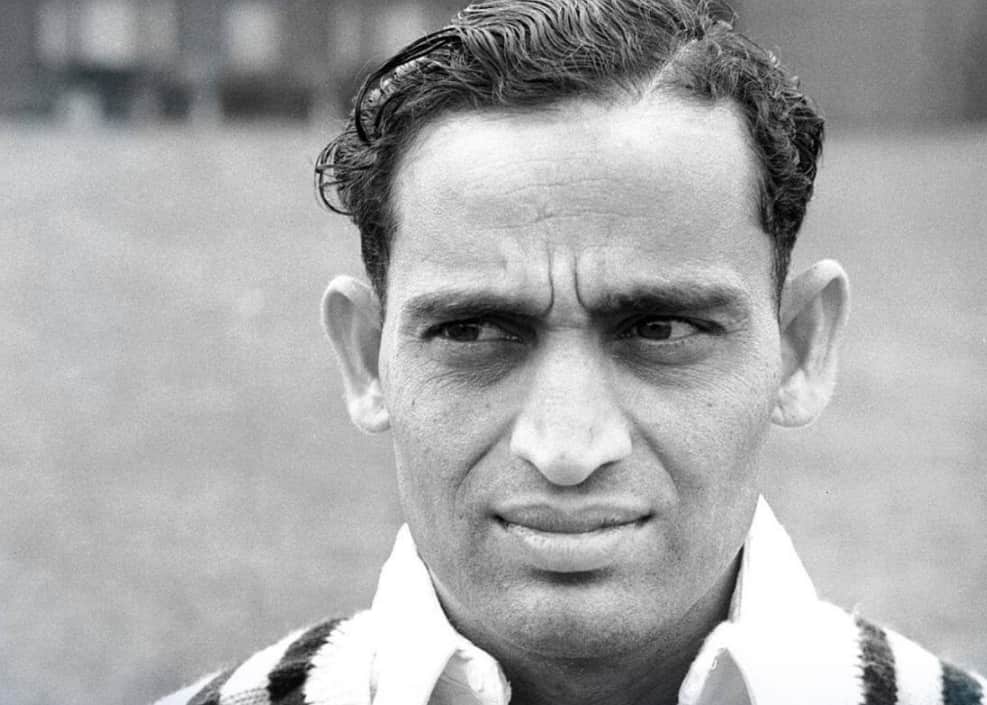
Adhikari had a short run, just about a year. His focus was on getting players to work as a team rather than as individuals.
Nothing flashy, nothing dramatic. But building that base matters more than people think.
Bishen Singh Bedi (1990–1991)
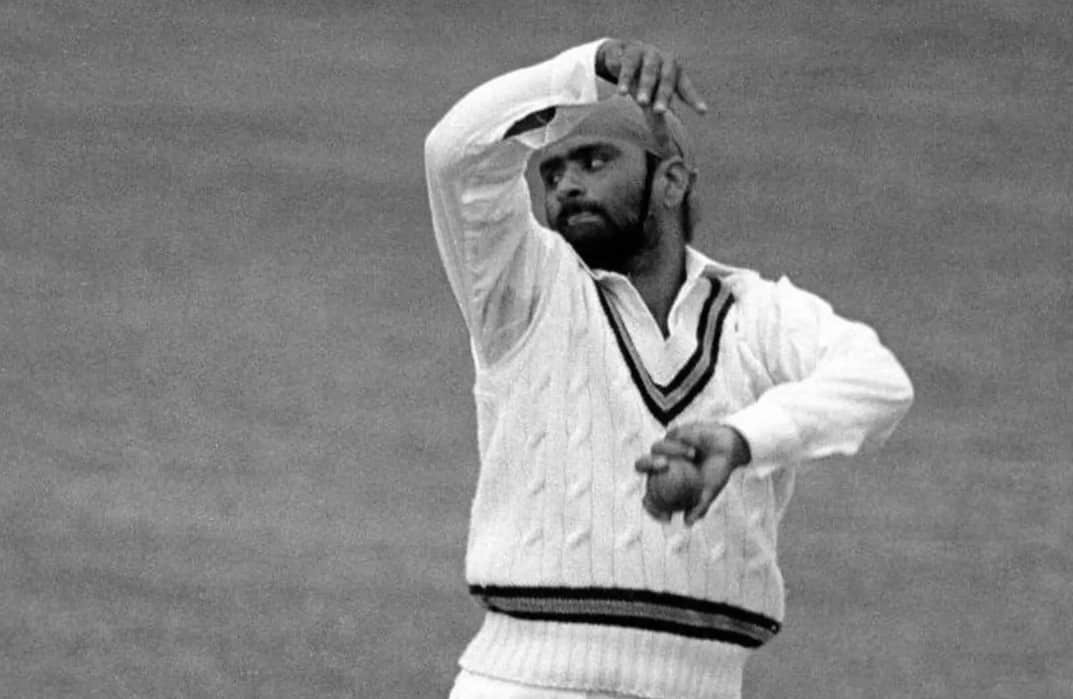
If you know Bedi as a player, you know he was obsessed with bowling. As a coach, he brought that same mindset.
India’s bowling was always seen as the weaker department compared to batting, and Bedi tried hard to change that.
He did not have long enough to fully fix it, but the intent was clear.
Abbas Ali Baig (1991–1992)
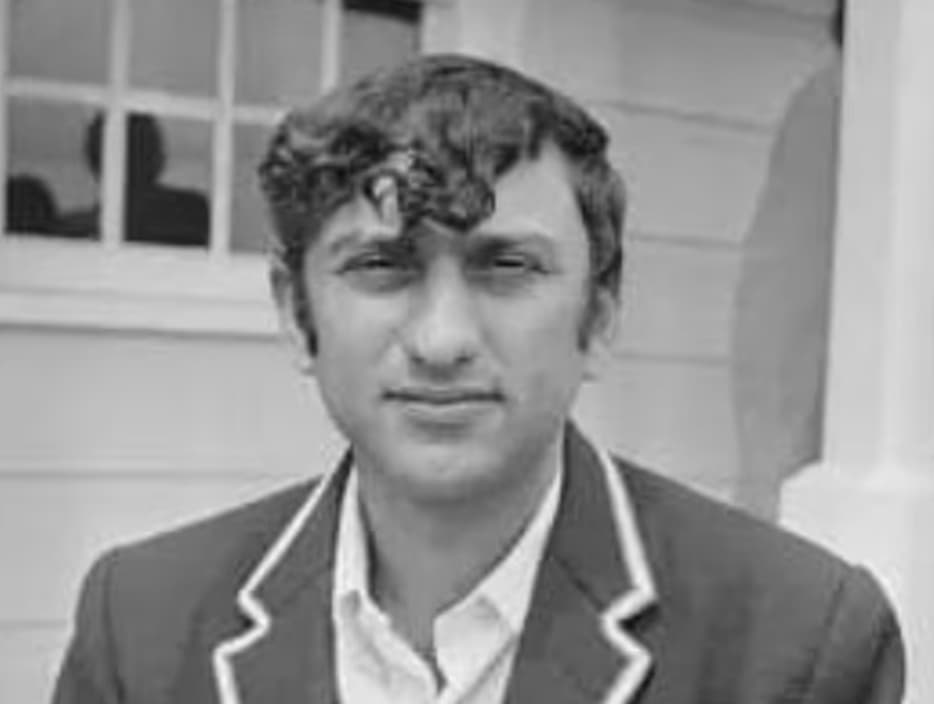
Baig was in and out in a year, but he used that time to push for young players.
In hindsight, investing in youth is always the right call, even when results don’t come immediately. His instinct was good.
Ajit Wadekar (1992–1996)
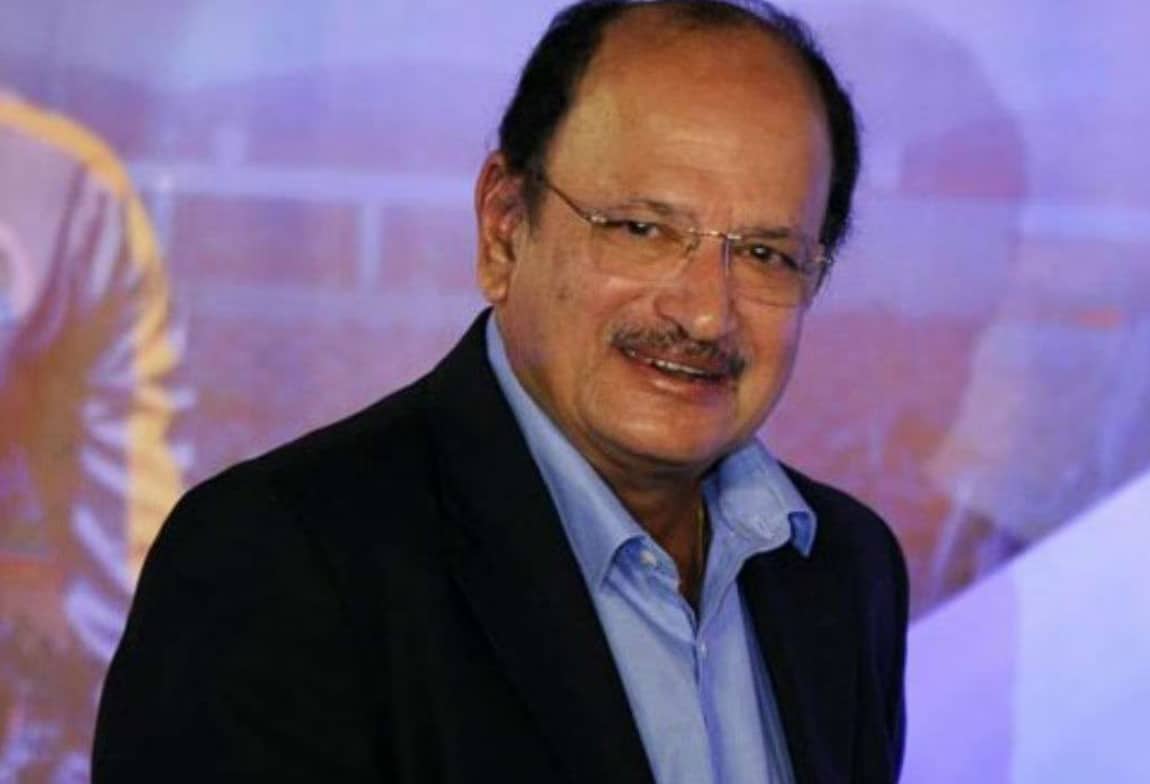
Wadekar is underrated as a coach. Four years is a decent run, and India got better at home during his time.
He understood Indian conditions well, which made sense given his playing background.
The 1996 World Cup ended things badly, but his overall record deserves more credit than it gets.
Madan Lal (1996–1997)
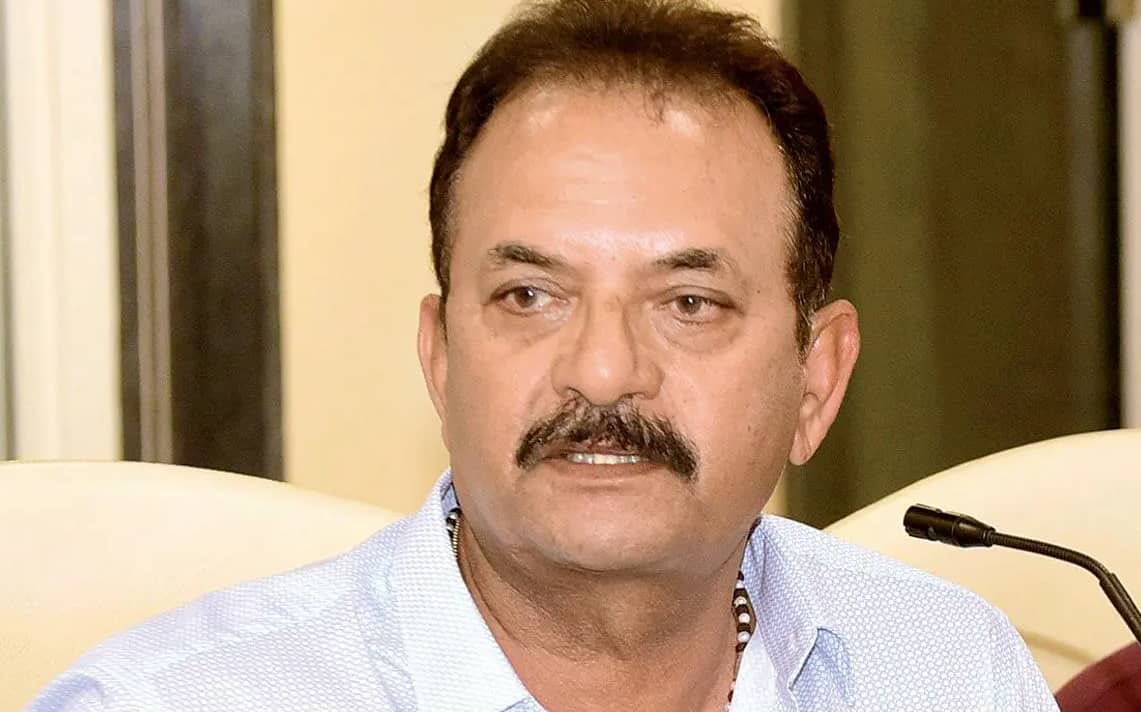
Here’s a man who knew pressure. Madan Lal had bowled India to the 1983 World Cup title as a player.
As a coach, he tried to make the team more complete across all formats.
One year is not enough time to judge anyone fairly, but he gave it a real go.
Anshuman Gaekwad (1997–1999, 2000)
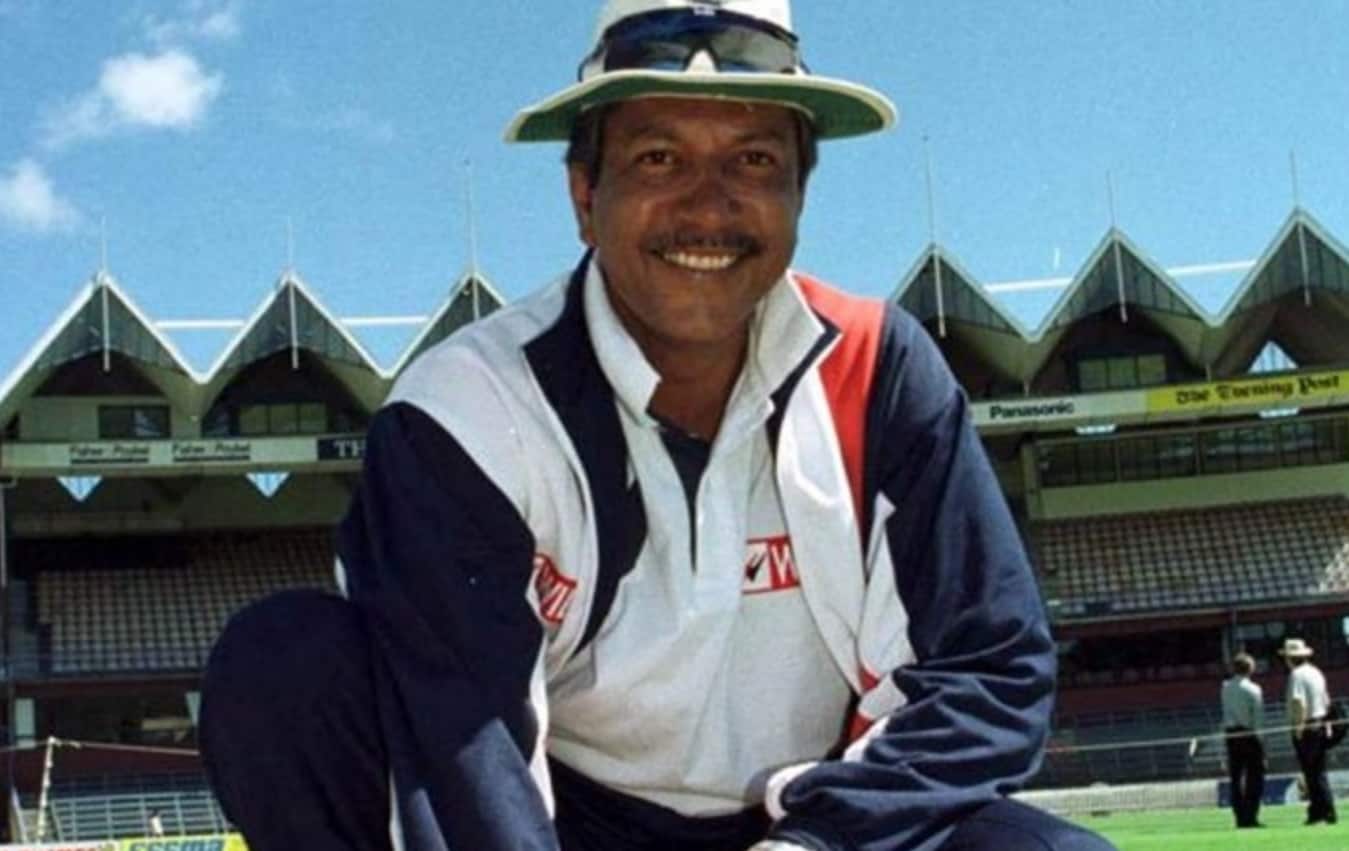
Coming back for a second stint says something. Gaekwad was trusted to steady things when they needed steadying.
He was not a flashy coach, but stability has its own value in a team that can sometimes feel chaotic from the outside.
Kapil Dev (1999–2000)
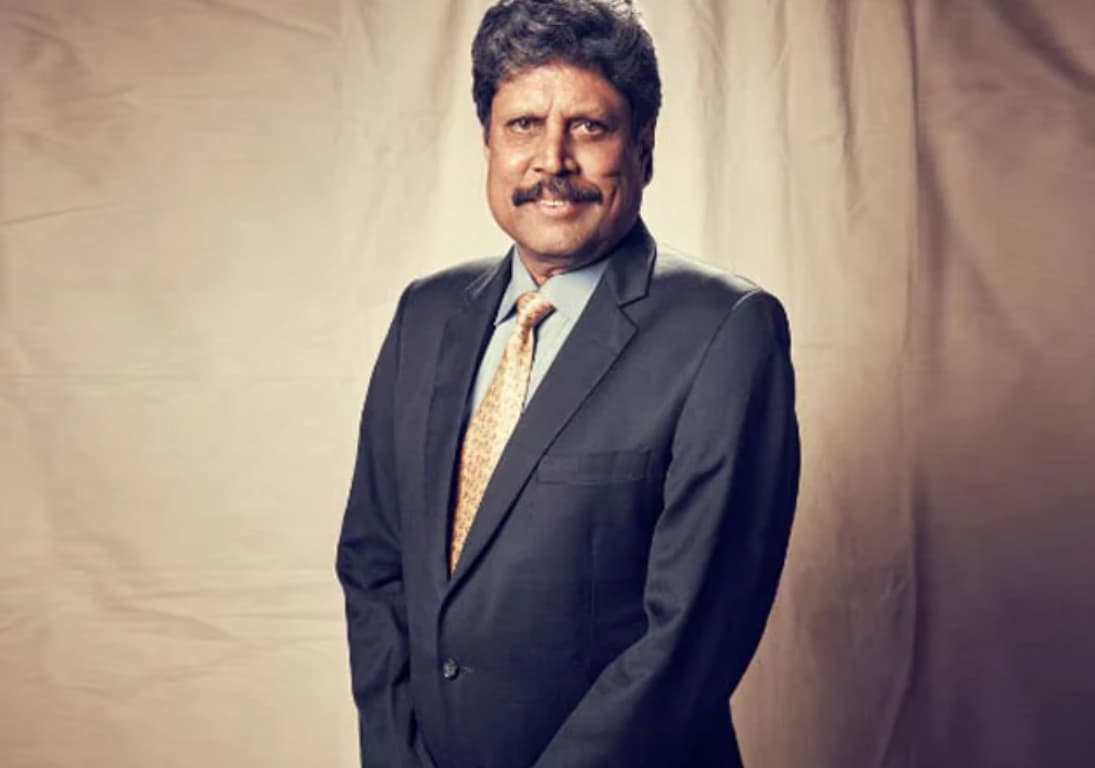
This is a tricky one. Kapil Dev, as a player, was one of the greatest India has ever produced.
As a coach, he wanted to bring that same fire and belief to the team.
The problem is that what works as a player does not always translate to the dressing room.
He left under a cloud of controversy, which is sad, because his passion for Indian cricket was never in doubt.
John Wright (2000–2005)
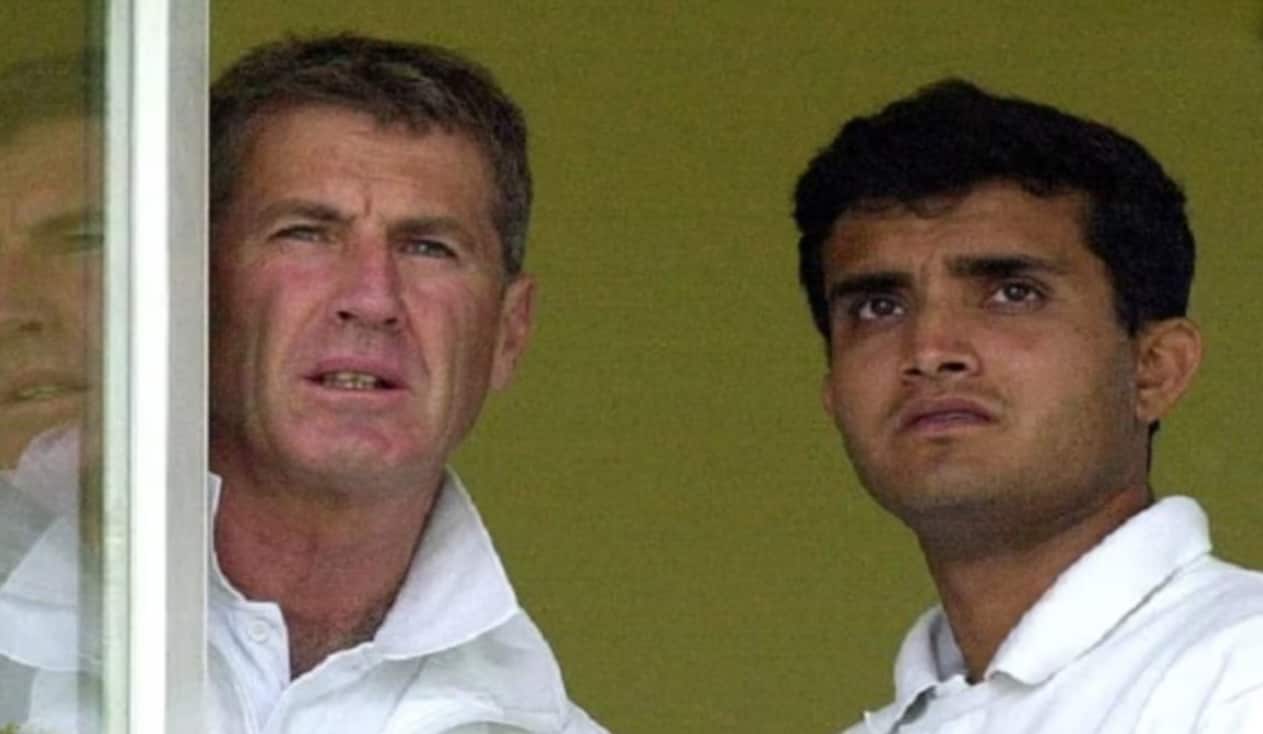
Wright changed things. Quietly, steadily, but clearly. He was India’s first foreign coach, and some fans were not happy about that at the time.
But Wright earned respect quickly. He brought structure, he backed senior players, and he helped India start winning in conditions that had always hurt them before.
The 2003 World Cup final run was a real achievement. Five years is a long and successful stint by any measure.
Greg Chappell (2005–2007)
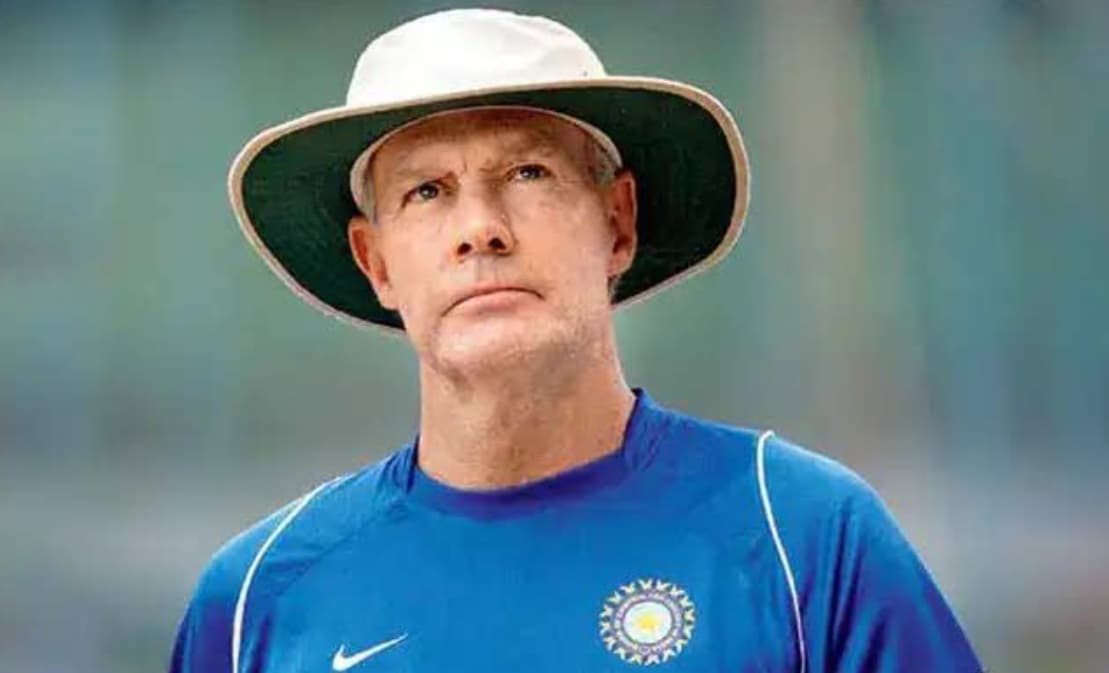
This one still divides opinion, and honestly, it probably always will. Chappell had good ideas about building a younger, more aggressive Indian team.
But the way he went about it created too much friction. Players were unhappy.
The dressing room felt unsettled. When India crashed out of the 2007 World Cup early, it was the end.
His tenure is a reminder that what you do matters, but how you do it matters just as much.
Lalchand Rajput (2007)
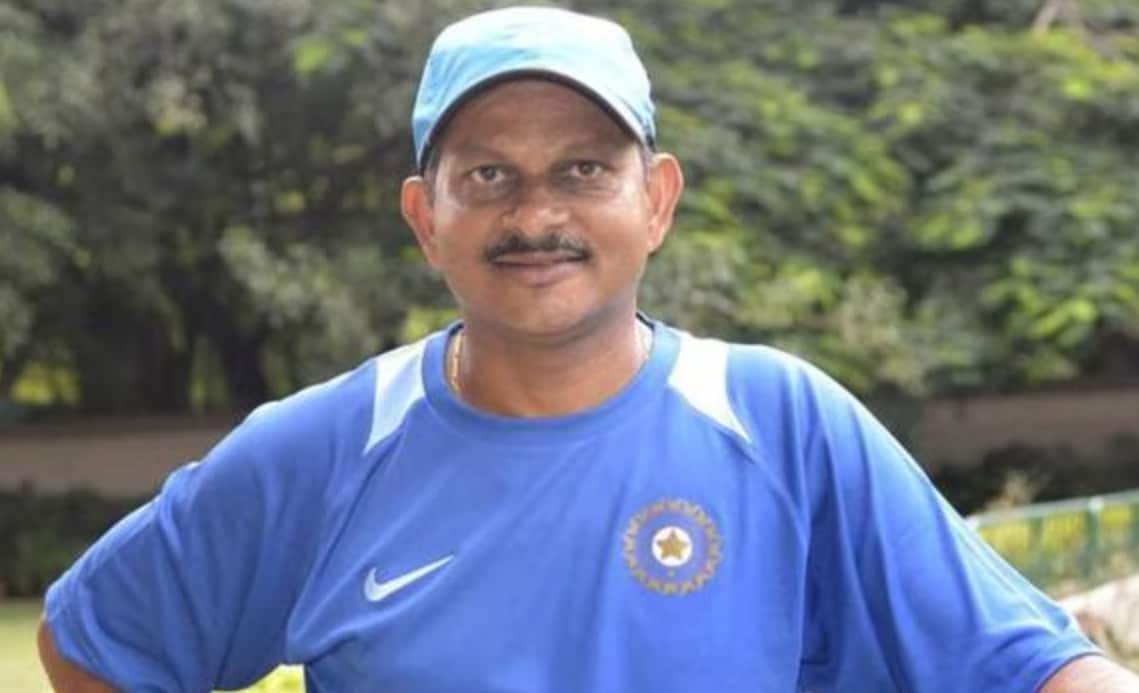
Let’s talk about one of cricket’s most underappreciated stories.
Rajput was the coach for just a few months. In that time, India won the inaugural T20 World Cup.
That is a trophy that changed world cricket. He rarely gets enough credit for it.
The victory is usually remembered through the players, not the coach.
That says more about how we talk about coaching than about Rajput’s actual contribution.
Gary Kirsten (2008–2011)
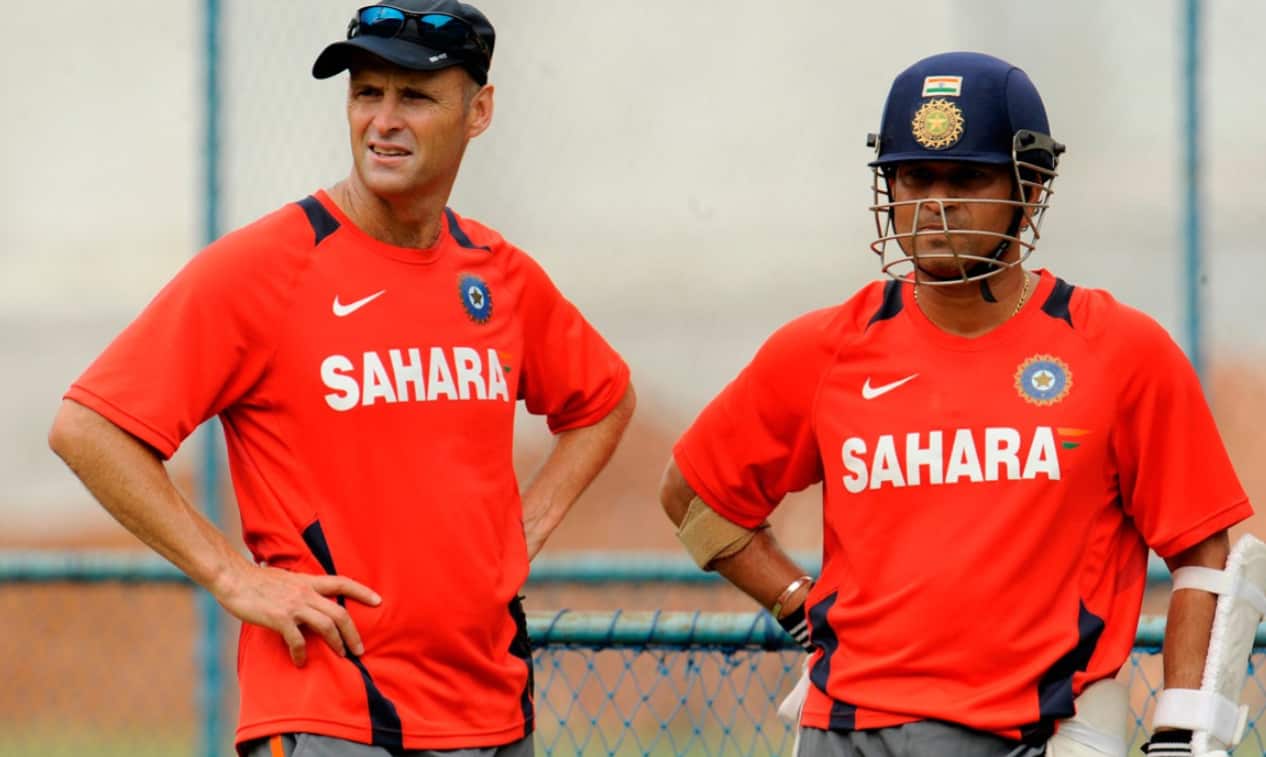
If you had to pick one era where Indian cricket truly arrived as a global powerhouse, most fans would point here.
Kirsten was calm, thoughtful, and player-focused. He did not need to be the loudest voice in the room.
He built trust, and that trust produced results. The 2011 World Cup win at Wankhede is one of cricket’s great moments, and Kirsten’s steady hand was a big part of it.
Reaching the top of the Test rankings made it even better. He left on his own terms, which is perhaps the cleanest ending any Indian coach has had.
Duncan Fletcher (2011–2015)
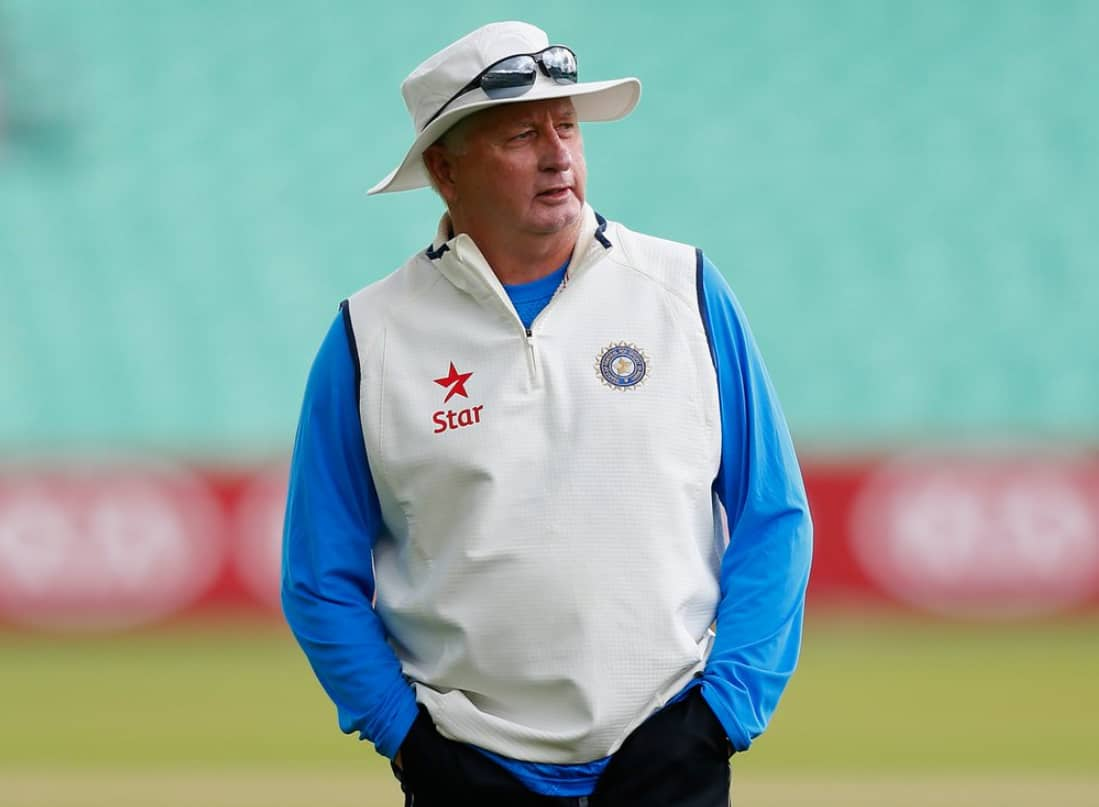
Fletcher is hard to assess fairly. He won the 2013 Champions Trophy, which tends to get overlooked. But India’s struggles on away tours, especially in England and Australia, were hard to ignore.
There were also questions about team selection and communication. Four years is a long time for results that felt mixed. In fairness, the squad he was handed had challenges, and he was working in a complex cricket environment.
Anil Kumble (2016–2017)
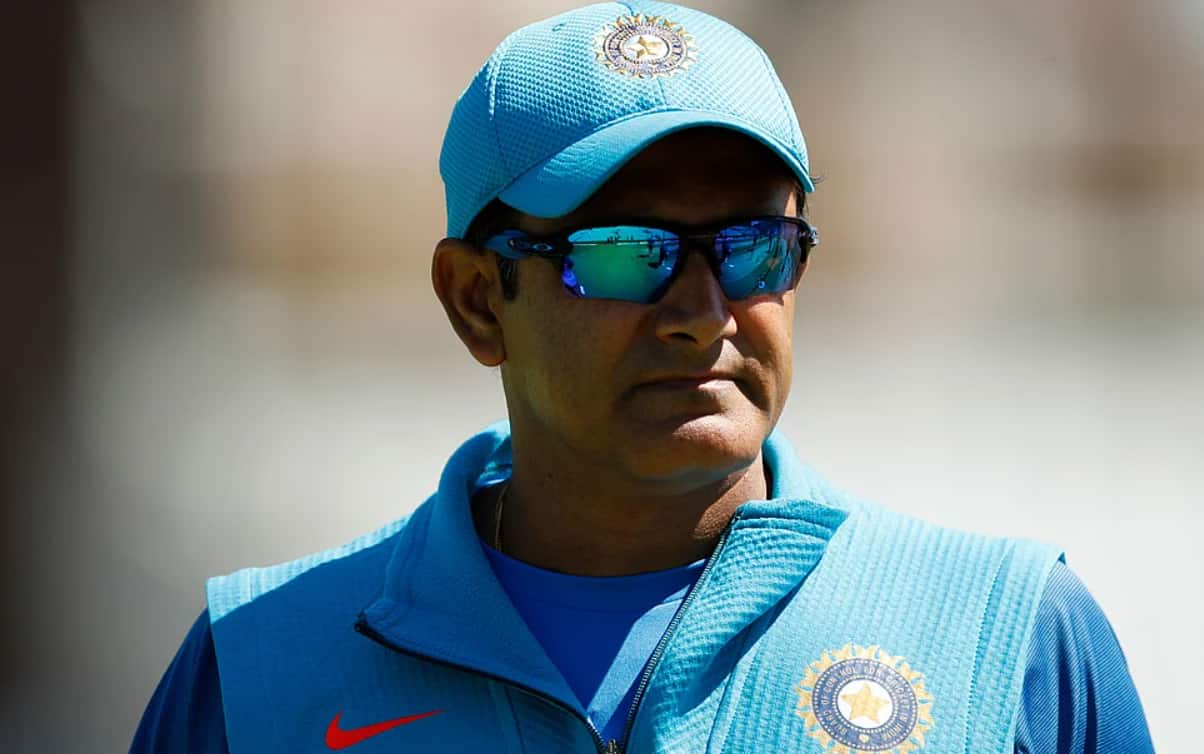
Kumble, as a coach, was fascinating for about twelve months. India won at home consistently. His knowledge of the game was beyond question.
But the falling out with the captain became very public, and when that happens, the coach rarely survives.
It was a waste of real talent, honestly. A longer, more settled run might have produced something special.
Ravi Shastri (2014–2016, 2017–2021)
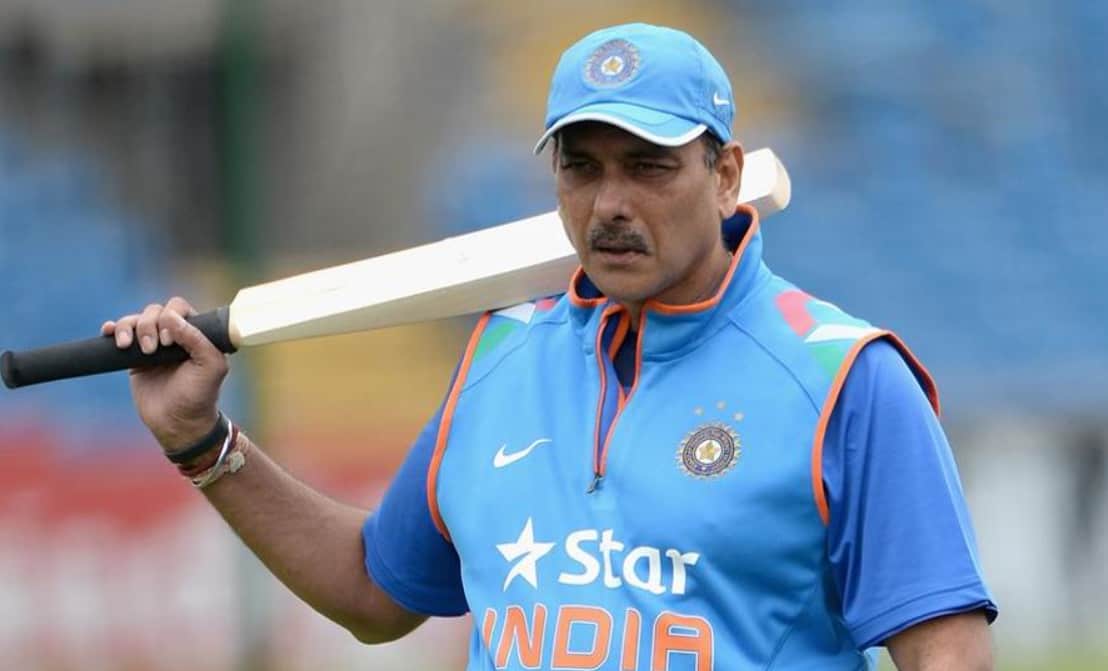
Say what you like about Shastri, the man got results when it counted. Winning a Test series in Australia was something no Indian team had managed before. That matters.
The team under his second stint was fearless abroad in a way that had not always been true.
He stepped down after the 2021 T20 World Cup, which was the right call given how that tournament went. His record in Australia alone earns him a place among India’s better coaches.
Rahul Dravid (2021–2024)
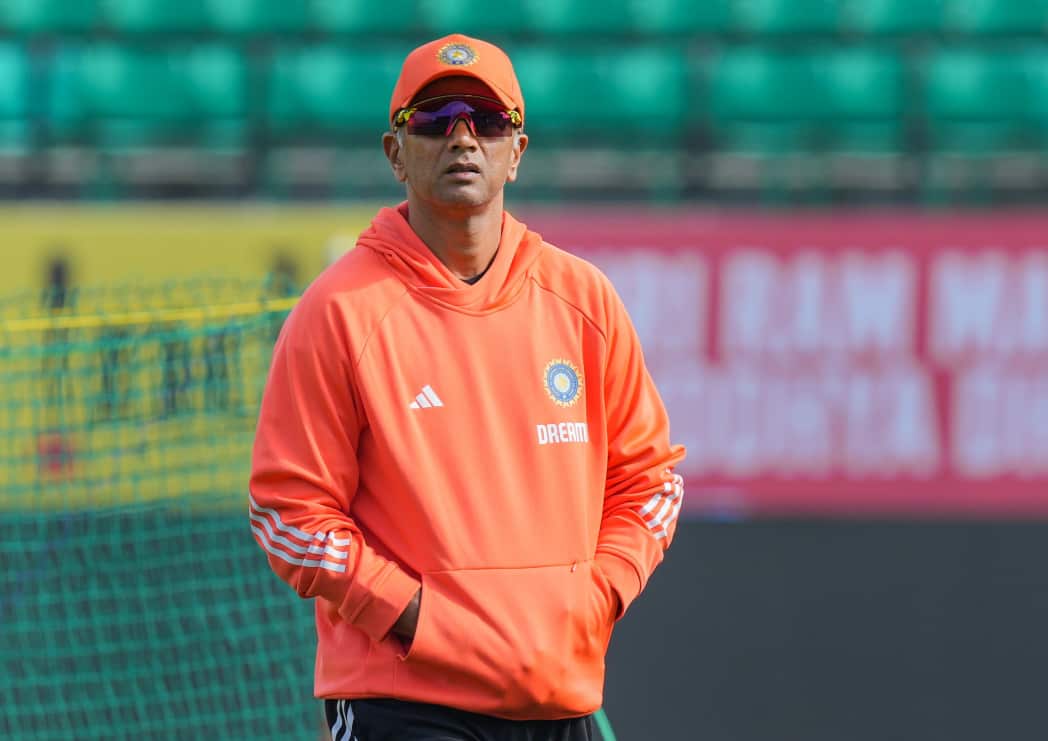
Dravid brought something different to the role: patience. He managed a large squad carefully, rotated players, and kept building for the long term even when some fans wanted a more aggressive selection.
The 2024 T20 World Cup win was the reward for all that quiet planning. Ending a 17-year wait for a World Cup trophy is no small thing. His contract ended on a high note, which is exactly how a coach of his quality deserved to leave.
Gautam Gambhir (2024–Present)
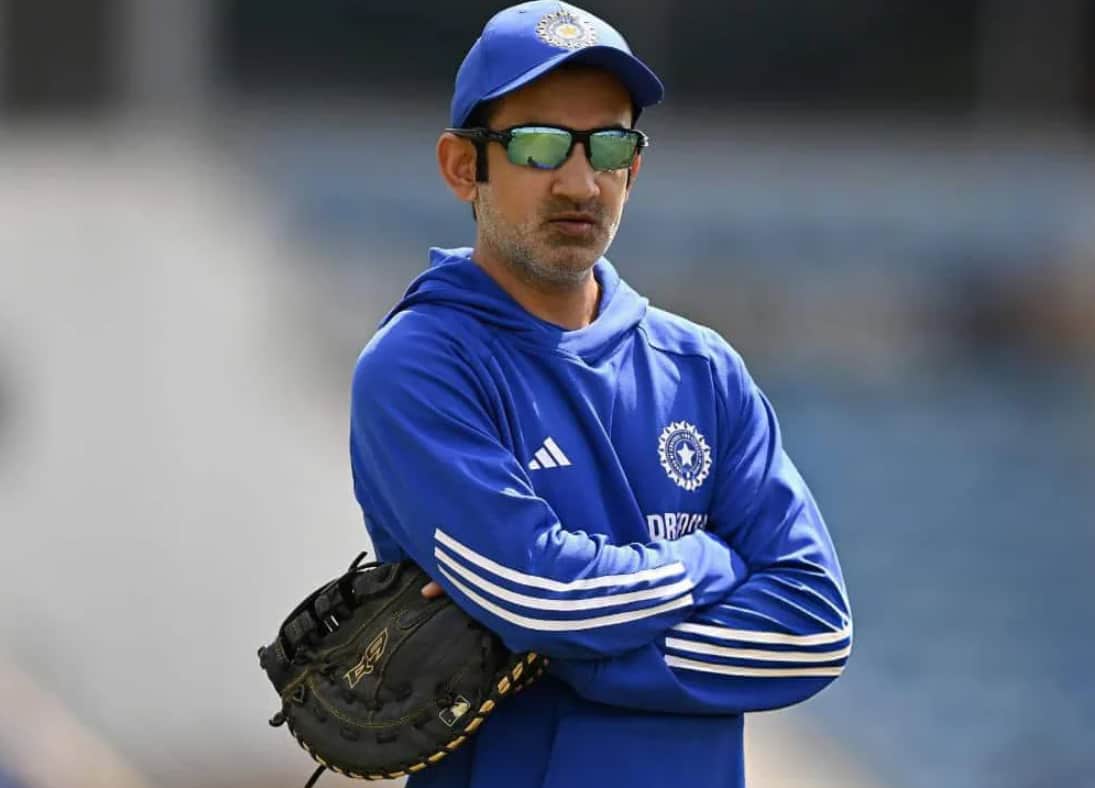
Gambhir is the new head coach of the Indian cricket team, and early signs have been mixed. He is intense, direct, and not one to sugarcoat things.
That energy can be a strength. Whether it translates into consistent results is the question everyone is asking right now.
He has a big name and a big job. The next year or two will tell us a lot about what kind of coach he really is.
Indian Women’s Cricket Team: All Head Coaches
The women’s team does not get talked about enough when it comes to coaching history. That needs to change.
Here is the full list of all the cricket team coaches for India women.
| Coach | Tenure | Nationality |
|---|---|---|
| Sudha Shah | 2003–2007 | India |
| Shantha Rangaswamy | 2003–2007 | India |
| Sudha Shah | 2008–2010 | India |
| K.V.P. Rao | 2010 | India |
| Anju Jain | 2011–2013 | India |
| Tushar Arothe | 2013–2014 | India |
| Purnima Rau | 2014 | India |
| Sudha Shah | 2014 | India |
| Purnima Rau | 2015–2017 | India |
| Tushar Arothe | 2017–2018 | India |
| Ramesh Powar | 2018 | India |
| WV Raman | 2018–2021 | India |
| Ramesh Powar | 2021–2022 | India |
| Amol Muzumdar | 2023–present | India |
Amol Muzumdar is currently the women’s head coach and the Indian cricket team coach for the women’s side in 2026.
He is a respected name in Indian domestic cricket. The women’s program has had far more coaching changes than the men’s side, which has sometimes hurt long-term planning. Stability here would be welcome.
My Take: The Coaches Who Truly Moved the Needle
Not every coach gets a fair chance. Not every coach who wins deserves all the credit. Here is an honest take on who genuinely made a difference.
- Gary Kirsten is the gold standard. He came in when India had the batting firepower but lacked the mindset for away Tests. He changed that. Players like Virat Kohli and Rohit Sharma came into their own under his watch. The 2011 World Cup trophy is the obvious headline, but the No.1 Test ranking might be the more impressive achievement.
- Rahul Dravid deserves more praise than he gets. People forget how patient his approach was. He was told to win now, but he also kept building for later. Managing a squad of 20-plus players across three formats is genuinely hard. He did it without much drama, which is rare at that level.
- Ravi Shastri is underrated outside India. International cricket media often overlooked his contribution. But walking into teams’ home grounds and winning Test series the way India did in Australia, that does not happen without serious coaching work behind the scenes.
- Greg Chappell had good ideas, bad execution. The intent to bring in youth was right. The process was the problem. How you communicate changes in a high-pressure dressing room matters enormously. That lesson is still relevant today.
- Lalchand Rajput deserves a trophy cabinet mention. Seriously. He coached India for a few months and left with a World Cup. That does not get brought up enough in coaching conversations.
Indian Cricket Team Coach Salary: The Numbers Behind the Role
The Indian cricket team coach salary is not officially published by the BCCI. But based on what has been reported over the years, the head coach earns several crore rupees annually.
Given that the BCCI is the richest cricket board in the world, it pays accordingly to attract and keep quality staff.
The current support staff alongside Gambhir includes Morne Morkel as bowling coach and T Dilip as fielding coach. Each specialist coach adds to the overall salary spend.
The BCCI’s ability to pay top rates is one reason why coaching the Indian team is considered one of the most prestigious jobs in world cricket, and also one of the most pressure-filled.
Indian Cricket Team Coach List 2026: Who’s in the Setup Right Now
For anyone checking the Indian cricket team coach list 2026, here is the current picture:
- Head Coach: Gautam Gambhir
- Bowling Coach: Morne Morkel
- Fielding Coach: T Dilip
- Women’s Head Coach: Amol Muzumdar
Gambhir brings direct experience of winning as a player at the highest level.
He scored key runs in both the 2007 T20 World Cup and the 2011 ODI World Cup.
Translating that winning mindset into coaching is his main challenge right now.
Key Coaching Achievements: A Quick Timeline
| Year | Achievement | Coach |
|---|---|---|
| 2003 | ODI World Cup Final | John Wright |
| 2007 | T20 World Cup Win | Lalchand Rajput |
| 2011 | ODI World Cup Win | Gary Kirsten |
| 2013 | Champions Trophy Win | Duncan Fletcher |
| 2018–19 | First Test Series Win in Australia | Ravi Shastri |
| 2024 | T20 World Cup Win | Rahul Dravid |
Each win on that list came from a different setup, a different coach, a different squad. That variety is actually a strength. India has not been a one-system team. Different coaches brought different solutions at different times.
Final Thought:
Fifty years of coaching history show one thing clearly: there is no single template for a great Indian coach.
Wright was quiet and disciplined. Shastri was loud and motivating. Kirsten was calm and trusted. Dravid was structured and patient.
What they all had in common was that they respected the players and made decisions for the team first.
Gambhir is only just getting started. Whether he writes his name into this list as one of the greats, or whether he becomes a cautionary tale about transition, only time and results will tell.
But one thing is certain: whoever coaches this team carries one of the biggest jobs in sport.
And the coaches list you’ve just read is proof of how much this role has shaped Indian cricket, quietly, consistently, and over decades.
FAQs:
- Who is the new head coach of the Indian cricket team?
Gautam Gambhir took over as head coach in 2024 after Rahul Dravid’s contract ended following the T20 World Cup win. He is a former India player with two World Cup winner medals as a batter.
- Who is the best coach of the Indian cricket team?
Most fans and analysts would say Gary Kirsten, based on the 2011 World Cup win and India reaching the No.1 Test ranking during his tenure. Rahul Dravid’s 2024 T20 World Cup win puts him in close conversation for that title.
- Who was India’s first foreign head coach?
John Wright of New Zealand was India’s first foreign head coach, from 2000 to 2005. He changed how India approached away tours and helped build a more disciplined team culture.
- What is the Indian cricket team coach salary?
The BCCI does not publish exact salary figures, but the head coach earns several crore rupees per year. It is widely regarded as one of the highest-paying coaching roles in world cricket.
- Who coaches the Indian women’s cricket team in 2026?
Amol Muzumdar is the current head coach of the Indian women’s team. He took charge in 2023 and is still in the role as of 2026.
Editor’s Choice:
About the Author