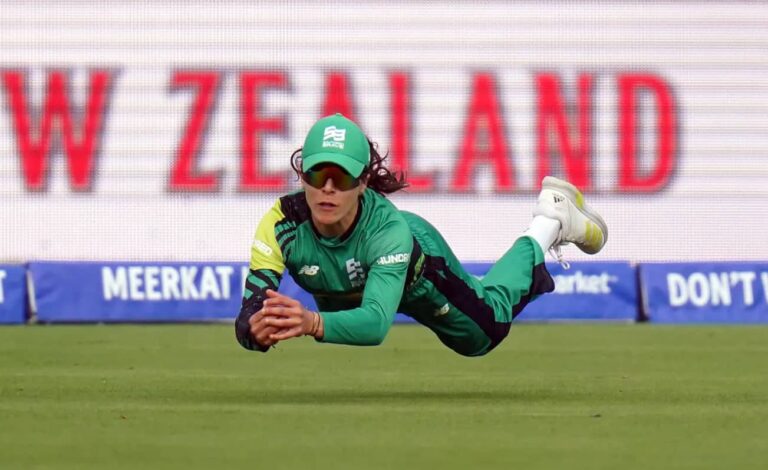
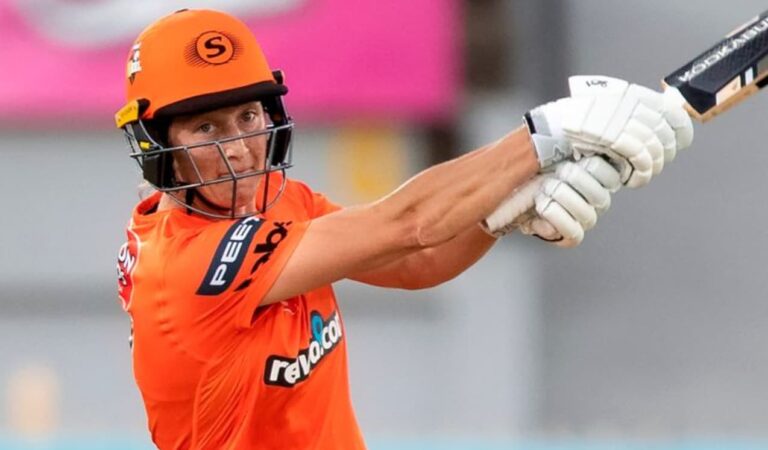
Building a squad for The Hundred isn’t as simple as picking your favourite players.
The tournament uses a three-stage system that gives teams multiple chances to find the right mix of talent.
The Hundred Player Selection Process Explained starts with direct signings, moves through a live auction, and finishes with the Vitality Wildcard.
Each stage has specific rules about how many players teams can sign and how much money they can spend.
Understanding this process matters because it shows why certain players end up at specific franchises and why others miss out completely.
The Hundred Player Selection Process

Stage One: Retentions and Direct Signings
The Hundred Player Selection Process kicks off months before the tournament starts.
Teams begin building squads through retentions and direct signings between mid-November and the end of January.
Each franchise can make up to four pre-auction signings.
These signings follow strict rules:
- Maximum three can be direct signings
- These must be overseas players or England centrally contracted players
- Minimum one must be a retention from the previous year’s squad
- The retention can be any player type (England contracted, overseas, or domestic)
Within those four slots, teams face additional limits:
- Up to two England centrally contracted players
- Up to two overseas players
This stage gives teams a foundation. They can lock in key players before the auction without competitive bidding. Smart teams use this window to secure core squad members at fixed prices.
Financial Impact of Early Signings
Every pre-auction signing costs money. The tournament uses a tiered system similar to the IPL. The more players you sign early, the more money gets deducted from your auction budget.
| Competition | Players Signed | Money Deducted |
|---|---|---|
| Men’s | 1 player | £350,000 |
| Men’s | 2 players | £650,000 |
| Men’s | 3 players | £850,000 |
| Men’s | 4 players | £950,000 |
| Women’s | 1 player | £130,000 |
| Women’s | 2 players | £240,000 |
| Women’s | 3 players | £310,000 |
| Women’s | 4 players | £360,000 |
The total salary pot increased significantly for 2026. Men’s teams get £2.05 million (a 45% rise).
Women’s teams receive £880,000 (a 100% increase).
After deductions for direct signings, teams enter the auction with different amounts of money remaining.
A men’s team that signed four players has £1.1 million left. A women’s team with four signings has either £520,000 or £570,000, depending on the exact deduction.
No Right to Match in 2026
One major change from previous years: teams don’t have a Right to Match option this season.
In earlier drafts, franchises could automatically keep a player by matching another team’s offer.
That safety net no longer exists. If you want a player, you either sign them in the direct signing window or bid for them in the auction.
This makes the retention and direct signing phase more important. It’s your only guaranteed chance to secure specific players without competition.
Stage Two: The Hundred Auction
The Hundred Player Selection Rules require teams to fill most of their roster through the auction. This is where the bulk of squad building happens.
The auction takes place in March 2026, after the direct signing window closes. Teams bid on players in a live event similar to the IPL auction.
Squad Size Requirements
Teams must purchase a minimum of 14 players through the auction for both men’s and women’s competitions. The maximum is 16 players.
Combined with the four possible direct signings, this means:
- Men’s teams will have 18-20 total players
- Women’s teams will have 18-20 total players
Actually, the reference says 14-16 through auction. So, final squads are smaller.
Let me recalculate based on the rules that say teams need to buy a minimum of 14, maximum 16 at auction, plus up to 4 direct signings.
So teams can have 14-20 total players, depending on how many they signed directly and how many they buy at auction.
How Auction Bidding Works?
The auction follows a structured order. Marquee players go first, followed by Tier One and Tier Two players.
Then, teams nominate players for a ranked bidding round. Finally, nominated players close out the auction.
Teams bid against each other for every player. The highest bidder wins.
There’s no draft order giving weaker teams first pick. It’s purely about who’s willing to pay the most.
Players set reserve prices beforehand. This is the minimum amount a team must bid to sign them.
If no team meets the reserve price, the player goes unsold.
Budget Management During Auction
Teams enter the auction with whatever money remains after direct signings.
They must spread this across 14-16 players while staying under the salary cap.
This creates strategic tension. Spend big on a few stars, and you’re forced to fill remaining spots with bargain signings.
Spread money evenly, and you might lack match-winners.
Smart teams arrive with a plan. They know their maximum price for each target player and have backup options ready.
Teams that improvise often overpay when multiple franchises chase the same player.
Stage Three: The Vitality Wildcard
How The Hundred Player Selection Works doesn’t end with the auction. One final mechanism exists: the Vitality Wildcard.
This wildcard gets decided closer to The Hundred’s start date. It rewards players who perform well in the Vitality Blast (both men’s and women’s competitions).
The wildcard strengthens the connection between The Hundred and domestic cricket.
Players who didn’t get picked in the direct signing window or auction can still earn contracts through strong Blast performances.
Think of it like this: imagine a young domestic bowler who went unsold at the auction in March.
Then, in June, during the Vitality Blast, they took 15 wickets in four matches.
Suddenly, they’re on franchises’ radar. The wildcard lets teams sign these in-form players before The Hundred starts.
This benefits everyone. Players get second chances. Teams can add form players who’ve proven themselves just before the tournament.
Fans see current performers rather than players selected months earlier who might be struggling.
Understanding Overseas Player Limits
A common question: how many overseas players are allowed in The Hundred playing 11?
The reference material doesn’t specify the playing XI limit, only that teams can sign up to two overseas players in the direct signing phase.
However, like most franchise tournaments, The Hundred typically restricts overseas players in the playing XI to maintain competitive balance and promote domestic talent.
Based on standard franchise cricket formats, teams likely have a limit of 3-4 overseas players in the playing XI, though the exact rule isn’t specified in the reference material.
What we know for certain:
- Teams can sign a maximum of two overseas players through direct signings
- Additional overseas players can be bought at auction
- The total roster can include multiple overseas players
- Playing XI will have restrictions (though the exact number is not specified)
This structure ensures teams don’t just stack their lineups with international stars. Domestic players get meaningful opportunities.
Expert Insight: Why the Three-Stage System Works?
The three-stage selection process creates interesting strategic layers that most fans don’t notice.
Direct signings reward planning. Teams that identify key players early and negotiate reasonable deals gain advantages.
They secure players without auction competition and save money for later stages.
The auction rewards boldness and preparation. Teams willing to pay premium prices for stars can dominate.
But teams that find value in overlooked players build depth efficiently.
The wildcard rewards flexibility. Franchises that adapt to current form rather than relying purely on March auction decisions can upgrade their squads with hot-streak players.
Watch how different teams use each stage. Some franchises will spend heavily on direct signings, securing expensive stars before the auction.
Others will save money, aiming to dominate auction bidding. A few might hold the budget back entirely, planning to exploit the wildcard market.
There’s no single correct strategy. It depends on player availability, budget management, and how well you scout talent before others notice them.
My Take: Direct Signings Determine Auction Success
The retention and direct signing window is more important than most people realize.
Get this stage right, and you enter the auction in a strong position. Mess it up, and you’re playing catch-up.
Teams that secure balanced direct signings (one top batter, one quality bowler, one all-rounder, one domestic talent) can afford to be selective at auction.
They already have a foundation. They can wait for value rather than panic-buying when prices spike.
Teams that waste their direct signings on overpaid big names or unbalanced positions struggle.
They enter the auction needing multiple specific player types and get exploited by smarter franchises who drive up prices on those exact categories.
The wildcard adds a final safety valve. But relying on it means gambling that the specific player type you need will have a great Vitality Blast. That’s not strategy, that’s hope.
Frequently Asked Questions
- How many players can teams sign before the auction?
Teams can make up to four pre-auction signings. At least one must be a retention from the previous year’s squad.
- What’s the total salary cap for teams?
Men’s teams have £2.05 million total. Women’s teams have £880,000 total. These amounts include both direct signings and auction purchases.
- Can teams sign players after the auction ends?
Yes, through the Vitality Wildcard. Players who perform well in the Vitality Blast can earn contracts even if they went unsold at the auction.
- How many players must teams buy at auction?
Teams must purchase a minimum of 14 players at auction. The maximum is 16 players.
- Do teams keep the same players from last year?
Only if they use a retention slot. Teams can retain one player from the previous year’s squad as part of their four direct signings.
Wrapping Up
The Hundred Player Selection Process uses three distinct stages to build squads.
Direct signings come first, giving teams early control over key positions.
The auction fills most rosters through competitive bidding.
The Vitality Wildcard provides a final opportunity to add in-form players.
Understanding this system explains why certain players end up at specific franchises.
It’s not random. It’s a combination of early planning, auction strategy, and late adaptation to current form.
Teams that master all three stages build balanced squads efficiently.
Teams that excel at only one or two stages end up with expensive gaps or overpaid players who underperform.
About the Author