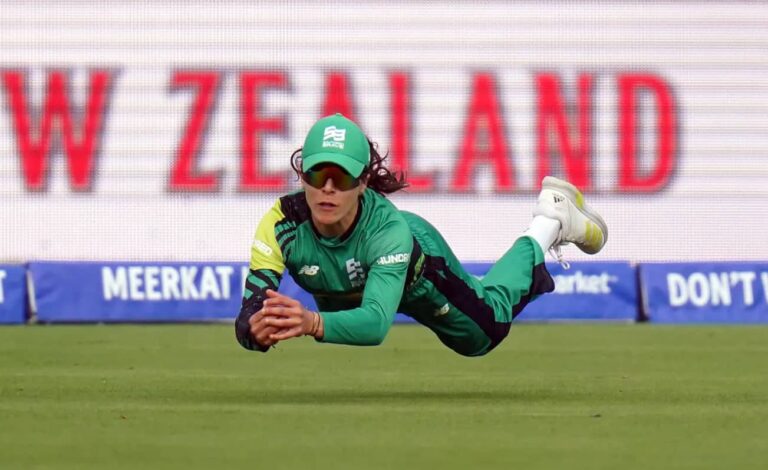
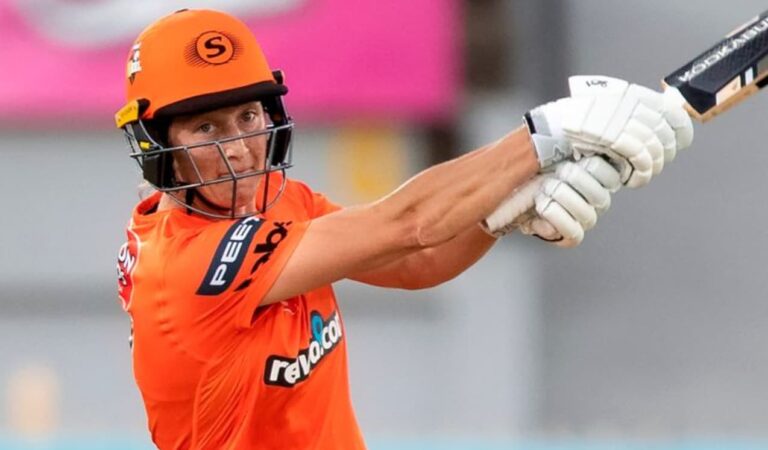
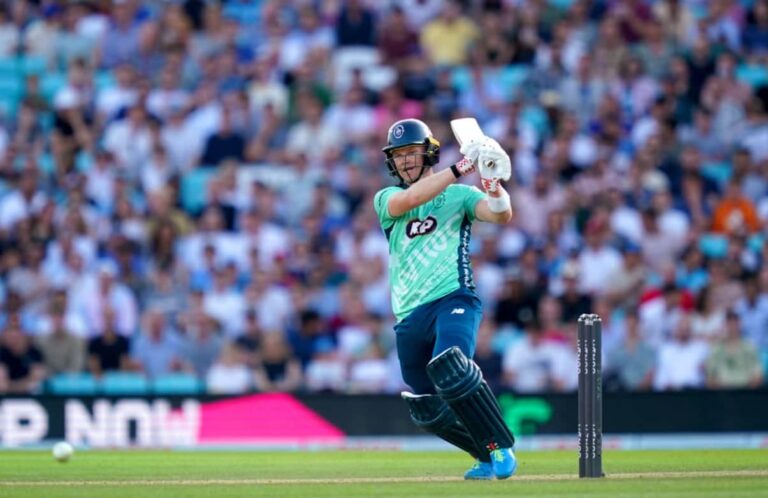
The Hundred changed hands in a big way before 2026. All eight franchises got new investors, and for the first time, the tournament switched to an IPL-style auction instead of the old draft system.
The ownership shake-up brought Indian companies and American investors into the mix. Four teams now have ties to IPL owners.
The other four have American backing. Some teams kept their names. Others got complete rebrands with new logos and kits.
This marks a shift for English cricket’s newest format. The investment deals closed in October 2025. The new owners got operational control and made changes fast.
The Hundred Team Owners List
What Changed With The Hundred Ownership?
The England and Wales Cricket Board (ECB) sold stakes in all eight franchises.
Counties kept partial ownership, but investors took control of operations.
Previous editions used a draft to build squads. That’s gone now. The 2026 auction happened at Piccadilly Lights in central London.
Players went into three tiers: Hero, Ranked, and Nominated. Franchises bid on them one by one.
The tournament starts July 21, 2026. By then, every team will have a new look.
Complete List of The Hundred Team Owners
| Franchise Name | Primary Owner | Ownership Split | County Partner |
|---|---|---|---|
| Birmingham Phoenix | Knighthead Capital Management (USA) | 49% Knighthead, 51% Warwickshire | Warwickshire |
| London Spirit | Tech Titans (USA) | 49% Tech Titans, 51% MCC | Marylebone Cricket Club |
| Manchester Super Giants | RPSG Group (India) | 70% RPSG, 30% Lancashire | Lancashire |
| Sunrisers Leeds | Sun Group (India) | 100% Sun Group | Yorkshire (former) |
| MI London | Reliance Industries (India) | 49% Reliance, 51% Surrey | Surrey |
| Southern Brave | GMR Group (India) | Partnership with Hampshire | Hampshire |
| Trent Rockets | Chelsea Owners + Nottinghamshire | Shared ownership | Nottinghamshire |
| Welsh Fire | Sanjay Goval (India-USA) | 50% Goval, 50% Glamorgan | Glamorgan |
Four Teams Under Indian Ownership
Half the league now has connections to the Indian cricket business.
- Manchester Super Giants got the biggest stake sale. RPSG Group bought 70% of the shares. They also own the Lucknow Super Giants in the IPL. Lancashire kept 30%. The team was called Manchester Originals before the rebrand.
- Sunrisers Leeds went 100% to the Sun Group. This is the same company behind Sunrisers Hyderabad and Sunrisers Eastern Cape. Yorkshire lost all ownership. The team was Northern Superchargers until the name change.
- MI London joined the Mumbai Indians family. Reliance Industries, owned by the Ambani family, took 49%. Surrey kept majority control at 51%. The Oval Invincibles’ name is gone. The MI branding covers Mumbai, Cape Town, New York, Dubai, and now London.
- Southern Brave partnered with GMR Group, who run Delhi Capitals. Hampshire stayed involved. The team kept its original name.
American Investment in Four Franchises
The other half went to American money.
- Birmingham Phoenix sold 49% to Knighthead Capital Management. They also own the Birmingham City football club. Warwickshire held onto 51%. The Phoenix name stayed the same.
- London Spirit got Tech Titans as a 49% investor. The Marylebone Cricket Club (MCC) kept the majority. No rebrand here either.
- Trent Rockets has split ownership between Chelsea’s owners and Nottinghamshire. Both groups share control. The Rockets’ name survived.
- Welsh Fire went half to Sanjay Goval, an Indian-American businessman. Glamorgan owns the other half. Fire kept its identity.
What the First Auction Looked Like?
The 2026 auction broke new ground. The Hundred never used this format before.
Pakistan players struggled. Shadab Khan and Haris Rauf went unsold in the early rounds. They got another chance later in the day.
Usman Tariq became the first Pakistani cricketer to sell. Birmingham Phoenix paid £140,000 for the spinner. He bowled well at the T20 World Cup 2026.
The bidding process followed IPL rules. Hero tier players went first. Those are the ones multiple franchises wanted. Ranked players came next. Nominated players closed it out.
Teams had different strategies. Some loaded up on overseas stars. Others focused on English talent. The auction took most of the day.
Expert Insight: Why Indian Owners Changed the Game?
Indian investment brings IPL experience to English cricket. The auction format, team branding, and commercial approach all mirror the IPL model.
The Sun Group didn’t mess around. They bought 100% of Sunrisers Leeds. That’s confidence. They know how to run a T20 franchise. Sunrisers Hyderabad won the IPL in 2016. Their South African team competes hard in SA20.
MI London gets the most attention. The Ambani family runs one of the most valuable sports brands in the world. The Mumbai Indians have won five IPL titles. That winning culture could transfer to The Hundred.
RPSG Group took 70% of Manchester Super Giants. In the IPL, they owned the Lucknow Super Giants and the Pune Warriors before that. They spend big and build strong squads.
GMR Group with Southern Brave is interesting. Delhi Capitals have never won an IPL title, but they reach the playoffs often. They develop young players well. Hampshire could benefit from that approach.
The American investors bring different strengths. Knighthead and Tech Titans have sports experience but not cricket-specific knowledge. That could be a disadvantage early on.
How have Team Names and Logos Changed?
Three teams got complete makeovers.
- Oval Invincibles to MI London: New blue and gold colors. The MI logo replaced the old shield. The entire visual identity changed. Fans at The Oval will see Mumbai Indians branding everywhere.
- Manchester Originals to Manchester Super Giants: RPSG went with their LSG template. Purple and gold colors. New badge. The “Super Giants” name connects to their IPL team. Old Trafford will look different in 2026.
- Northern Superchargers to Sunrisers Leeds: Orange and black took over. The Sunrisers brand is consistent across countries. Headingley got the same treatment as Hyderabad.
The other five teams kept their names but updated kits and logos. Owners wanted some connection to existing brands but added their touch.
What This Means for Players?
The auction system changed everything for cricketers.
In the draft, teams could retain certain players. Not anymore.
Everyone went into the pool. Base prices ranged from £30,000 to £125,000. Stars got much more.
The talent pool expanded, too. More overseas players registered.
Teams could bid on anyone. That created competition.
Some players won big. Others didn’t get picked. That’s the auction risk. Form matters.
Recent performances at the international level drove prices up. A good T20 World Cup meant higher bids.
Counties still provide players, but the connection has weakened. Sunrisers Leeds has no Yorkshire ties anymore.
That changes how English cricketers develop and get opportunities.
Frequently Asked Questions
- Who owns MI London?
Reliance Industries owns 49% of MI London. Surrey County Cricket Club owns the remaining 51%. The Ambani family controls Reliance Industries and the Mumbai Indians franchise.
- Which teams have Indian owners in The Hundred?
Four teams have Indian ownership: Manchester Super Giants (RPSG Group), Sunrisers Leeds (Sun Group), MI London (Reliance Industries), and Southern Brave (GMR Group).
- Did any team sell 100% ownership?
Yes. Sunrisers Leeds sold 100% to the Sun Group. Yorkshire lost all ownership stakes. Every other franchise kept county involvement.
- When did The Hundred switch to an auction?
The first auction happened in 2026. Previous editions used a draft system. The change came with new ownership.
- Why didn’t Pakistan players sell well?
Several Pakistan players went unsold initially. Political tensions and scheduling conflicts may have played a role. Usman Tariq broke through with a £140,000 deal at Birmingham Phoenix.
Final Thoughts:
The ownership changes put The Hundred on a new path.
Indian investment brought IPL expertise and commercial muscle. American backers added financial strength.
Whether this improves the tournament depends on execution. Good owners hire smart cricket people.
They invest in facilities and fan experience. They don’t micromanage team selection.
The 2026 season will test these new partnerships. Counties gave up control but kept stakes.
Investors paid serious money and expect returns. Players face an auction every year now.
One thing’s certain: The Hundred won’t look the same as it did in 2021. The teams changed names.
The format changed. The money changed. English cricket’s experiment with franchise cricket just got more serious.
More Important The Hundred Updates:
- The Hundred 2026 Auction
- The Hundred Auction List of Registered Players
- The Hundred 2026 Auction Rules
- The Hundred Player Selection Process
- The Hundred 2026 Fixtures of Men’s & Women’s Teams
- List Of Players Sold In The Hundred Women’s 2026 Auction
More Related Guides:
- LSG Team Owner Net Worth
- RR Team Owner Net Worth
- KKR Team Owner Net Worth
- ISPL 2026 Players List with Owners
- IPL Team Owners List with Net Worth
About the Author