Lasith Malinga’s four-ball burst against South Africa in 2007 sparked one question that still confuses cricket fans today: how many wickets constitute a double hat-trick?
The term appears constantly in commentary, on social media, and in cricket discussions, yet most people get the definition wrong.
Some fans think it means six wickets. Others believe run-outs count. A few assume the wickets must fall in a single over.
These misconceptions exist because cricket terminology isn’t always precise, and the feat itself is so rare that few have seen it live.
How Many Wickets Constitute A Double Hat-Trick?
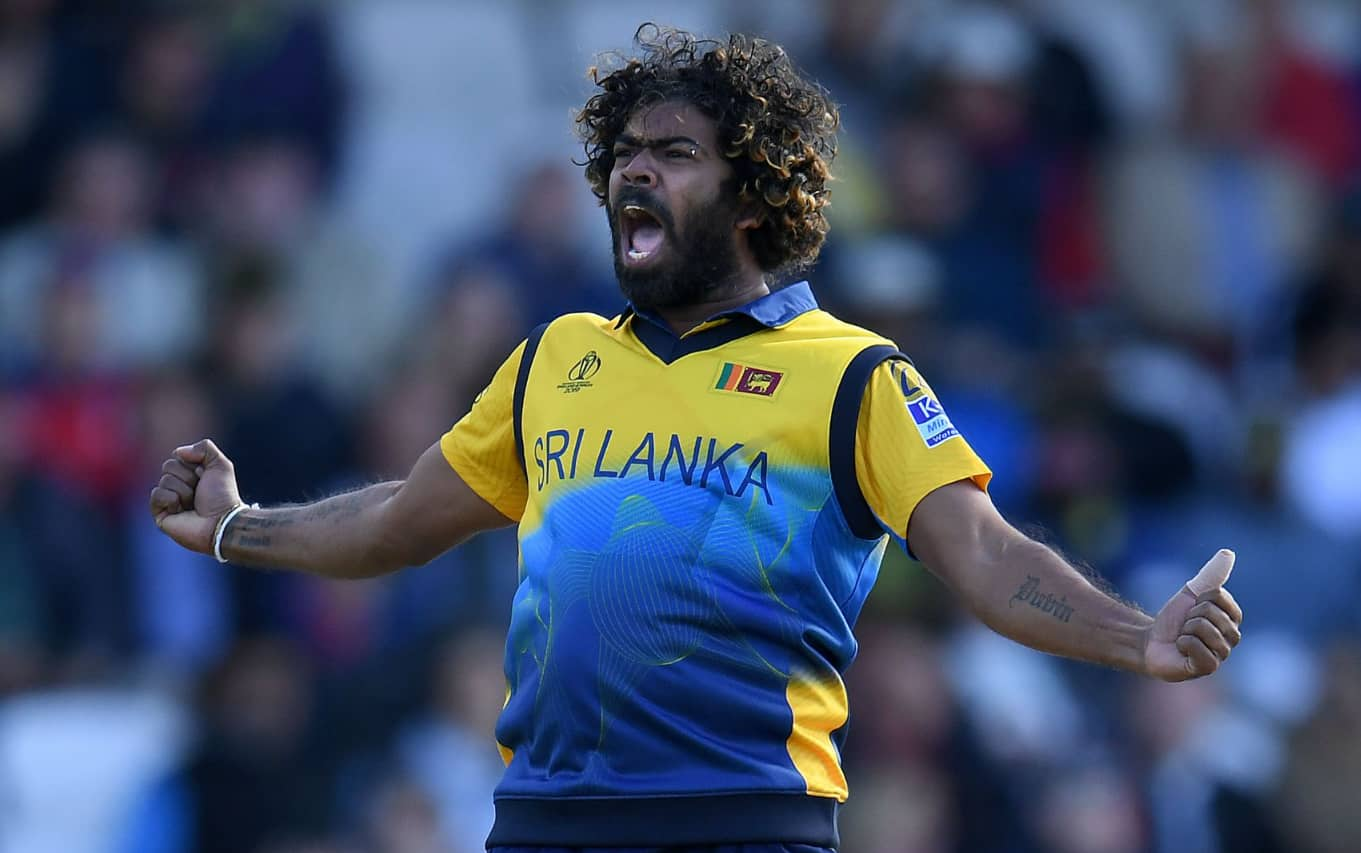
This guide delivers the exact answer with clarity. You’ll learn the rules, see confirmed international instances, understand why T20 cricket produces more of these moments, and discover the myths that mislead fans every day.
The Straight Answer: How Many Wickets Are in a Double Hat-Trick?
A double hat-trick is 4 wickets in 4 consecutive legal deliveries by the same bowler in one match.
Hat-Trick vs Double Hat-Trick: What’s the Real Difference?
A hat-trick means 3 wickets in 3 legal balls. A double hat-trick means 4 wickets in 4 legal balls. Both require consecutive deliveries from the same bowler with no breaks.
A simple ball-by-ball illustration to explain both
Hat-trick sequence (3 in 3)
- Ball 1: Bowled
- Ball 2: LBW
- Ball 3: Caught behind
Double hat-trick sequence (4 in 4)
- Ball 1: Bowled
- Ball 2: Caught
- Ball 3: LBW
- Ball 4: Bowled
Why the term “double” creates confusion for fans?
The word “double” suggests twice something, so many fans assume it means six wickets (twice a hat-trick). In cricket terminology, “double” simply means one extra wicket.
The term has always meant four in four, not a doubling of the hat-trick threshold.
This linguistic confusion is widespread and leads to incorrect definitions on social media and casual cricket conversations.
Laws of Cricket and Scoring Rules Explained
The MCC Laws do not formally define “double hat-trick.” It’s a common term used by commentators, players, scorers, and fans, but it carries no official status in the rulebook. Scorers record each wicket using standard notation without special symbols or markers.
What qualifies as a legal ball in a double hat-trick sequence?
A legal ball is any delivery that is neither a wide nor a no-ball. Only legal deliveries count toward the sequence. If a bowler bowls a wide or no-ball, the sequence resets because those deliveries don’t count as official balls in the match record.
Types of dismissals that are officially counted
- Bowled: Ball hits the stumps directly
- LBW: Leg before wicket when the batsman blocks with the body
- Caught: Fielder catches the ball in flight
- Caught and bowled: The bowler catches the ball they delivered
- Stumped: Wicket-keeper removes the bails when the batsman is out of the crease
- Hit wicket: Batsman hits stumps while playing
Run-outs never count because the dismissal is credited to the fielder or team, not to the bowler.
Can the wickets be spread across overs or innings?
Yes, the sequence can continue across two overs. The only requirement is that the four balls remain consecutive legal deliveries from the same bowler.
No, it cannot cross innings. A new innings automatically resets all sequences regardless of whether the same bowler is still playing.
Popular Misunderstandings Around Double Hat-Tricks
Myth 1: A double hat-trick means taking six wickets
False. A double hat-trick is always 4 wickets in 4 legal balls. The prefix “double” doesn’t mean twice. It’s simply the cricket term for four consecutive wickets, which developed naturally in the sport’s vocabulary.
Myth 2: Run-outs can be counted in the sequence
False. Run-outs never count because the wicket must be credited to the bowler. If a batter is run out, the bowler receives no credit, and the sequence breaks immediately, regardless of how many wickets preceded it.
Myth 3: All wickets must fall in the same over
False. The four wickets can be split across two consecutive overs. For example, a bowler might take 2 wickets at the end of one over and 2 at the start of the next. The overs can differ; only the consecutive legal deliveries matter.
Myth 4: Double hat-trick is an officially defined ICC stat
False. It’s a popular cricket expression but not an official category in the MCC Laws or ICC record books. Scorers still mark the four wickets in standard notation, treating them like any other cluster of dismissals.
Complete List of Double Hat-Tricks in International Cricket
| Year | Bowler | Country | Format | Opponent | Wicket Sequence |
|---|---|---|---|---|---|
| 2007 | Lasith Malinga | Sri Lanka | ODI | South Africa | Bowled, Bowled, Caught, Bowled |
| 2019 | Rashid Khan | Afghanistan | T20I | Ireland | LBW, Bowled, Bowled, LBW |
| 2021 | Curtis Campher | Ireland | T20I | Netherlands | LBW, Caught, Bowled, LBW |
| 2024 | Andre Russell | West Indies | T20I | England | Caught, LBW, Bowled, Caught |
Short match context for every occurrence
- Malinga 2007: The spell came during South Africa’s chase and turned the match decisively. This moment became one of cricket’s most replayed clips in highlight reels and remains the only ODI instance of the feat.
- Rashid 2019: Khan’s burst came during Afghanistan’s middle-overs squeeze on Ireland. The sudden cluster of wickets shifted the match momentum within seconds and demonstrated how rare skill can change entire innings.
- Campher 2021: This historic moment came during Ireland’s T20 World Cup group stage match. The spell helped Ireland gain early control and elevated the team’s profile in international T20 cricket significantly.
- Russell 2024: The West Indian all-rounder achieved the feat during death-overs bowling against England. The burst showed how even modern T20 cricket still produces these rare four-in-four moments.
Famous Non-International Double Hat-Tricks You Should Know
Double hat-tricks in the IPL
| Status | Notable Near-Misses | Context |
|---|---|---|
| No official double hat-trick | Sunil Narine (3 in 3) | Fourth chance dropped at slip |
| No official double hat-trick | Amit Mishra (3 in 3) | Fourth batter survived through luck |
Big Bash League (BBL) examples
| Bowler | Season | Achievement | Missed Fourth Wicket |
|---|---|---|---|
| Shaun Tait | Multiple | Three wickets in three balls | Fourth ball edged but dropped at slip |
Pakistan Super League (PSL) moments
| Bowler | Match Period | Near-Miss Details | Outcome |
|---|---|---|---|
| Mohammad Sami | Multiple seasons | Three in three, fourth nearly trapped lbw | Ball tracking showed stump contact, but stayed not out |
Domestic and club-level achievements
Domestic and club cricket produce four-in-four moments regularly because of uneven match-ups between teams at different skill levels. Lower-order collapse patterns appear more frequently when weaker batsmen face strong bowlers in familiar conditions. State cricket scorecards show multiple instances every season, and these clips circulate on social media due to the raw energy and momentum shift they create in local matches.
Associate-nation double hat-tricks
| Team | Event | Achievement | Year |
|---|---|---|---|
| USA | Regional U-19 Qualifier | Four wickets in four balls | Recent |
Double Hat-Tricks by Match Format: Why T20 Cricket Leads
| Format | Confirmed Double Hat-Tricks | Key Reason |
|---|---|---|
| Test | 0 | Defensive batting and gradual pressure reduce cluster wickets |
| ODI | 1 | Malinga 2007; higher risk than Tests but less aggressive than T20 |
| T20I | 3 | Aggressive batting patterns create natural cluster opportunities |
| T20 Domestic/Franchise | Multiple | More frequent due to uneven skill gaps and fast-paced action |
Why double hat-tricks are rare in Test cricket?
Test cricket emphasizes defensive batting and long innings. Batsmen settle in, occupy the crease, and focus on survival rather than scoring aggressively.
This approach naturally reduces the chances of cluster wickets falling in consecutive deliveries. Additionally, bowlers operate in longer spells where pressure builds gradually rather than in sudden, explosive bursts.
Occurrences and challenges in ODIs
ODI cricket creates higher chances than Tests because batters accept calculated risks while chasing targets or building totals.
Bowlers attack more aggressively than in Test cricket. However, the 50-over format still allows enough time for batters to adjust to bowling patterns.
Only Malinga has achieved a confirmed ODI double hat-trick, showing how even this format limits the frequency of four-in-four moments.
Why do T20s and T20Is see them more often?
T20 cricket generates cluster wickets naturally because batters swing hard regardless of the match situation. Lower-order batsmen enter on strike without settling time.
Pressure escalates rapidly across 20 overs. Teams lose multiple wickets consecutively when aggressive batting fails against quality bowling.
This format has already produced three confirmed international double hat-tricks, proving how the short-form structure increases probability compared to longer formats.
Breaking It Down Ball by Ball: Iconic Examples Explained
Lasith Malinga vs South Africa (ODI, 2007)
- Ball 1: Yorker, bowled. Batsman unable to get the bat down in time.
- Ball 2: Swinging full ball, bowled. Perfect line and length caught the batter off guard.
- Ball 3: Short ball, caught behind. Gloved edge flew to the keeper.
- Ball 4: Fast yorker, bowled. Another yorker at the stumps closed the spell.
Curtis Campher vs Netherlands (T20 World Cup, 2021)
- Ball 1: LBW. Batsman trapped plumb in front of the stumps.
- Ball 2: Caught. Fielder took a clean catch in the field.
- Ball 3: Bowled. Direct hit on the stumps.
- Ball 4: LBW. Second leg-before dismissal in the sequence.
Rashid Khan vs Ireland (T20I, 2019)
- Ball 1: LBW. Batsman failed to get the bat or pad clear.
- Ball 2: Bowled. Direct delivery hit the stumps.
- Ball 3: Bowled. Another batsman bowled in the same manner.
- Ball 4: LBW. Second leg-before dismissal completed the burst.
Other Ultra-Rare Bowling Achievements Related to Double Hat-Tricks
| Feat Name | Balls Required | Definition | Occurrence Level |
|---|---|---|---|
| Hat-trick | 3 in 3 | Three wickets in three consecutive legal deliveries | Rare but happens regularly across formats |
| Double hat-trick | 4 in 4 | Four wickets in four consecutive legal deliveries | Extremely rare across all formats |
| Five-in-five | 5 in 5 | Five wickets in five consecutive legal deliveries | Mostly domestic and club level only |
| Perfect over | 6 in 6 | Six wickets in six legal deliveries (one complete over) | Seen in youth cricket and club matches |
Near-misses occur constantly in modern T20 cricket. A batter survives the fourth or fifth ball through dropped catches at slip, luck, or tactical adjustments. These moments generate viral clips despite falling short of the official four-in-four definition.
Just How Rare Is a Double Hat-Trick?
A simple explanation in everyday language
Even if a bowler has an exceptional 5 percent wicket-taking rate per ball, the probability of four consecutive wickets is 0.05 × 0.05 × 0.05 × 0.05, which equals roughly 1 in 160,000 balls. Across thousands of international matches spanning decades, only four confirmed instances exist.
How often has it happened historically?
Only four confirmed double hat-tricks have occurred in international cricket history – Malinga in ODI format and Rashid Khan, Curtis Campher, and Andre Russell in T20 International cricket.
Test cricket has produced zero confirmed four-in-four sequences. Domestic and franchise cricket sees more because skill gaps between teams are larger, and lower-order batsmen face elite bowlers more frequently.
Conditions and factors that increase or reduce the chances
Factors that increase probability:
- Match pressure: Teams chasing aggressive targets accept higher risk.
- New batsmen on strike: Lower-order batters haven’t settled into rhythm.
- Favorable pitch conditions: Swing, bounce, or seam movement assist cluster wickets.
- Consecutive tail-enders: Weaker batsmen arriving without transition time.
Factors that reduce probability:
- Defensive batting approach: Settled batters focus on survival.
- Bowler fatigue: Accuracy and pace decline during longer spells.
- Dropped catches: Missed opportunities break the momentum chain.
- Tactical adjustments: Batters and captains modify strategies mid-spell.
Fan Terminology, Commentary Language, and Social Media Myths
Cricket commentators use “double hat-trick” because it communicates quickly and sounds clear.
The term avoids awkward phrasing like “four wickets in four legal deliveries.”
On social media, fans shout “char ball char wicket” in Hindi cricket conversations, showing how the feat transcends formal terminology and enters everyday sports talk.
Viral clips often miscount instances by including wides, no-balls, or run-outs in sequences.
Some social media posts conflate near-misses with confirmed four-in-four moments, spreading misinformation faster than corrections reach audiences.
Fact-checking is essential when these claims circulate without context.
Final Verdict: What a Double Hat-Trick Really Means in Cricket
A double hat-trick is 4 wickets in 4 consecutive legal deliveries by the same bowler. It’s not official in rulebooks but universally recognized in cricket culture.
Only confirmed international instances count verified matches. Run-outs don’t count. Wides and no-balls don’t count.
The sequence can cross overs but not innings. When it happens, it reshapes matches and stays memorable for years.
Frequently Asked Questions
- How many wickets are required for a double hat-trick?
Four wickets in four consecutive legal deliveries by the same bowler in one match.
- Is “double hat-trick” an official cricket term?
No. It’s widely used in commentary and fan conversations but holds no official status in MCC Laws or ICC records.
- Which bowler has taken the most double hat-tricks?
No bowler has taken more than one confirmed double hat-trick at the international level.
- Has a double hat-trick ever happened in Test cricket?
No confirmed double hat-trick exists in Test cricket history despite some near-misses.
- Can run-outs be included in a double hat-trick?
No. Run-outs don’t count because the wicket is credited to a fielder or the team, not the bowler.
- Do no-balls or wides affect the sequence?
Yes, they reset the sequence because they’re not legal deliveries.
- Can wickets fall across different overs and still count?
Yes. The four wickets can span two consecutive overs as long as they’re consecutive legal deliveries.
- Is it possible for a double hat-trick to span innings?
No. A new innings automatically resets all sequences regardless of the bowler.
- How do official scorers record a double hat-trick?
Scorers mark each wicket normally using standard notation without special symbols.
- How common are double hat-tricks in T20 cricket?
T20 cricket produces more than Tests or ODIs because aggressive batting creates cluster wickets, but they remain extremely rare.
- What’s the difference between a double hat-trick and two separate hat-tricks?
A double hat-trick requires four in four consecutively. Two separate hat-tricks require six wickets with gaps allowed between them.
- Has a double hat-trick ever changed the outcome of a match?
Yes. Malinga’s 2007 ODI spell changed South Africa’s chase, and multiple T20 instances have shifted match outcomes.
- Have there been five-in-five or six-in-six wickets in international cricket?
No. These feats occur only in domestic and club cricket.
Conclusion:
How many wickets constitute a double hat-trick? The answer is simple: four wickets in four legal deliveries.
This guide has covered the definition, the confirmed international instances, the myths that mislead fans, and the reasons why T20 cricket produces more of these moments than Tests.
Bowling bursts of this magnitude remain extraordinarily rare. Only four bowlers have achieved it on the international stage.
The feat demonstrates how quickly cricket can shift when a bowler enters peak form during crucial moments.
Key takeaways:
- Always 4 wickets in 4 legal balls from the same bowler
- Run-outs, wides, and no-balls never count toward the sequence
- T20 formats produce more instances than ODIs or Tests
- Only four confirmed international double hat-tricks exist in cricket history
Also Check:
About the Author