Karan
Karan The BCCI remains the wealthiest cricket board globally, and its central contract structure reflects that financial power.
For the 2025-26 cycle, significant changes have been made to how indian cricket players salaries 2026 are distributed across grades and formats.
The most notable shift is the elimination of the Grade A+ category.
Players who previously held that status have been reassigned, and new captaincy appointments have triggered further grade movements.
Understanding how contracts, match fees, and incentive structures combine gives a complete picture of what Indian cricketers earn at the international level.
Indian Cricket Players Salaries 2026

BCCI Central Contracts 2025-2026
The BCCI Salary Structure for Indian Cricket Players 2026 now operates across three grades only. The A+ tier has been officially discontinued.
BCCI central contracts salary is determined annually based on format participation, performance, and selection committee review.
| Grade | Annual Salary |
|---|---|
| Grade A | INR 5 Crore |
| Grade B | INR 3 Crore |
| Grade C | INR 1 Crore |
Indian Cricket Player Fees [Format Wise]
Match fees are paid separately from the annual retainer and apply to every match a player is involved in.
Test Match Fee
Players in the playing XI earn INR 15 lakh per Test match. Non-playing squad members receive INR 7.5 lakh, which is half the standard rate.
ODI Match Fee
Each ODI appearance earns a player INR 6 lakh. Non-playing members receive INR 3 lakh per match during the series.
T20I Match Fee
T20I match fees are set at INR 3 lakh per game for playing XI members. Non-playing members receive INR 1.5 lakh per match.
Eligibility Criteria
To qualify for a BCCI central contract 2026 salary, a player must have completed at least 3 Tests, 8 ODIs, or 10 T20Is in the preceding year.
The BCCI annual contract 2026 salary review is conducted each season, with promotions and exclusions determined by the selection committee.
Indian Men’s Cricket Players Salaries By Category [2025-2026]
The following breakdown covers Indian Men’s Cricket Players Salaries 2026 across all three grades.
These figures represent annual retainers only, excluding match fees, IPL earnings, and brand income.
This section covers Men’s Cricket Players Salaries 2026 in India as officially announced by the BCCI on February 9, 2026.
Grade A Players (INR 5 Crore)
BCCI A Grade players salary is the highest retainer available following the removal of A+. Only three players currently hold a BCCI Grade A salary 2026 status.
- Shubman Gill

Gill has been elevated to Grade A following his appointment as Test and ODI captain. He progressed from Grade B after a prolific 2023 season featuring centuries across all formats.
- Jasprit Bumrah
Bumrah leads India’s pace attack across all formats and has held top-tier contract status since 2018. His consistency across conditions makes him an automatic inclusion at the highest grade.
- Ravindra Jadeja
Jadeja retains Grade A status as India’s premier all-format all-rounder. He retired from T20Is after India’s 2024 World Cup win but continues to feature in Tests and ODIs.
Grade B Players (INR 3 Crore)
The indian cricket players salary 2026 list shows significant reshuffling at Grade B, with several senior players relocated from the now-defunct A+ tier.
- Rohit Sharma

Rohit has been demoted to Grade B following his retirement from Test cricket and T20Is. He will continue playing ODIs as a specialist batter.
- Virat Kohli

Kohli moved to Grade B after retiring from Test cricket in 2025 and T20Is in 2024. He remains active in ODI cricket.
- KL Rahul
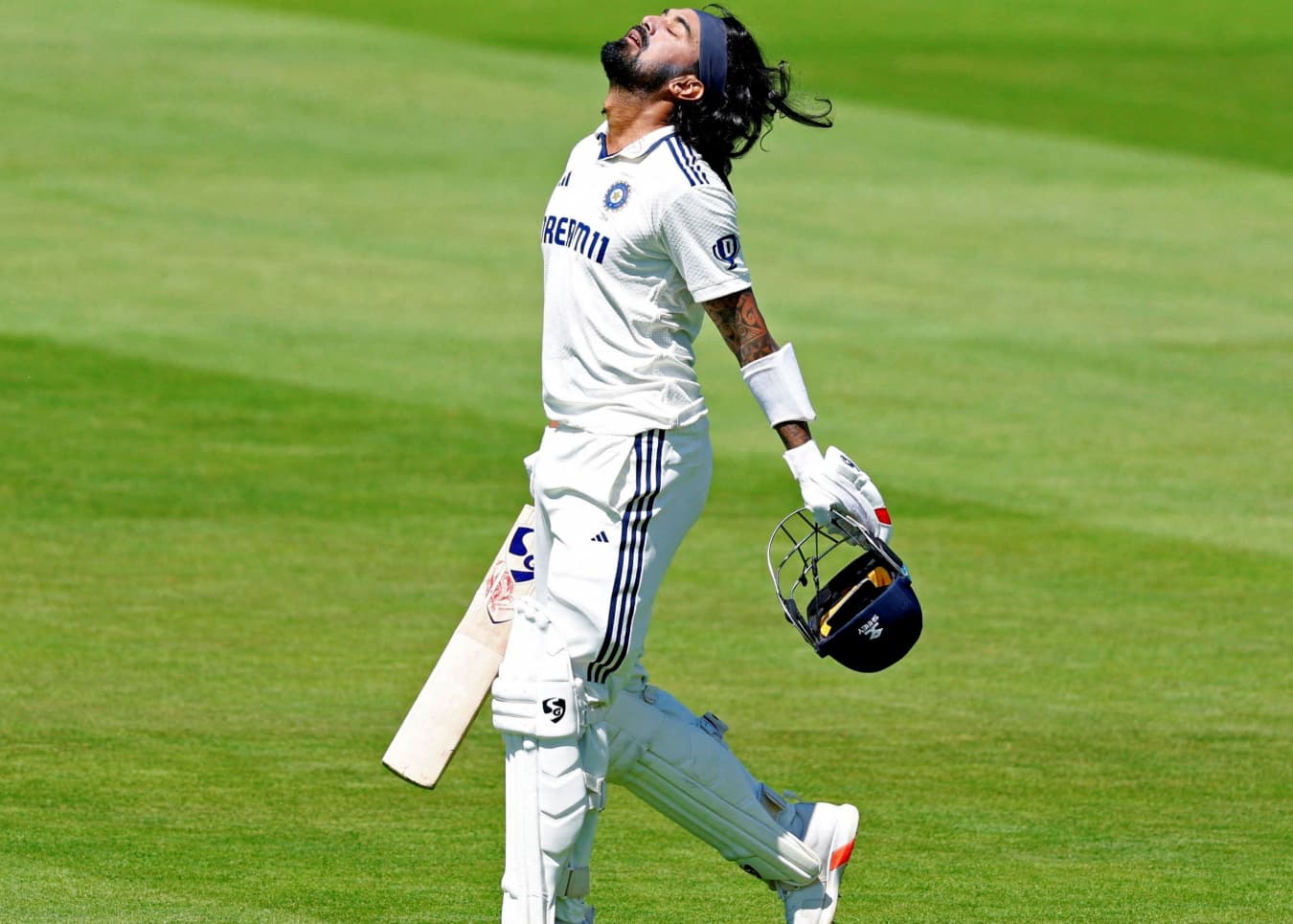
Rahul holds Grade B status after returning to form and fitness across the 2023-24 season. He was previously in Grade A before a brief demotion.
- Washington Sundar
Sundar is placed in Grade B for the 2025-26 cycle. He has grown into a reliable all-format contributor since his Grade C placement in 2023-24.
- Mohammed Siraj
Siraj was promoted to Grade A in 2023-24 but returns to Grade B in the current cycle. His ODI and Test performances remain central to India’s bowling plans.
- Hardik Pandya
Pandya retains Grade B as a white-ball specialist. He has been a key figure in India’s T20I and ODI setups since his comeback from injury.
- Rishabh Pant
Pant holds Grade B status following his remarkable recovery from a serious accident in 2022. He replaced Ravichandran Ashwin, who retired internationally in 2024.
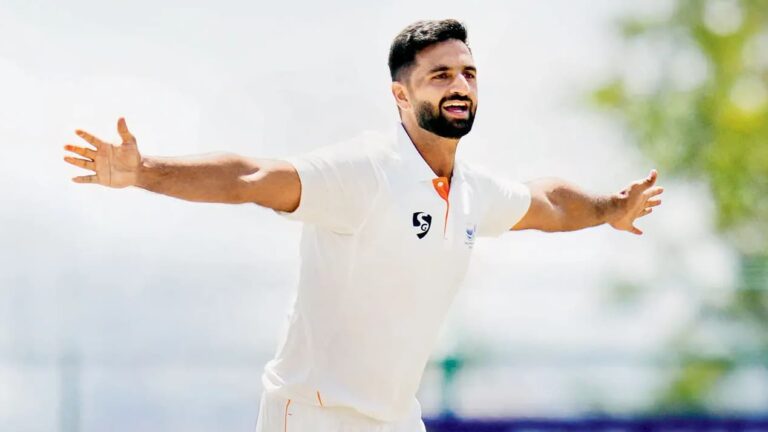
- Kuldeep Yadav
Kuldeep was promoted from Grade C to Grade B in the 2023-24 cycle. Strong domestic and international performances across ODIs and Tests drove his elevation.
- Yashasvi Jaiswal
Jaiswal was awarded a direct Grade B contract on his maiden BCCI inclusion in 2023-24. He has been a consistent opener in Test cricket since his debut.
- Suryakumar Yadav
Suryakumar remains in Grade B as the captain of India’s T20I team. He led India to Asia Cup success against Pakistan and is the top-ranked T20I batter globally.
- Shreyas Iyer
Iyer returned to Grade B after overcoming injury and form issues. He was the leading run-scorer for India in the 2025 Champions Trophy campaign.
Grade C Players (INR 1 Crore)
- Axar Patel
Axar has been a Grade B player in previous cycles. His all-round contributions in white-ball cricket keep him in the contract framework for 2025-26.
- Rinku Singh
Rinku has held a Grade C contract since 2023-24. His finishing ability in T20Is makes him a regular squad member across white-ball formats.
- Tilak Verma
Verma received his Grade C contract in 2023-24 after consistent T20I performances. He has established himself as a reliable middle-order option.
- Ruturaj Gaikwad
Gaikwad has been in Grade C since 2023-24. His domestic record with Chennai Super Kings and India A continues to support his contract retention.
- Shivam Dube
Dube has held a Grade C contract since 2023-24. His power-hitting role in T20Is makes him a specialist white-ball asset for the team.
- Ravi Bishnoi
Bishnoi received his maiden Grade C contract in 2023-24. His wrist-spin has made him a go-to option in T20I cricket across different conditions.
- Sanju Samson
Samson has been in Grade C since at least the 2023-24 cycle. He serves as a wicketkeeper-batter option across limited-overs formats for India.
- Arshdeep Singh
Arshdeep has been a Grade C contracted player since 2023-24. His death-bowling skill set and consistency in T20Is make him a key squad member.
- Prasidh Krishna
Krishna has held Grade C status since 2023-24. His ability to generate pace and movement makes him a consistent Test and ODI squad option.
- Dhruv Jurel
Jurel earned Grade C eligibility after playing two Test matches for India. He was included from the 2024-25 cycle as a developing wicketkeeper-batter.
- Nitish Kumar Reddy
Reddy has been placed in Grade C since 2024-25 after his Test debut. His all-round ability has drawn significant attention from the selection committee.
- Abhishek Sharma
Sharma qualified for Grade C after completing eight T20I appearances. His explosive opening batting has made him a first-choice pick in T20I cricket.
- Akash Deep
Deep secured his Grade C contract after playing more than three Tests for India. His swing bowling in red-ball conditions has impressed selectors across multiple series.
- Varun Chakaravarthy
Chakaravarthy returned to the T20I setup in 2024 after an extended absence. His mystery spin earned him a Grade C contract in the 2024-25 cycle.
- Harshit Rana
Rana debuted across formats in 2024 and was immediately included in Grade C. His pace and temperament have made him a promising addition to India’s bowling attack.
Indian Cricket Players – Extra Earnings Sources
Beyond the central contract, Indian cricketers earn significantly through IPL auctions, brand endorsements, and the BCCI’s Test Cricket Incentive Scheme.
The BCCI contract list with salary 2026 does not capture total earnings, as IPL contracts and sponsorship deals operate independently of the central retainer system.
| Tests Played | Playing XI Incentive | Non-Playing Incentive |
|---|---|---|
| 5–6 Tests | INR 30 Lakh | INR 15 Lakh |
| 7+ Tests | INR 45 Lakh | INR 22.5 Lakh |
Women’s Central Contracts 2025-26
Indian women cricketers receive the same per-match fees as their male counterparts across all three formats. The BCCI contract list with salary 2026 women reflects a structured three-grade system with salaries scaled proportionally to the men’s retainer framework.
| Grade | Annual Salary | Key Players |
|---|---|---|
| Grade A | INR 50 Lakh | Harmanpreet Kaur, Smriti Mandhana, Deepti Sharma, Jemimah Rodrigues |
| Grade B | INR 30 Lakh | Renuka Thakur, Sneh Rana, Richa Ghosh, Shafali Verma |
| Grade C | INR 10 Lakh | Radha Yadav and others |
FAQs:
- What are the salary grades in the BCCI central contract system?
The BCCI currently operates three grades: Grade A at INR 5 Crore, Grade B at INR 3 Crore, and Grade C at INR 1 Crore. The Grade A+ category was officially discontinued in early 2026.
- How much does a Grade A player earn annually?
Grade A players earn INR 5 Crore per year as a base retainer. This figure is separate from match fees, IPL contracts, and brand endorsements, which are negotiated independently.
- What is the match fee structure for Indian cricketers?
Players earn INR 15 lakh per Test, INR 6 lakh per ODI, and INR 3 lakh per T20I when part of the playing XI. Non-playing squad members receive exactly half of these amounts per match.
- What are the eligibility criteria for a BCCI central contract?
A player must have played at least 3 Tests, 8 ODIs, or 10 T20Is in the preceding year. The BCCI selection committee reviews eligibility annually, with exceptional domestic performers also considered for inclusion.
- Do Indian women cricketers receive the same match fees as men?
Yes, Indian women cricketers receive identical per-match fees across all formats. Their annual retainer grades are structured similarly, though the salary amounts are scaled differently from the men’s system.
Conclusion:
The BCCI’s three-grade contract system continues to reward performance, format participation, and leadership responsibility.
With the removal of Grade A+, the indian cricket players salaries 2026 framework is more streamlined and merit-based than previous cycles.
Captaincy appointments for Shubman Gill and Suryakumar Yadav directly influenced grade placements, while senior retirements from Rohit and Kohli triggered downward moves.
The system remains dynamic and responsive to on-field developments.
- Three Grade System – A, B, and C grades replace the former four-tier structure following A+ removal.
- Match Fees Separate – Format-specific fees are paid independently on top of annual retainers.
- Incentives Available – Test Cricket Incentive Scheme provides additional earnings for players featuring in five or more Tests.
- Women’s Parity – Women cricketers receive equal per-match fees and a structured grade-based retainer system.
- IPL and Brands Boost Income – Franchise contracts and endorsement deals significantly expand total earnings beyond BCCI retainers.
Also Check:
- Highest Paid Cricket Coaches in the World
- ICC Cricket Umpire Salary
- Richest Cricketer in the World
- Most Expensive Player in IPL 2026
About the Author