Karan
Karan The Indian Premier League (IPL) creates one of the most engaging environments for cricket betting, with back-to-back matches, live markets, and constant opportunities to participate.
While this fast-paced structure attracts millions of bettors, it also increases the risk of over-betting, a common yet often unnoticed problem that can significantly impact financial stability and decision-making.
Over-betting does not always appear as a dramatic loss of control. It often develops gradually through small, repeated decisions that go unchecked.
Recognizing the early signs is essential for maintaining discipline, protecting your bankroll, and ensuring that betting remains a controlled activity rather than a risky habit.
Signs You Are Over-Betting in IPL
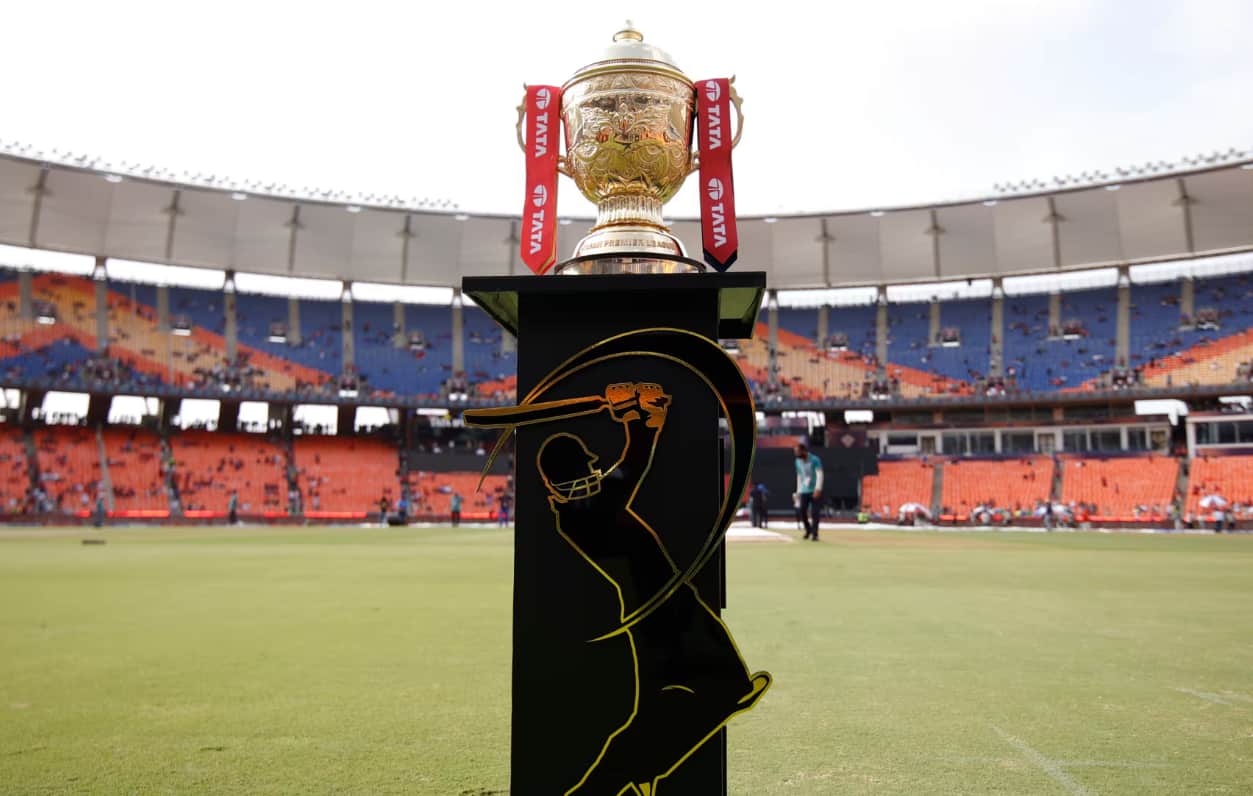
This guide explores the key indicators of over-betting in IPL and provides practical insights to avoid costly mistakes.
Understanding What Over-Betting Means in IPL Context:
Over-betting refers to placing more bets than your strategy or bankroll can reasonably support.
It is not just about the amount of money wagered but also about the frequency, timing, and intent behind those bets.
In the IPL, where matches occur almost daily and live betting offers continuous entry points, the temptation to place multiple bets can quickly escalate.
Without a structured approach, this behavior can lead to excessive exposure and reduced control over outcomes.
Many users who gain Instant Cricket Betting ID Access often fall into this pattern early if they lack discipline.
Understanding this concept is the first step toward identifying and correcting the issue.
Constant Participation in Every Match:
One of the clearest signs of over-betting is the urge to bet on every IPL match, regardless of the quality of opportunity.
While the tournament offers numerous games, not every match presents a favorable or value-based scenario.
Betting on every match often indicates a shift from strategic decision-making to habitual participation.
This approach increases risk and reduces the ability to focus on high-quality opportunities.
Selective betting is essential for maintaining discipline and improving long-term results.
Placing Multiple Bets Within a Single Match:
Live betting during IPL matches can lead to multiple wagers within a short period.
While this can be part of a strategy, excessive participation within a single match is often a sign of over-betting.
Constantly entering the market without clear reasoning or structure increases exposure and makes it difficult to track performance.
It also heightens the impact of rapid odds changes and unpredictable events.
A disciplined approach involves limiting the number of bets and focusing on well-analyzed situations.
Increasing Stake Sizes Without Justification:
Another common indicator is the tendency to increase stake sizes without a clear strategic reason.
This often happens after a series of losses or during moments of overconfidence following wins.
Increasing stakes impulsively disrupts bankroll management and amplifies risk.
Instead of improving outcomes, it often leads to larger losses.
Maintaining consistent stake sizes based on a predefined plan is crucial for avoiding this mistake.
Chasing Losses in Consecutive Matches:
Chasing losses is one of the most damaging behaviors in IPL betting.
After losing a bet, bettors may feel compelled to recover quickly by placing additional wagers, often with higher stakes.
This reaction is driven by emotion rather than analysis and can lead to a cycle of escalating losses.
The fast-paced nature of IPL matches makes this pattern particularly dangerous, as opportunities to chase losses are always available.
Recognizing this behavior early is essential for breaking the cycle.
Betting Without Proper Analysis:
Over-betting often leads to a decline in analytical quality.
When bets are placed frequently, there is less time and attention devoted to evaluating match conditions, team strength, and player performance.
This shift from analysis to impulse reduces the accuracy of predictions and increases reliance on guesswork.
Over time, this pattern can significantly impact results.
A structured approach that prioritizes analysis over frequency helps maintain consistency.
Ignoring Bankroll Limits and Boundaries:
A key sign of over-betting is disregarding predefined bankroll limits.
This includes exceeding daily or match-specific limits and using funds beyond the allocated betting budget.
Without clear boundaries, losses can accumulate quickly, leading to financial strain.
Effective bankroll management requires strict adherence to limits and a disciplined approach to spending.
Ignoring these limits is often a warning sign that betting behavior is becoming uncontrolled.
Emotional Dependency on Betting Outcomes:
When betting begins to influence mood, decision-making, or daily routine, it may indicate over-betting.
Emotional highs after wins and lows after losses can create a dependency that affects judgment.
This emotional involvement often leads to impulsive decisions, increased risk-taking, and difficulty maintaining discipline.
Recognizing this dependency is important for restoring balance.
Lack of Record-Keeping and Performance Tracking:
Bettors who overbet often neglect to track their activity.
Without records of bets, outcomes, and spending patterns, it becomes difficult to assess performance or identify mistakes.
Tracking provides valuable insights into behavior and helps maintain accountability.
The absence of such records is a sign that betting is being approached casually rather than strategically.
Overconfidence After Short-Term Success:
Short-term success can create a false sense of confidence, leading bettors to increase their activity and take unnecessary risks.
This overconfidence often results in over-betting, as users attempt to capitalize on perceived momentum.
However, IPL outcomes are highly variable, and past success does not guarantee future results.
Maintaining a balanced perspective is essential for avoiding this trap.
Difficulty Stopping After Reaching Limits:
Another clear indicator of over-betting is the inability to stop after reaching predefined limits.
Bettors may continue placing bets despite having exhausted their daily or session budget.
This behavior reflects a lack of discipline and increases the likelihood of losses.
Setting and respecting limits is a fundamental aspect of responsible betting.
Impact of Over-Betting on Long-Term Results:
Over-betting not only increases short-term risk but also affects long-term performance.
Frequent and unstructured betting leads to inconsistent results, making it difficult to identify effective strategies.
It also reduces the ability to manage losses and recover over time.
A disciplined and selective approach is essential for achieving sustainable outcomes.
Strategies to Avoid Over-Betting:
Avoiding over-betting requires a combination of awareness, planning, and discipline.
Setting clear limits, maintaining consistent stake sizes, and focusing on value-based opportunities are key strategies.
Taking breaks between matches, avoiding impulsive decisions, and regularly reviewing performance help maintain control.
Using platform tools such as deposit limits and reminders can also reinforce discipline, especially when engaging on platforms like the Reddy Book Betting Platform.
Building a Balanced Betting Approach:
A balanced approach to IPL betting involves treating it as a structured activity rather than a constant engagement.
This includes prioritizing quality over quantity, maintaining a long-term perspective, and avoiding emotional reactions.
By focusing on strategic participation, bettors can reduce risk and improve consistency.
Conclusion:
Over-betting is a common challenge in IPL betting, driven by the fast-paced nature of the tournament and the abundance of opportunities.
Recognizing the signs early, such as excessive participation, emotional decision-making, and ignoring limits, is essential for maintaining control.
By adopting disciplined practices, focusing on analysis, and respecting financial boundaries, bettors can avoid costly mistakes and improve their overall experience.
IPL betting should be approached as a strategic activity, where success is defined not by constant action but by informed and controlled decision-making.
Ultimately, awareness and discipline are the most powerful tools for preventing over-betting and ensuring long-term sustainability.
About the Author