When your live score app suddenly freezes on a partial score and the word “suspended” appears, confusion sets in fast.
Is the match over? Will it restart? Does any of it count?
Understanding suspended meaning in cricket answers all of those questions clearly.
This situation is far more common than most fans realise and applies across all three formats of the game.
Suspended Meaning in Cricket
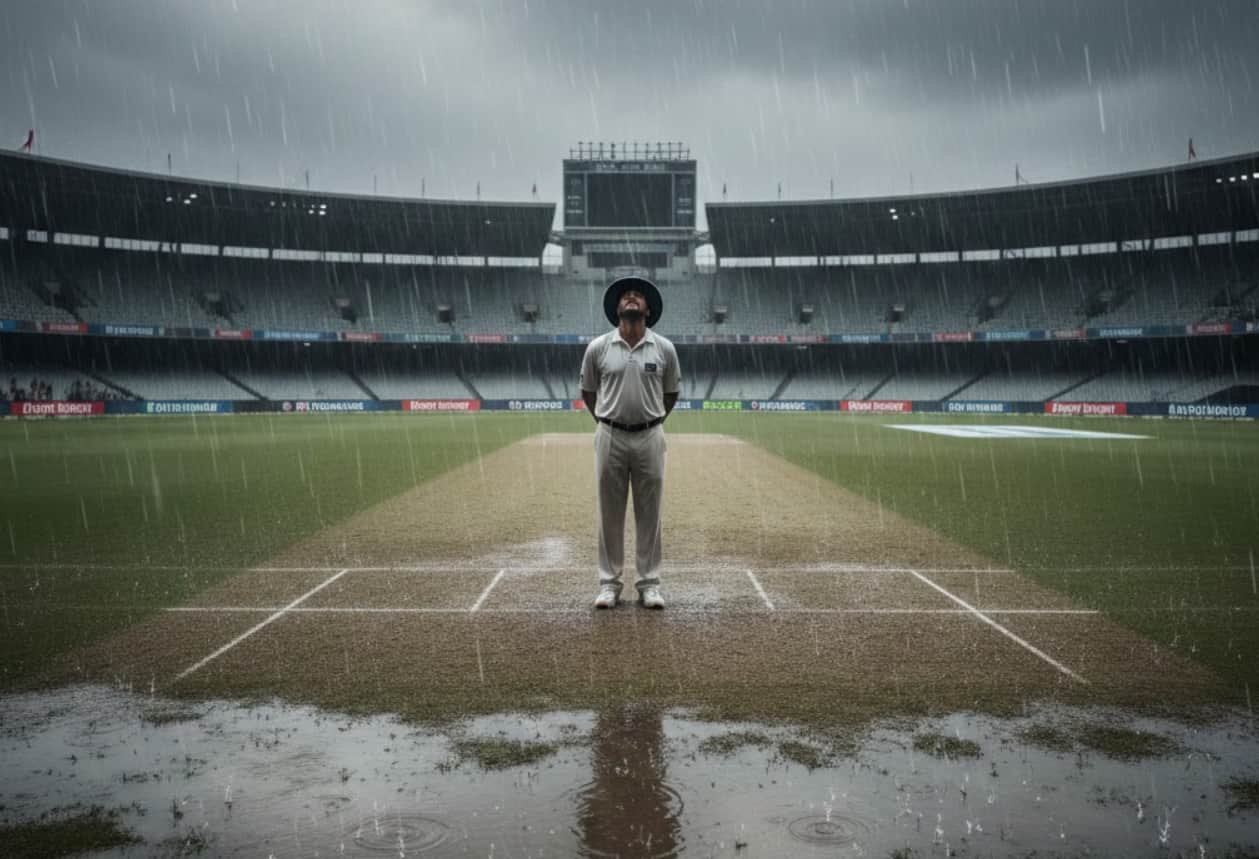
Whether you follow T20 leagues, ODI tournaments, or Test series, suspension is a regulated event with defined rules, structured processes, and clear outcomes for every stakeholder involved.
What does suspension indicate?
Suspension is temporary. The match remains live, and a result is still achievable once conditions allow play to restart safely.
The scorecard stays valid, and players return to their exact positions.
| Aspect | Status During Suspension |
|---|---|
| Match Result | Still Possible |
| Scorecard | Remains Valid |
| Players | Resume From Same Position |
| Overs | May Be Reduced |
What Does Suspended Mean in Cricket?
What does suspended mean in cricket is one of the most searched questions during any rain-affected broadcast. The answer is consistent across formats and tournament levels globally.
- Official Definition Under Cricket Laws: Under ICC playing conditions and MCC Laws of Cricket, suspension is a formally authorised temporary stoppage of play. It is distinct from abandonment and carries the expectation of resumption when conditions permit.
- Difference Between Temporary Halt and Full Stop: Suspension keeps the match alive with all scores and positions preserved. Abandonment permanently ends the match, usually without a result. The two terms are fundamentally different in meaning and consequence.
- Who Has the Authority to Suspend a Match?: On-field umpires hold primary authority to initiate suspension. The match referee can also intervene in non-weather situations such as security incidents or technical failures that fall outside standard umpire jurisdiction.
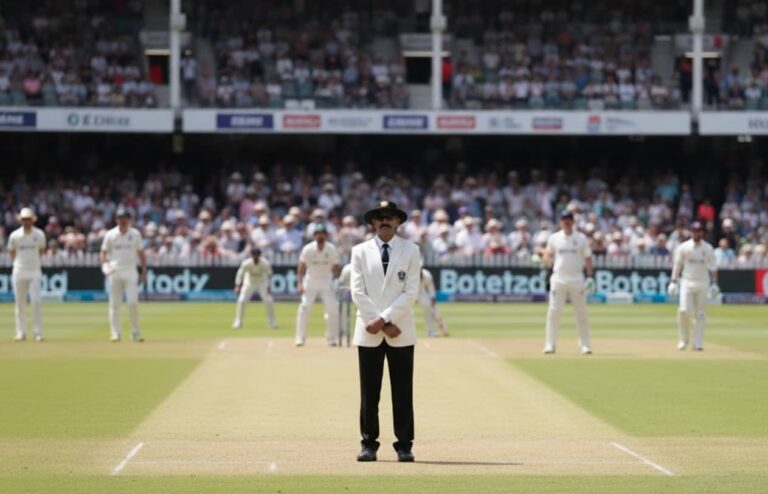
- Umpire Signals and Announcements: Umpires signal suspension using crossed arms held at chest height. This is followed by an official announcement to players, scorers, and broadcasters confirming the suspension and expected next steps.
Why Is a Cricket Match Suspended?
- Immediate Safety Concerns: Player safety is always the overriding priority under ICC playing conditions. Umpires can initiate suspension at any moment if continuing play would expose participants to physical danger, regardless of match context.
- Weather-Related Interruptions: Rain, lightning, and storms are the most frequent causes of suspension in cricket globally. Wet conditions compromise pitch safety, outfield footing, and ball condition simultaneously, making continuation unsafe and unfair.
- Ground or Pitch Safety Issues: A surface that develops dangerous cracks, excessive moisture, or uneven bounce can trigger suspension even under clear skies. The bowler’s run-up and surrounding ground conditions are also assessed as part of this evaluation.
- External Disturbances: Crowd invasion, security threats, and political incidents can cause immediate suspension. Officials coordinate with security authorities and venue management before any restart is authorised following such events.
- Technical Breakdowns: Floodlight failure, DRS system outages, scoreboard malfunctions, and power cuts are all documented reasons for suspension in modern cricket. Play resumes once the technical issue is resolved and officials confirm safe conditions. This reflects why match suspended today queries spike whenever a high-profile night game experiences a floodlight issue.
Match Suspended Due to Rain: Meaning
Match suspended due to rain, meaning it covers the most common scenario fans encounter and carries specific procedural steps beyond simply stopping play.
- Light Rain vs Heavy Rain Situations: Drizzle may not immediately trigger suspension if both umpires agree that conditions remain safe and the ball is not significantly affected. Heavy rain triggers immediate suspension given its simultaneous impact on outfield safety, pitch moisture, and ball condition.
- Covers and Ground Inspection Process: Ground staff deploy covers immediately when rain causes suspension. Inspections follow at regular intervals, typically every 15 to 30 minutes, with umpires assessing pitch moisture, outfield drainage, and footing before clearing any restart.
- Waiting Period Before Further Decision: Officials allow structured waiting periods during which conditions are monitored. The length of this period is guided by available remaining time, the minimum overs requirements of the format, and on-site weather forecasting data.
- Impact on Overs and Target Revision: DLS is applied only after overs are officially reduced, not during the suspension itself. This is the most commonly misunderstood aspect of rain-affected cricket among casual fans watching score applications update in real time.
Bad Light
Why test match suspended today is a question that surfaces frequently during Test matches played in England, New Zealand, and other countries where natural light varies significantly across the playing day.
- How Umpires Measure Light Conditions: Umpires use calibrated light meters to measure available natural light at the crease. Readings below the established safety threshold require suspension regardless of player or captain preferences under current playing conditions.
- Why Batters’ Safety Matters: Fast bowling in poor light creates genuine danger because batters cannot pick up the ball early enough from the bowler’s hand. Protective equipment alone cannot compensate for significantly reduced visibility, making umpire intervention essential.
- Day vs Day-Night Match Difference: Day matches rely entirely on natural light and are more susceptible to bad-light suspension. Day-night matches with functioning floodlights can continue much longer, though floodlight failure itself creates a separate suspension category.
- When Bad Light Leads to Suspension vs Stumps: In Test cricket, umpires may draw stumps early rather than formally suspend play if the remaining scheduled time is minimal. In limited-overs formats, bad light triggers a formal suspension with a restart pending conditions improving sufficiently.
Dangerous Pitch or Ground Conditions
- Cracks, Uneven Bounce, or Excessive Moisture: A pitch with deep cracks, dangerous uneven bounce, or excessive moisture poses direct physical risk to batters. Umpires can suspend play immediately if the surface no longer provides a fair and safe contest for either side.
- Wet Outfield Risks: A saturated outfield increases the risk of fielders slipping while diving or sprinting, particularly near the boundary and in areas requiring sharp directional changes. This risk alone can justify suspension even when the pitch itself remains playable.
- Match Referee Inspection Process: The match referee coordinates with on-field umpires and ground staff during surface safety inspections. Their collective decision determines both the timeline for resumption and any remedial action required before officials authorise play to restart.
- When Play Can Resume After Repair: Officials clear a restart once the affected area has been treated, dried, or repaired to a standard meeting safety requirements. Both on-field umpires must agree before players are called back onto the field from the dressing rooms.
Security or Crowd Disturbance
- Crowd Invasion: Any unauthorised entry onto the playing field triggers immediate suspension. Players are removed from the field while security officials and the match referee coordinate a safe response before any restart can be authorised.
- Political or Safety Threats: Credible external threats to player or spectator safety result in suspension and direct coordination with local law enforcement. Pre-agreed emergency protocols govern the response at venues where heightened security risk is a documented concern.
- Player Security Protocols: Players are moved to dressing rooms or pre-designated safe zones during security-related suspensions. Their return to the field is subject to joint clearance from both match officials and event security management personnel.
- Role of Match Officials and Authorities: The match referee holds overall coordination authority during security incidents. They liaise directly with venue management, law enforcement, and broadcast teams before any public announcement or official restart clearance is communicated.
Technical or Equipment Failure
- Floodlight Malfunction: Floodlight failure during a day-night match causes immediate suspension. Partial failure affecting one end of the ground is individually assessed, with full suspension triggered if the reduction in light creates safety concerns at the batting crease.
- Scoreboard or DRS System Breakdown: A DRS system failure typically results in play continuing without reviews rather than a formal suspension. However, a complete breakdown affecting match integrity may prompt officials to suspend until all systems are confirmed operational.
- Power Outage Cases: A stadium-wide power outage affecting lighting and electronic systems triggers immediate suspension. Restart follows only once power is restored and all safety-critical systems are confirmed operational by both venue and match management.
- Communication System Failures: Failures in match control communication systems, including links between on-field umpires and the third umpire, can prompt a brief suspension to avoid incorrect decisions being made without full official consultation across the review system.
Rare or Modern Causes
- Health Emergencies: A serious medical emergency involving a player or official on the field triggers immediate suspension. Play resumes once the medical staff completes their response and all officials confirm that conditions are appropriate and safe for continuation.
- Extreme Weather Alerts: Cyclone warnings, severe storm alerts, or confirmed lightning strike proximity trigger suspension under mandatory safety compliance guidelines. Modern real-time weather monitoring allows officials to act earlier and more precisely than in previous eras.
- Bio-Bubble or Medical Protocol Interruptions: Tournaments operating under bio-secure conditions can experience suspension following a protocol breach or confirmed positive test during a match day. This became a documented reality across multiple tournaments in the post-pandemic period.
- Unexpected Stadium Issues: Structural concerns, infrastructure emergencies, or unforeseen stadium failures can prompt suspension under the joint authority of venue management and the match referee. These cases are rare but have precedent across domestic and international cricket.
Suspended vs Abandoned vs Delayed vs Postponed
Match suspended meaning in football shares the same core principle of a temporary halt, but cricket’s format complexity makes the distinction between suspended, abandoned, delayed, and postponed far more consequential for result calculation and tournament standings.
| Term | Temporary? | Result Possible? | Restart? |
|---|---|---|---|
| Suspended | Yes | Yes | Same Day / Next Day |
| Abandoned | No | Usually No | No |
| Delayed | Before Start | Yes | Yes |
| Postponed | Rescheduled | Yes | New Date |
The Suspension Process Step by Step
- On-Field Consultation: Both umpires confer on-field before initiating suspension. Their joint assessment covers safety conditions, fairness, and applicable playing conditions for the specific format and tournament level in question.
- Umpire Signal: The formal crossed-arm signal at chest level communicates suspension to players, scorers, and spectators simultaneously. This signal is universally recognised across all formats and levels of cricket worldwide.
- Official Announcement: Stadium public address announcements and broadcaster confirmations follow immediately after the umpire signal. Score applications connected to official data feeds update automatically in most modern professional tournaments.
- Ground Inspection Interval: Regular inspections begin as soon as players leave the field. These are conducted at intervals agreed between officials and ground management, typically every 15 to 30 minutes depending on prevailing conditions and forecast data.
- Final Decision Timeline: Officials make a restart or abandonment decision based on available time, remaining minimum overs, and the latest ground and weather assessment. This decision is communicated publicly through official channels once confirmed.
What Happens After a Match Is Suspended?
When a suspended match in cricket resumes, everything continues from exactly the point of interruption. No scores are reset, no bowlers are changed, and no substitutions are permitted outside normal playing conditions rules.
- Match Status Update: The scorecard remains entirely valid throughout the suspension period. All runs scored, wickets taken, and overs bowled are preserved and continue to count toward the final result once play restarts officially.
- Over Reduction Calculation: If time lost makes a full match impossible, officials calculate the maximum available overs based on the cut-off time for the format. This reduction is official and triggers DLS where applicable under limited-overs playing conditions.
- Target Revision Procedures: DLS recalculates the chasing team’s revised target based on overs available and resources remaining at the interruption point. The revised target is communicated to both teams and broadcasters before play restarts on the field.
- Rescheduling Possibilities: Reserve days, where officially designated, allow a suspended match to carry into the following day. This provision is most commonly applied in ICC tournament knockout fixtures where a definitive result is mandatory under competition rules.
Restart Rules
- Conditions Required for Restart: Both on-field umpires must agree that conditions are safe and fair before calling players back onto the field. A unilateral decision by one umpire alone is not sufficient to resume play under the current ICC playing conditions.
- Minimum Overs Requirement: T20 cricket requires a minimum of five completed overs per side for an official result. ODI cricket requires a minimum of 20 overs per side. Matches unable to meet these minimums cannot produce an official result.
- Player Warm-Up Rules: A short preparation period is permitted following an extended suspension. The duration is at the discretion of on-field officials based on the time available and the length of the interruption experienced by players.
- Ball Condition and Replacement Rules: If the ball has been significantly affected by rain or ground moisture during the suspension, officials may replace it with a ball of comparable condition to the one in use at the point when play was halted.
Reserve Days in Tournaments
- When Reserve Days Are Used: Reserve days are activated when a knockout match cannot be completed on its scheduled day due to suspension. They provide a full additional day rather than simply extending the scheduled playing window into late evening.
- ICC Event Policies: ICC tournaments designate reserve days primarily for knockout matches and finals where a result is mandatory under competition rules. Group stage matches that cannot be completed are typically abandoned with points shared between teams.
- Bilateral Series Policies: Reserve days are rarely included in bilateral series agreements between two nations. A suspended match in a bilateral context is typically either rescheduled if tour scheduling allows or abandoned, with the result voided or shared.
- Finals vs League Matches: Finals carry the highest priority for reserve day activation, given the requirement for a definitive winner. League matches operate under shared-points arrangements that reduce the operational need for a dedicated reserve day solution.
Cut-Off Time Rules
- Latest Possible Restart Time: Each format operates with a defined cut-off time beyond which play cannot legally begin. This is calculated backward from the minimum overs requirement to produce a result within the available playing light or floodlight window.
- Minimum Overs Criteria: The minimum overs requirement is non-negotiable for result purposes. T20 requires five per side, ODI requires 20 per side, and Test cricket has no minimum overs threshold given its five-day time-based structure.
- Format-Based Differences: T20 cricket provides the greatest flexibility in reaching a result, given its shorter minimum threshold. ODI cricket is more vulnerable to abandonment after extended suspension because of its significantly higher minimum overs requirement.
- Broadcaster Agreements Influence: Commercial broadcast windows can influence cut-off timing in franchise tournaments. However, player safety requirements and minimum overs rules under ICC playing conditions take unconditional precedence over broadcast scheduling considerations.
Does Suspension Affect the Match Result?
- No Result Situations: If minimum overs cannot be completed in either innings following suspension, officials declare no result. In tournament formats, this typically means points are shared rather than a replay being ordered or a winner declared.
- Reduced Match Scenarios: When overs are officially reduced, both the target and winning conditions change accordingly. DLS ensures the revised contest remains statistically fair based on the resources available to both teams at the reduction point.
- Tie or DLS Outcomes: A match ending in a tie under DLS conditions is a valid and recorded result under tournament rules. Some competitions use super overs to break ties in knockout situations even when DLS has already been applied to the main match.
- Points Distribution in Tournaments: An abandoned group stage match typically results in one point each under standard ICC tournament regulations. Knockout matches require a definitive result and therefore activate reserve days or pre-agreed tie-breaking criteria instead.
For T20 Cricket
Suspended meaning in cricket T20 carries particular significance given how rapidly momentum shifts and how commercially critical every delivery is in the shortest professional format.
- Minimum 5-Over Rule: A minimum of five completed overs per side is required for T20 cricket to produce an official result. This deliberately low threshold maximises the chance of a result even after significant weather disruption during a scheduled match.
- Fast Decision-Making Approach: T20 tournaments operate with compressed decision timelines. Officials aim to restart as quickly as possible given the format’s scheduling demands, making the inspection and assessment process faster than in longer formats.
- Impact on Powerplays: When overs are officially reduced, powerplay allocations are adjusted proportionally. Teams batting in reduced T20 matches see their powerplay window shortened, which directly affects field restriction advantages and opening partnership strategies.
- Typical Tournament Policies: League stage T20 matches default to a shared points outcome if minimum overs cannot be met. Knockout matches and finals activate reserve days to ensure a mandatory result is delivered under competition rules.
For ODI Cricket
- Minimum 20-Over Rule: ODI cricket requires a minimum of 20 completed overs per side for an official result to be declared. This higher threshold makes ODI matches more frequently abandoned following extended suspension compared to the T20 format.
- Innings Calculation Differences: If the first innings completes normally but rain interrupts the second innings, DLS calculates a revised target based on overs lost and wickets remaining at the suspension point. Pre-match and mid-innings reductions are calculated differently.
- DLS Adjustments: DLS revises the chasing target using a resource percentage model accounting for both overs and wickets remaining. This ensures statistical fairness even when conditions change significantly across different phases of the second innings.
- Effect on Net Run Rate: Abandoned ODI matches with no official result typically do not affect net run rate in tournament standings. Matches decided under DLS do count for NRR purposes using the revised overs and target figures applied by officials.
While Test Cricket Follows Different Guidelines
- Time-Based Format Structure: Test cricket operates across five days, with any suspended session carrying over to subsequent days of play. There is no minimum overs requirement for a result, making Test cricket the most accommodating format for weather interruptions.
- No DLS in Tests: DLS is not applied in Test cricket. Time lost to suspension is instead compensated through additional overs added to the remaining days of the match, subject to light conditions and the five-day schedule limit.
- Extra Time Provisions: Umpires can extend each day’s play by up to 30 minutes to compensate for time lost to suspension. This provision is applied at umpire’s discretion in consultation with the match referee and remains subject to prevailing light conditions.
- Follow-On Implications: Enforcing the follow-on in a five-day Test requires a deficit of at least 200 runs. Significant time lost to suspension can reduce the available playing time sufficiently to make enforcing the follow-on strategically impractical for the leading side.
Duckworth-Lewis-Stern (DLS) in Suspended Matches
- When DLS Is Applied: DLS is applied only after overs have been officially reduced, not during the suspension itself. This distinction is critical and represents the most widespread misconception among fans following rain-affected matches in real time.
- How Revised Targets Are Calculated: DLS uses a resource percentage model based on overs remaining and wickets in hand at the point of interruption. It compares resources available to both teams at equivalent innings stages to calculate a statistically fair revised target.
- Par Score Concept: The par score represents the runs a team needs at any given point in their innings to be level on DLS resources with their opponent. A team above par when rain arrives is in a winning position under DLS if the match cannot resume.
- Common Misconceptions: DLS is not applied randomly or at the umpire’s discretion. It follows a validated mathematical model maintained and updated by ICC statisticians. Criticism of DLS as unfair almost always reflects a misunderstanding of how resource percentages are structured and applied.
What Happens to Player Stats, Fantasy, and Betting?
- Player Statistics: All runs scored, wickets taken, and overs bowled before suspension remain valid regardless of the eventual match outcome. A player who scored 90 before rain retains those runs in official career records even if the match is later abandoned.
- Incomplete Match Scenarios: Statistics from incomplete matches count in full toward career records under ICC regulations. Three wickets taken before abandonment are credited permanently to a bowler’s official career statistics across all formats.
- Fantasy Cricket: Points accumulated before suspension are retained on most major fantasy platforms. Whether bonus categories, winning team points, or top performer credits are awarded depends on the specific platform’s rules regarding minimum match completion thresholds.
- Betting: Betting markets generally require a minimum number of overs for bets to be settled rather than voided. The exact threshold varies by platform and market type. Markets that do not meet the minimum are typically voided under standard terms and conditions.
Why Was the Cricket Match Suspended Today?
Why was the cricket match suspended today is the most searched cricket query during any major weather event or unexpected disruption across IPL, ICC tournaments, and international bilateral series.
- How to Check Official Sources: The most reliable information comes from official cricket board websites, tournament-verified social media accounts, and broadcast partners. Score applications directly integrated with official data feeds also update in real time during active suspensions.
- Common Recent Causes: Rain, bad light, and wet outfields account for the overwhelming majority of suspensions in any given cricket season. Pitch safety issues and technical failures are less frequent but have been documented across recent IPL and international fixtures.
- Role of Broadcasters: Broadcasters provide real-time commentary and on-screen graphics throughout any suspension period. They coordinate directly with official match management to deliver timely and accurate updates to viewers regarding inspection outcomes and restart timelines.
- Social Media Updates: Verified accounts of cricket boards, franchises, and official tournament handles provide the most reliable suspension updates on social media platforms. Third-party aggregators and fan accounts should be treated as secondary sources pending official confirmation.
Real Match Examples of Suspension
Suspended meaning in cricket ipl is well understood by franchise cricket fans who have witnessed multiple documented rain stoppages, floodlight failures, and weather-related delays across the tournament’s history in both home and neutral venues.
- Rain-Affected ICC Matches: Multiple ICC World Cup and Champions Trophy matches have been suspended mid-play due to rain across recent tournament cycles. Reserve days have been activated for knockout matches on several occasions, demonstrating the practical application of these provisions.
- Floodlight Failure Incidents: IPL matches have been suspended due to floodlight failure at multiple venues across different seasons. These incidents typically result in a brief technical suspension rather than abandonment, with play resuming once affected systems are restored or replaced.
- Crowd Disturbance Cases: The 1996 World Cup semi-final in Kolkata remains the most cited historical case of suspension due to crowd disturbance in international cricket. The match was awarded to Sri Lanka after the stadium was declared unsafe for continuation.
- Historic Controversial Suspensions: Several Test matches across Ashes history have involved disputed bad-light decisions that led to suspensions viewed as contentious by one side. These cases contributed to subsequent reviews and refinements in official bad-light assessment protocols.
When Does a Suspended Match Become Abandoned?
- Maximum Waiting Time: There is no fixed maximum waiting period under ICC playing conditions. The abandonment decision is based on whether sufficient time remains to complete the minimum overs requirement before the format’s designated cut-off time.
- Weather Forecast Assessment: Officials use real-time forecast data and ground conditions to determine whether resumption is feasible. A forecast indicating continuous heavy rain for the remainder of the scheduled window typically accelerates the move toward formal abandonment.
- Umpire and Referee Authority: The final abandonment decision rests jointly with the on-field umpires and the match referee. Both must agree that conditions cannot improve sufficiently to allow the minimum overs to be completed within the available time.
- Tournament Rules Impact: Group stage matches move toward a shared points outcome relatively quickly once abandonment appears likely. Knockout matches allow full use of the reserve day before pre-agreed tie-breaking or shared advancement criteria are applied.
Format-Wise Summary
Test cricket provides the greatest flexibility given its five-day structure and absence of minimum overs requirements.
Suspension simply means time is lost and may be partially recovered through extended play provisions on subsequent days.
ODI cricket faces the highest abandonment risk given its 20-over minimum requirement and single-day structure without reserve days in most bilateral formats.
T20 cricket offers the best chance of a result even after extended weather interruption, given its five-over threshold.
Common Myths About Suspended Matches
- “Suspended Means Finished” Myth: This is categorically incorrect. Suspension in cricket always refers to a temporary pause with resumption expected. The match remains live and the scorecard intact throughout the entire suspension period.
- “Rain Always Means No Result” Myth: Rain causes suspension, not automatic abandonment. A result remains achievable as long as the minimum overs can be completed before the cut-off time. Many rain-interrupted matches produce official results under DLS on the same day of play.
- “DLS Is Random” Myth: DLS follows a validated and independently verified mathematical model based on resource percentages. It has been refined multiple times since its introduction and is applied consistently under ICC playing conditions globally.
- “Matches Restart Exactly From Same Moment Always” Myth: Scores and positions are preserved, but the ball may be replaced, and overs may be reduced after an extended suspension. The format of the contest can change substantially, even though the scorecard itself continues from where play stopped.
Final Takeaways:
Understanding suspended meaning in cricket eliminates the confusion that many fans experience when live coverage suddenly halts on a partial score.
The match is paused, not ended, and the rules ensure fairness for both sides throughout the process.
Safety drives every suspension decision. Umpires act under a defined legal framework established by ICC and MCC to protect players and maintain the integrity of the contest across all formats.
The system is structured, regulated, and transparent. Fans who understand its mechanics can follow rain-affected matches with informed patience rather than unnecessary frustration.
FAQs:
- What is the difference between suspended and abandoned?
A suspended match is temporarily paused with resumption expected when conditions allow. An abandoned match has been permanently ended without a result, typically because completing the minimum overs within the available time became impossible.
- Can a suspended match restart the next day?
Yes, particularly in Test cricket, where play continues across five scheduled days. In limited-overs formats, restarting the following day is only possible if an officially designated reserve day has been included in the tournament or fixture schedule.
- Is DLS used in all formats?
No. DLS applies exclusively to limited-overs formats, including T20 and ODI cricket. Test cricket does not use DLS. Time lost in Tests is managed through extended play provisions and additional overs allocated across the remaining scheduled days.
- What happens if a final is suspended?
ICC finals have designated reserve days to ensure a definitive result. If the reserve day is also lost to weather and minimum overs cannot be met, pre-agreed competition rules determine how the title or advancement is decided between the two finalists.
- Do players lose stats if a match is suspended?
No. All statistics recorded before the suspension remain permanently valid and count toward official career records regardless of whether the match is completed, abandoned, or decided under a DLS revised target after the interruption.
Conclusion:
Suspended meaning in cricket is straightforward once the framework is understood.
It refers to a temporary and regulated pause in play, authorised by umpires under ICC playing conditions to protect participants and preserve match integrity.
Every fan who grasps this can follow a weather delay with clarity rather than confusion.
The match is paused, the scores are valid, and the contest continues when conditions allow.
- Temporary pause — Match remains live, and scorecard is fully preserved
- Safety priority — Umpires act under the law to protect all players on the field
- Score remains valid — All runs, wickets, and overs count toward the final result
- Result still achievable — Minimum overs and DLS ensure fair outcomes where feasible
Also Check:
- Cricket Stumps Explained
- 15 Rules of Cricket
- IPL Rules and Regulations
- LBW in Cricket
- Batting Rules in Cricket
- Dead Ball in Cricket
About the Author