The indian women cricketers salary 2026 represents a milestone in Indian sports compensation structures.
The Board of Control for Cricket in India (BCCI) has established professional payment frameworks that align with international standards.
This financial architecture combines annual central contracts with format-specific match fees.
The systematic approach ensures career sustainability while rewarding consistent performance across domestic and international competitions.
Indian Women Cricketers Salary 2026
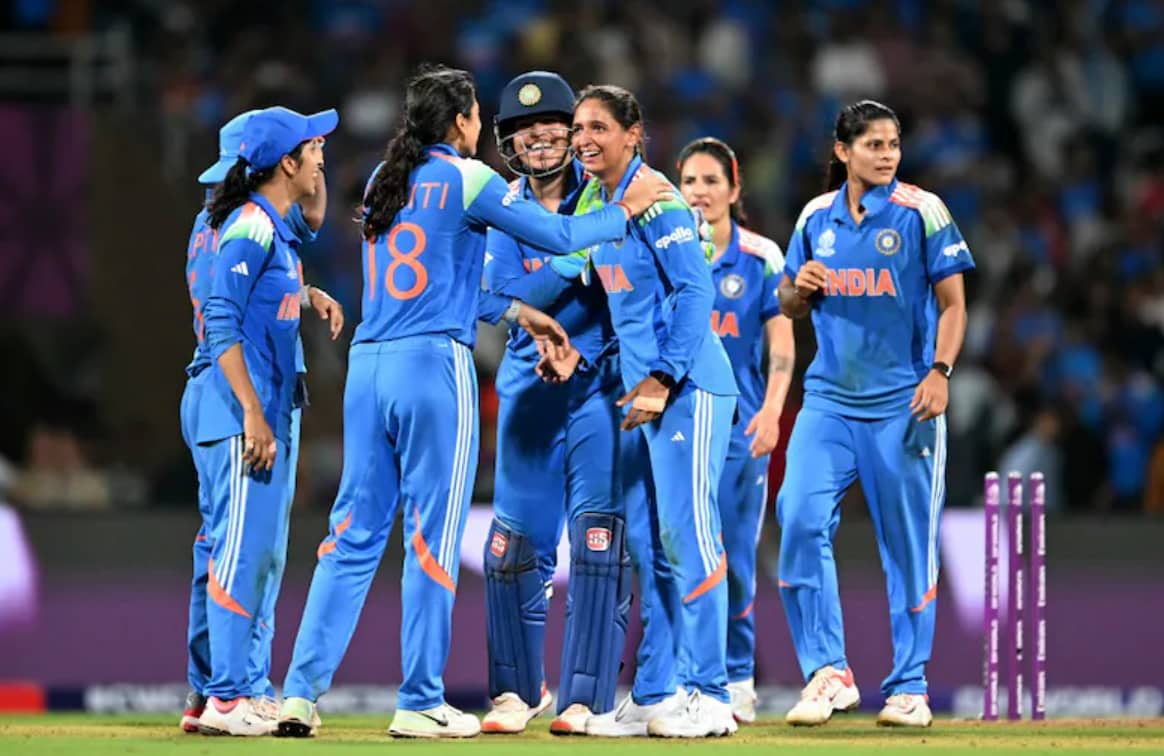
The transformation from limited recognition to comprehensive professional earnings demonstrates the Board’s commitment to developing women’s cricket as a viable long-term career option.
Indian Women Cricketers Salary 2026 of Grade A, B, C
The BCCI classifies contracted players into three performance-based salary tiers. Each grade reflects player experience and contribution levels.
This classification system provides transparent career progression pathways. Players advance through grades based on sustained performance metrics.
| Grade | Annual Salary (INR) | Contract Type |
|---|---|---|
| Grade A | ₹50 Lakh | Elite Core Players |
| Grade B | ₹30 Lakh | Primary Squad Members |
| Grade C | ₹10 Lakh | Developing Players |
Growth of Women’s Cricket in India
- 2017 ICC World Cup Final Impact: The ICC Women’s World Cup 2017 final created unprecedented visibility for Indian women’s cricket. The team’s runner-up finish against England generated massive viewership and shifted mainstream media attention toward women’s cricket as prime-time entertainment content.
- Emergence of National Icons: Players like Mithali Raj, Harmanpreet Kaur, and Smriti Mandhana transformed into recognized sporting personalities. Their consistent international performances established credibility while inspiring grassroots participation among young female athletes nationwide.
- Media Rights and Sponsorship Growth: Broadcasting networks began acquiring exclusive rights for women’s cricket series. Corporate investment increased substantially as sponsors recognized commercial viability, leading to lucrative team and individual player sponsorship agreements.
- Increase in Domestic Participation: State cricket associations expanded women’s cricket infrastructure with dedicated academies. Domestic tournament frequency increased, providing competitive exposure and talent identification pathways from junior to senior levels across India.
How BCCI Helped Women’s Cricket in India?
- Central Contract Structure: The BCCI introduced annual central contracts guaranteeing base salaries independent of match participation. This retainer system enables players to pursue cricket as primary occupation without requiring supplementary employment for financial stability.
- Equal Match Fees Announcement: In 2022, the BCCI implemented identical match fee structures for men and women across Test, ODI, and T20I formats. This parity model positioned India as global leader in cricket compensation equity.
- Domestic Tournament Expansion: The Board increased domestic competition fixtures including senior women’s one-day and multi-day tournaments. Enhanced tournament schedules provide consistent competitive environments for skill development and national team selection preparation.
- Infrastructure & High-Performance Support: Investment in specialized training facilities, dedicated coaching personnel, and sports science departments improved preparation quality. Players now access biomechanics analysis, nutrition planning, and mental conditioning programs matching international standards.
Indian Women Cricketers Salary 2026
Grade A Indian Women Cricketers Salary 2026
Grade A contracted players earn ₹50 lakh annually as base compensation. This elite category includes India’s most established performers who demonstrate consistent excellence across multiple formats and tournament cycles.
Current Grade A players include Harmanpreet Kaur, Smriti Mandhana, and Deepti Sharma. These cricketers provide leadership, strategic experience, and match-winning capabilities that anchor team performance in high-pressure international competitions.
Grade B Indian Women Cricketers Salary 2026
Grade B contracts provide ₹30 lakh annually to primary squad members. This classification comprises players who maintain regular national team selection and contribute significantly across formats.
Players like Renuka Thakur and Jemimah Rodrigues hold Grade B contracts based on performance consistency. These cricketers demonstrate potential for Grade A advancement through sustained excellence in international cricket.
Grade C Indian Women Cricketers Salary 2026
Grade C contracts offer ₹10 lakh annually to developing and rotational players. This entry-level professional category supports emerging talent while providing financial foundation for career development.
Players like Sneh Rana and Yastika Bhatia receive Grade C contracts. This classification enables promising cricketers to focus exclusively on sport without financial constraints during crucial development phases.
Indian Women Cricketers Salary in Test
Test cricket commands the highest per-match compensation, reflecting the format’s extended duration and physical demands. Players earn substantial fees beyond annual contract values for Test match participation.
| Format | Match Fee (INR) |
|---|---|
| Test | ₹15 Lakh Per Match |
Indian Women Cricketers Salary in ODIs
One Day International cricket constitutes a significant portion of the international calendar with multiple bilateral and tournament series annually.
| Format | Match Fee (INR) |
|---|---|
| ODI | ₹6 Lakh Per Match |
Indian Women Cricketers Salary in T20Is
Twenty20 International matches occur most frequently across bilateral series and multi-nation tournaments throughout the cricketing calendar.
| Format | Match Fee (INR) |
|---|---|
| T20I | ₹3 Lakh Per Match |
Highest Paid Indian Women Cricketer 2026
- Harmanpreet Kaur: As captain across all formats, Harmanpreet Kaur commands Grade A contract worth ₹50 lakh annually. Her total earnings extend significantly through Women’s Premier League contracts and multiple endorsement partnerships with national and international brands.
- Smriti Mandhana: The vice-captain combines Grade A contract with substantial WPL auction value and extensive endorsement portfolio. Mandhana’s marketability as globally recognized athlete generates commercial income substantially exceeding base BCCI contract value through brand associations.
Women’s Premier League Salary Impact
- Auction-Based Contract Model: The WPL introduced competitive franchise bidding systems where players command market-determined contracts. Top performers secure multi-crore annual deals through auction mechanisms, creating earnings substantially beyond central contract amounts.
- Brand Value Expansion: WPL visibility elevated individual player profiles across traditional and digital media platforms. Increased social media following and mainstream recognition attracted corporate endorsement opportunities previously unavailable to women cricketers.
- International League Exposure: League success positioned Indian players for participation opportunities in overseas T20 competitions. Global franchise cricket exposure increased earning potential and international profile, though BCCI regulations govern participation parameters.
- Long-Term Financial Security: Combined central contracts, WPL earnings, and endorsement income create diversified revenue streams. This financial ecosystem enables sustainable professional cricket careers without dependence on single income source.
Indian Women’s Cricket Team Salary FAQ
- What Is the Salary of Indian Women Cricketers in 2026?
The indian women cricketers salary 2026 operates through a three-tier central contract system, ranging from ₹10 lakh to ₹50 lakh annually. Additionally, players earn format-specific match fees from ₹3 lakh to ₹15 lakh per international appearance.
- Who Is the Highest Paid Woman Cricketer in India?
Harmanpreet Kaur and Smriti Mandhana rank amongthe highest-paid Indian women cricketers through combined BCCI contracts, WPL franchise deals, and commercial endorsement portfolios totaling several crores annually.
- How Women’s Premier League Increased Indian Women Cricketers Salary?
The WPL created an auction-based competitive marketplace where franchises bid substantial amounts for player contracts. League visibility generated increased endorsement opportunities and brand partnerships, multiplying overall player earnings beyond traditional BCCI compensation structures.
Conclusion:
The indian women cricketers salary 2026 exemplify systematic progress in professional sports compensation frameworks.
The BCCI’s structured approach through central contracts and equal match fees establishes a financial foundation for sustainable cricket careers.
Integration of WPL franchise earnings and commercial endorsements creates multiple revenue channels.
This diversified income model supports full-time professional dedication while rewarding excellence through performance-based advancement.
Key Highlights:
- Grade A players earn ₹50 lakh annually
- Equal match fee policy implemented across formats
- WPL boosted earnings significantly through competitive auctions
- Central contracts provide career stability and progression pathways
The structural transformation positions Indian women’s cricket for continued professional growth and international competitiveness.
Also Check:
- Australia Women’s T20I Captains List from 2005 to 2026
- India Women’s Tour of Australia 2026 Live Streaming
- BCCI Annual Player Retainership 2025-26 (Senior Men & Senior Women Players)
- Women’s Premier League WPL Winners List From 2023 to 2026
About the Author