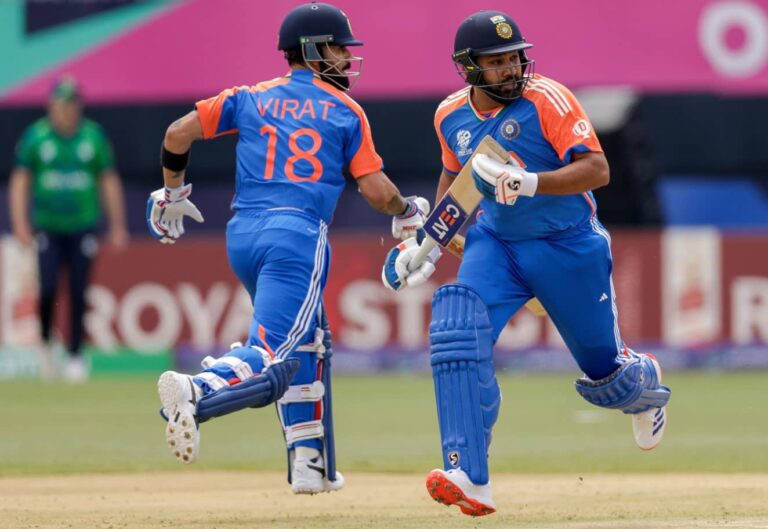
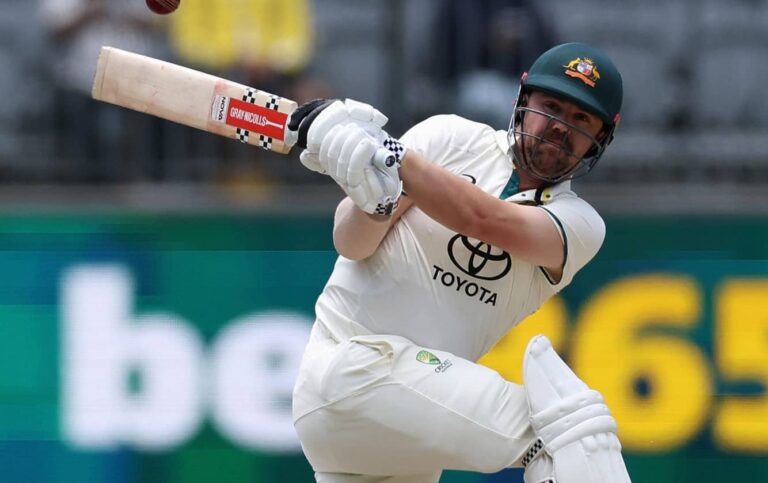
It’s the final over of a World Cup match. The batter pushes for a risky single. The fielder throws. The stumps break.
Everyone looks at the big screen. The replay zooms in on a thin white line. The batter’s bat is still in the air. He’s out by inches.
That white line is called the popping crease. It’s one of several lines on the pitch that control the entire game.
But most fans don’t know how many of these lines exist or what they actually do.
If you’ve ever been confused about the markings on a cricket pitch, this guide will clear it up.
You’ll learn how many creases there are in cricket, what each one does, and why they matter in every match you watch.
How Many Creases Are There in Cricket?
Understanding What a Crease Is in Cricket
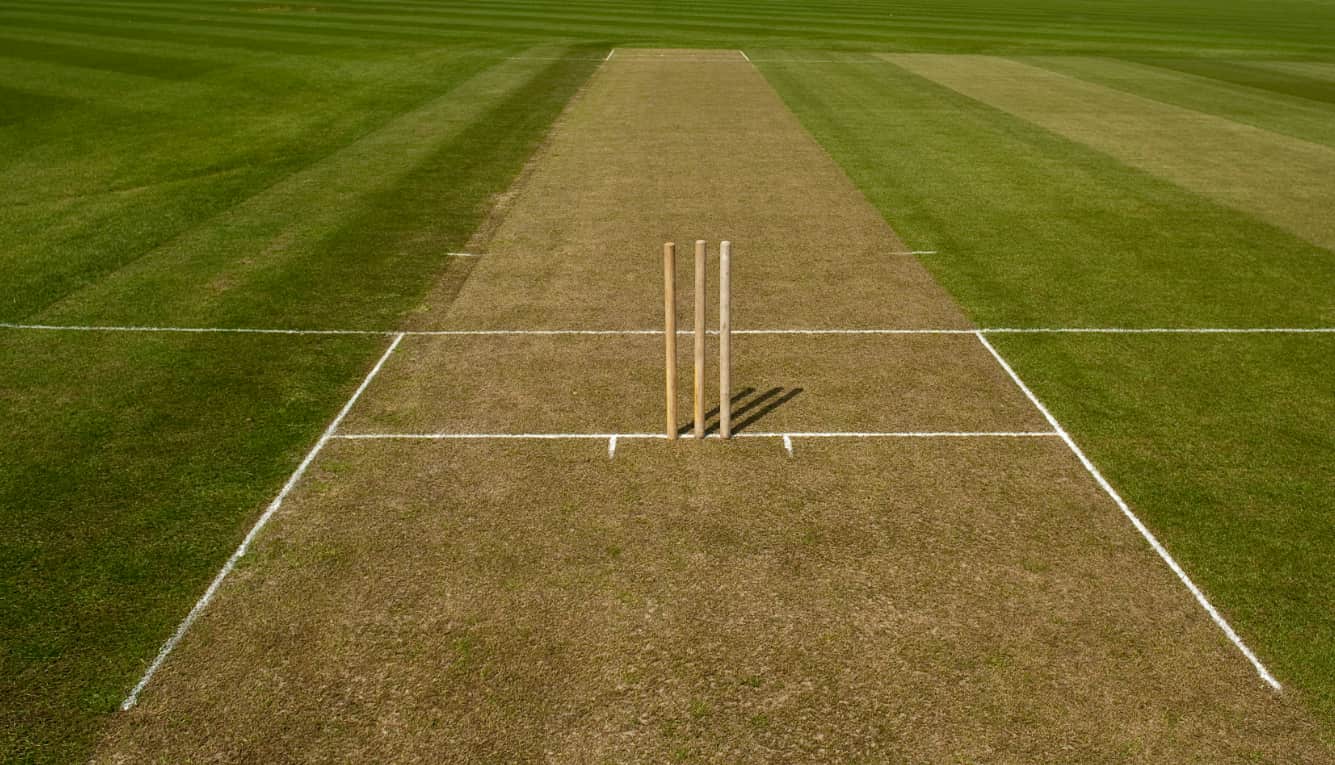
A crease is a white line painted on the pitch. It acts as a boundary that controls where players can move and helps umpires make decisions.
For batters, creases mark safe zones. Get your bat or body behind the line, and you’re protected from run-outs. Step out without staying grounded, and you’re at risk.
For bowlers, creases define legal delivery zones. Cross the front line with your foot, and it’s a no-ball. Land your back foot outside the sidelines, and the delivery doesn’t count.
Without these lines, cricket would be chaos. Umpires couldn’t judge dismissals fairly. Bowlers could deliver from anywhere. The game would lose its structure.
These lines aren’t decorative. They’re the foundation of cricket’s rules.
How Many Creases Are on a Standard Cricket Pitch?
There are eight creases on every cricket pitch.
This number stays the same whether you’re watching a Test match at the MCG, an ODI in Johannesburg, or a T20 game at Eden Gardens.
The format doesn’t matter. The venue doesn’t matter. The crease count is always eight.
Here’s the breakdown:
- 2 Popping Creases (one at each end)
- 2 Bowling Creases (one at each end)
- 4 Return Creases (two at each end)
That’s three different types of lines, repeated at both ends of the pitch. Each type serves a unique purpose.
The popping crease protects batters and checks the bowler’s foot placement.
The bowling crease marks where the stumps sit. The return creases control back-foot positioning for bowlers.
Whether you’re watching international cricket or domestic leagues in India, these eight lines are always present.
Breaking Down the Types of Creases in Cricket
Let’s look at each crease type individually. Understanding their roles makes following the game much easier.
Popping Crease
The popping crease is the most critical line for batters.
It sits 4 feet (1.22 meters) in front of the stumps and runs parallel to the bowling crease.
This is the line that determines whether a batter is safe or out during run-outs and stumpings.
When a close run-out goes to the third umpire, they check if the batter’s bat or body was grounded behind this line when the bails came off. Even a centimeter matters.
Bowlers must also respect this line. If their front foot lands beyond it during delivery, the umpire calls a no-ball. The batting side gets an extra run.
In limited-overs formats, the next delivery often becomes a free hit where the batter can’t get out except by run-out.
Remember the 2019 World Cup semifinal between India and New Zealand? Ravindra Jadeja was run out by Martin Guptill’s direct hit.
The replays showed his bat was just short of the popping crease. India lost by 18 runs. That one line decided their World Cup campaign.
Bowling Crease
The bowling crease is where the stumps are placed.
It measures 8 feet 8 inches (2.64 meters) in length and runs horizontally across the pitch. This line forms the base for both sets of stumps at either end.
For bowlers, the front edge of this line matters most. Their front foot must land behind or on it during delivery. Cross it, and the umpire signals a no-ball immediately.
Bowlers train extensively to get their front foot as close to the line as possible without overstepping.
A longer stride means more momentum and potential pace. But one inch too far, and the delivery is wasted.
During the 2007 World Cup final, Australia’s Glenn McGrath bowled Sri Lanka’s Sanath Jayasuriya with what looked like a perfect delivery.
But replays showed McGrath had overstepped. The wicket was cancelled. Sri Lanka got a second chance.
Return Crease
The return crease doesn’t get much attention, but it’s equally important.
These vertical lines run on either side of the stumps. There are two at each end (four total). They extend perpendicular to the bowling crease.
A bowler’s back foot must land inside these lines during delivery. If the back foot touches or crosses the return crease, it’s a no-ball.
This rule prevents bowlers from delivering from extreme angles that would give them an unfair advantage.
Without return creases, a bowler could stand almost at square leg and bowl from there.
Umpires watch this during every delivery. It’s subtle, but in tight matches, even this detail can change outcomes.
Detailed Crease Measurements and Positions
Here’s a precise breakdown of each crease type and its specifications:
| Crease Type | Dimension | Key Function |
|---|---|---|
| Popping Crease | 4 feet from stumps (parallel) | Batter safety line, bowler no-ball check |
| Bowling Crease | 8 feet 8 inches (horizontal) | Stump base, front-foot delivery marker |
| Return Crease | Perpendicular to the bowling crease | Back-foot boundary for bowlers |
These measurements are standardized by the ICC. The cricket crease length in feet remains identical across all formats and countries.
A pitch in Mumbai follows the same dimensions as one in London or Sydney.
This standardization ensures fairness. Every player knows exactly what to expect, no matter where they’re playing.
Are Crease Rules Different in T20 and IPL?
No. The crease rules stay the same across all formats.
Many fans wonder how many creases are there in cricket changes between Tests, ODIs, and T20s.
It doesn’t. The eight creases remain in the same positions with identical measurements.
What changes is how players use them.
- In Test Cricket:
Batters stay conservative around the crease. They rarely leave it unless necessary. The risk isn’t worth it when you’re trying to bat for two sessions.
- In ODI Cricket:
Batters occasionally step out to disrupt spinners. But they remain cautious. A careless dismissal can cost the team momentum.
- In T20 Cricket (Including IPL):
Batters regularly charge down the pitch. They leave the crease early to smash sixes.
It’s aggressive, high-risk cricket. If the bowler holds back and the keeper collects, it’s a stumping.
The IPL sees more crease-related dismissals than any other format. MS Dhoni has stumped countless batters who ventured too far.
His lightning-fast hands and awareness of the crease made him the most dangerous keeper in T20 history.
But the lines themselves? Identical to Test cricket. How many creases are there in cricket IPL matches? Still eight, with the same rules.
What “At the Crease” Really Means?
This phrase appears constantly in cricket commentary.
When someone says a batter is “at the crease,” it literally means they’re currently batting.
They’re standing near the popping crease, facing the bowler.
But the phrase carries a deeper meaning.
A batter who is “well set at the crease” has found rhythm. They’re reading the ball cleanly.
They’re scoring without taking unnecessary risks. In Test matches, this might mean batting for four hours without a mistake.
In T20 formats, being settled at the crease means controlling the tempo while staying aggressive.
You’re not throwing your wicket away, but you’re also punishing bad balls.
The phrase captures both position and mindset. It’s about confidence, timing, and control under pressure.
How Creases Influence Critical Match Moments?
Creases don’t just sit there. They decide match outcomes.
For Batters:
- Staying behind the popping crease protects you from run-outs.
- Every millimeter counts when sliding your bat in.
- During stumpings, this line is the difference between surviving and walking off.
For Bowlers:
- The front foot must stay behind the popping crease.
- The back foot must land inside the return crease.
- Violate either, and you hand the opposition free runs.
For Umpires:
- Creases provide clear reference points for every dismissal.
- They judge run-outs, stumpings, and legal deliveries using these lines.
- In tight calls, frame-by-frame replays focus entirely on crease positioning.
One famous example: The 2005 Ashes. England vs Australia at Edgbaston. England needed two runs to win off the last over. Michael Kasprowicz edged behind. Australia appealed. But replays showed Brett Lee had overstepped the popping crease. No-ball. England got another chance and won by two runs.
That single inch changed Ashes history.
Expert Insight: Crease Discipline Wins Championships
Former Australian captain Steve Waugh once said that champions respect the crease.
He wasn’t talking about talent. He was talking about awareness and discipline.
Great batters know their position relative to the popping crease without looking down. They feel it instinctively.
When they dive during run-outs, their bat reaches behind the line automatically.
Similarly, elite bowlers land their front foot right on the edge consistently.
They maximize their delivery stride without overstepping. This takes years of muscle memory and practice.
In pressure situations, players without crease discipline crack. A bowler oversteps when taking a crucial wicket.
A batter assumes they’re safe without grounding their bat properly. These mistakes cost championships.
The 2023 World Cup final between India and Australia saw multiple tight run-out appeals. Players who respected the crease survived. Those who didn’t pay the price.
Crease awareness isn’t flashy. But it separates good teams from great ones.
Common Crease Mistakes Even Professionals Make
Even experienced international players make errors around the crease.
- 1. Lifting the bat during run-outs
Batters sometimes slide their bat across the line but lift it slightly at the last moment. If the stumps break while the bat is in the air, they’re out.
- 2. Overstepping while bowling fast
Fast bowlers push for extra pace. They extend their stride. The front foot crosses the line. The wicket doesn’t count.
- 3. Assuming safety without grounding properly
Batters dive and assume they’re safe. But replays show their bat bounced just as the bails came off. Out.
- 4. Ignoring the return crease
Bowlers focus so much on front-foot placement that they forget about back-foot positioning. The back foot lands outside the return crease. No-ball.
These mistakes happen at all levels. They’re more common than you’d think.
FAQs
- How many creases are there in cricket in India?
There are eight creases on every cricket pitch in India, following the same ICC standards as pitches worldwide.
- Does the cricket crease length in feet change for different formats?
No. The crease measurements remain identical across Tests, ODIs, and T20s. The popping crease is always 4 feet from the stumps, and the bowling crease is always 8 feet 8 inches long.
- What happens if a bowler crosses the return crease?
It’s a no-ball. The delivery doesn’t count, and the batting side gets an extra run.
- Can a batter be out if their bat is touching the crease line?
Yes. The bat must be grounded behind the line. Touching the line counts as being outside the safe zone.
- Are creases repainted before every match?
Yes. Groundsmen mark fresh creases before each match to ensure they’re clearly visible for umpires and players.
Wrapping It Up
Understanding how many creases are there in cricket transforms how you watch the game.
These eight lines govern fairness, movement, and decision-making at every level.
Next time you watch a match, pay attention to these lines. Notice how batters ground their bats during tight singles.
Watch how bowlers position their feet during delivery. These details matter more than you realize.
Cricket isn’t just about power hitting and fast bowling. It’s also about precision and discipline. And the creases sit at the heart of that precision.
More Cricket Guides:
Sources:
About the Author