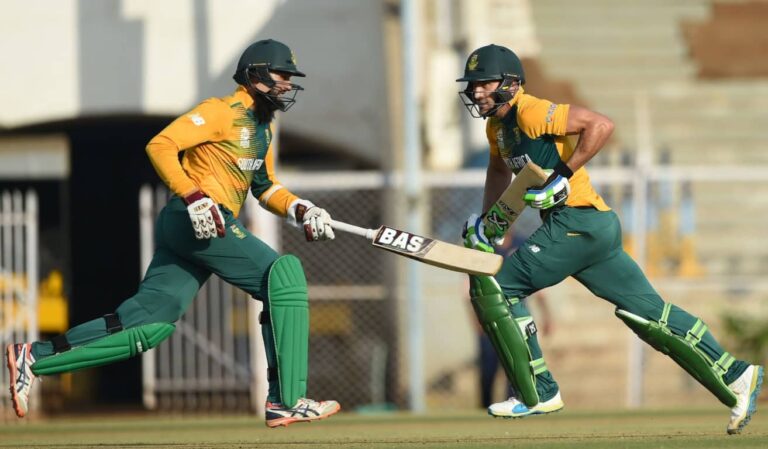
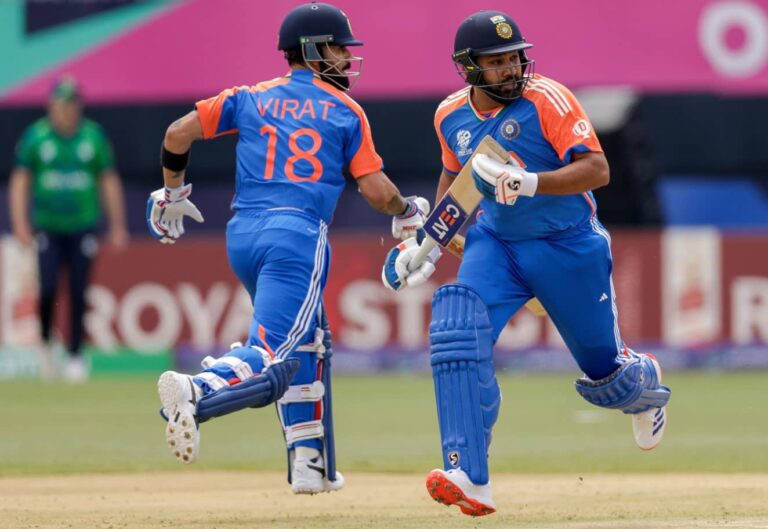
How to grip a cricket bat is the starting point of every successful innings, yet it remains one of the most overlooked fundamentals in cricket coaching.
Most beginners rush into batting without understanding that their hand placement directly determines shot quality, timing, and control.
A correct grip connects your intent to the bat’s movement. It shapes how you execute a cover drive, absorb a fast bouncer, or play a delicate late cut.
How to Grip a Cricket Bat?
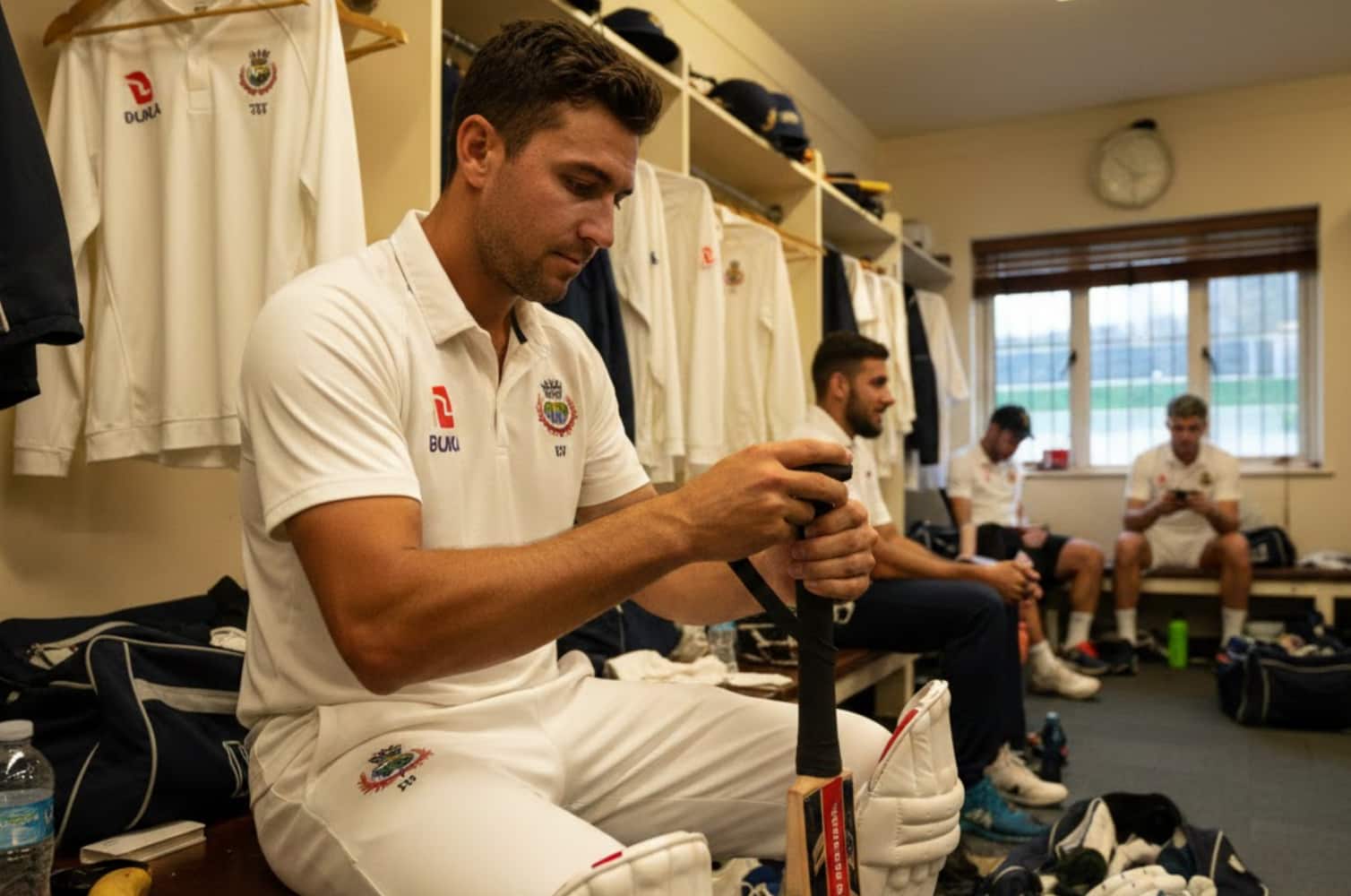
Before working on footwork or shot selection, get the grip right. Everything else builds from there.
What is a Cricket Bat Grip?
What is a Cricket Bat Grip is a question that defines the starting point of proper batting technique. A cricket bat grip is a textured rubber sleeve fitted over the bat handle to provide traction, shock absorption, and a comfortable hold during play.
Made from rubber with varying surface patterns, grips come in different thicknesses to suit different hand sizes and playing styles. Some are thin for maximum bat feel, while others are heavily cushioned for comfort against fast bowling.
Every batter, from beginner to professional, relies on the grip as their direct physical connection to the bat. Choosing correctly shapes control, reduces fatigue, and improves overall shot consistency throughout a match or training session.
Why Your Cricket Bat Grip Matters?
- Shot Stability: The grip keeps the bat face aligned at the point of impact. A stable hold prevents the blade from twisting during drives or defensive strokes, producing more consistent shot direction and reducing unforced errors.
- Power Efficiency: Energy generated from the body and shoulders travels through the hands into the bat. A well-fitted grip ensures that power transfer is smooth and direct, improving both timing and the cleanness of contact at the crease.
- Shock Reduction: Quality grips absorb vibration caused by fast bowling and mistimed shots. Without adequate shock absorption, repeated impact travels directly into the hands, causing discomfort and potentially disrupting technique during long innings.
- Endurance Support: A comfortable grip reduces hand fatigue significantly during extended batting sessions. Players who use correctly matched grips maintain better control and concentration deep into an innings compared to those using worn or poorly fitted grips.
How to Grip a Cricket Bat?
How to Grip a Cricket Bat Correctly begins with understanding the distinct role each hand plays in controlling the blade during every type of shot.
- Position the Top Hand: For right-handed batters, the left hand sits higher on the handle and acts as the primary guide. The index finger provides directional control while the thumb wraps firmly to maintain stability throughout the stroke.
- Place the Bottom Hand: The right hand rests lower on the handle and supplies power through the swing. It completes the follow-through during attacking shots and supports balance during defensive play without dominating the top hand.
- Follow the V Rule: Align the thumb and index finger of both hands to form a V shape pointing toward the bat’s spine. This alignment keeps the bat face straight at impact and is the single most important checkpoint in correct grip technique.
- Control Grip Pressure: Maintain a firm but relaxed hold throughout every shot. Gripping too tightly stiffens the wrists and limits natural bat flow. Imagine holding a small bird, secure enough to retain control but gentle enough not to restrict movement.
- Maintain Balanced Stance: Stand with knees slightly bent, shoulders relaxed, and weight gently forward over the balls of the feet. Proper posture allows the grip to function effectively and supports smooth weight transfer into each shot.
Different Types of Cricket Bat Grips
Different Types of Cricket Bat Grips vary in texture, thickness, and surface design to suit contrasting batting styles and conditions.
- Chevron Grip: A thin, V-patterned grip offering maximum tactile feedback and bat control. It suits technically sound, timing-based batters who rely on precision and wrist freedom rather than brute striking power at the crease.
- Octopus Grip: Features thick, bubble-like cushioning that effectively absorbs shock from fast deliveries and hard pitches. It is the preferred choice for players who face high-speed bowling regularly or need extra comfort during extended innings.
- Diamond Grip: Raised diamond-shaped textures provide multi-directional traction, improving hold from various grip angles. It balances control with shock absorption, making it a dependable option for players seeking stability without sacrificing bat feel.
- Ribbed / Wave Grip: Longitudinal ridges along the handle surface create enhanced tactile feedback during play. Wristy players who depend on soft hands, quick adjustments, and precise bat face control during delicate and improvisational shots favour this grip type.
- Scale / Dynamic Grip: Mixed texture across a moderate thickness delivers balanced comfort and reliable friction. This grip suits all-round players who want consistent performance across different formats, surfaces, and varying bowling speeds without specialised preferences.
Types of Cricket Bat Grip at a Glance
Types of Cricket Bat Grip differ across five core designs. Each one targets a specific batter profile and condition.
Matching grip to playing style makes a measurable difference.
| Grip Type | Texture/Feel | Best For |
|---|---|---|
| Chevron | Thin, V-pattern | Precision players |
| Octopus | Thick, cushioned bubbles | Fast bowling & long innings |
| Diamond | Multi-directional pattern | Balanced players |
| Ribbed/Wave | Long ridges | Wristy batters |
| Scale/Dynamic | Mixed texture | All-rounders |
Single Grip vs Double Grip
Single Grip vs Double Grip is a practical choice that depends on your comfort preferences and the bowling you face most often.
A single grip offers better raw bat feel, lighter pickup, and quicker wrist movement, making it the natural choice for timing-based and technically minded players.
A double grip adds an extra layer of cushioning over the handle, reducing vibration and increasing handle thickness slightly.
This suits power hitters and players who regularly face fast bowling on hard pitches where hand protection matters.
| Feature | Single Grip | Double Grip |
|---|---|---|
| Feel | More bat feel | More cushioning |
| Weight | Lighter | Slightly heavier |
| Vibration | Moderate | Reduced |
| Best For | Timing players | Power hitters & fast bowling |
How to Choose the Best Cricket Bat Grip?
- Playing Style: Aggressive batters benefit from thicker, cushioned grips that support powerful hitting and absorb impact. Defensive and wristy players typically prefer thinner grips that allow greater bat feel and more precise shot placement.
- Hand Size Fit: Larger hands require thicker grips for a comfortable and secure hold during play. Smaller hands suit thinner grips that allow tighter control, quicker wrist rotation, and more confident shot execution across different deliveries.
- Sweat Management: Players with sweaty palms need textured or ribbed grips that maintain friction in humid conditions. A smooth grip that becomes slippery mid-innings directly compromises bat control and can cause technical errors under pressure.
- Pitch Conditions: Hard and fast pitches demand shock-absorbing grips to protect the hands from jarring impact. In hot and humid environments, grips with superior moisture management maintain a reliable hold throughout the entire innings.
- Handle Comfort Preference: Some players prefer a slim handle for quick wrist rotation and enhanced feel through each shot. Others perform better with a thicker handle that provides additional cushioning and a more secure connection under match pressure.
Cricket Bat Grip Price Guide
Cricket Bat Grip Price varies depending on brand reputation, rubber quality, and grip design complexity. Here is a simple breakdown to guide your purchase decision.
- Budget Range (₹50–₹150): Basic rubber grips suited for beginners and casual practice sessions. These provide standard traction and limited cushioning but have moderate durability under regular training conditions.
- Mid-Range (₹150–₹300): Branded grips from manufacturers including SS, SG, and Kookaburra offer improved texture, better comfort, and greater durability. These are well-suited for regular club and school cricketers playing multiple sessions per week.
- Premium (₹300–₹600+): Pro-grade and imported grips engineered for serious players. They deliver superior cushioning, effective vibration control, and advanced moisture management designed for long innings and high-intensity match environments.
- Smart Replacement Advice: Replace your grip every 20 to 30 hours of active play. If it shows signs of cracking, shininess, or slipping before that point, replace it immediately to maintain reliable bat control and consistent hand comfort.
How to Install and Maintain Your Cricket Bat Grip?
Understanding how to Install Cricket Bat Grip correctly ensures it sits evenly, stays secure, and performs as intended from the very first use.
Equally, knowing how to Maintain Cricket Bat Grip extends its lifespan and keeps your hold reliable across the entire playing season.
Tools Needed
- Grip cone — Used to stretch the grip open before fitting it over the handle.
- Talcum powder — Applied inside the grip to reduce internal friction during installation.
- Tape (optional) — Used to secure the base of the grip at the splice if needed.
Installation (Reverse-Roll Method)
- Remove Old Grip: Peel the existing grip off completely and wipe the handle clean to remove any residue before fitting the replacement.
- Add Powder Inside New Grip: Dust talcum powder generously inside the new grip to reduce friction and allow smooth, even rolling during the fitting process.
- Stretch Over Handle: Place the grip over the cone, stretch it open at the top, and carefully position it over the top of the bat handle.
- Unroll Smoothly Downward: Unroll the grip evenly down the handle in one continuous motion, keeping tension consistent to avoid bunching or uneven surfaces.
- Align and Secure: Press the base of the grip flat against the splice and secure the bottom edge with tape if required to prevent lifting during play.
Maintenance Tips
- Wipe After Every Session: Use a dry cloth to remove sweat and moisture from the grip surface after each training or match session to slow rubber degradation.
- Store in Dry Place: Keep the bat away from direct sunlight and damp environments that cause the rubber to harden, crack, or lose surface texture prematurely.
- Replace When Slippery or Cracked: A grip showing visible cracking, shininess, or reduced friction has lost its effectiveness. Replace it promptly to avoid compromising control and increasing the risk of hand discomfort.
Common Cricket Grip Mistakes
- Holding Too Tight: Gripping the handle with excessive pressure stiffens the wrists and reduces natural bat speed. This leads to mistimed shots, reduced power transfer, and unnecessary hand fatigue during longer batting sessions.
- Incorrect V Direction: Misaligned V formation between the thumb and index finger causes the bat face to open or close at impact. This produces inconsistent shot direction and makes it difficult to play straight deliveries reliably.
- Ignoring Wear and Tear: Continuing to use a worn grip increases vibration, reduces traction, and raises the risk of blisters. Many players only notice the problem after technique has already been visibly affected during a match.
- Choosing Style Over Comfort: Selecting a grip based on appearance or trend rather than fit and function is a common error. An unsuitable grip thickness or texture negatively affects confidence, control, and overall batting performance from the very first session.
FAQs
- Which cricket bat grip is best for beginners?
The chevron or scale grip suits beginners due to its balanced thickness and reliable traction. They offer good control without being overly specialised, allowing new players to develop correct hand technique naturally.
- How often should I replace my cricket bat grip?
Replace your grip every 20 to 30 hours of play. If the surface becomes shiny, cracked, or slippery before that point, replace it immediately to maintain reliable bat control and hand comfort during play.
- Can I use a double grip on any cricket bat?
Yes, a double grip fits most standard bat handles. However, it increases handle thickness and weight slightly, which may affect pickup and balance. Always test it during practice before using it in a competitive match situation.
- Does knowing how to grip a cricket bat correctly improve shot timing?
Yes, significantly. Correct hand placement and V alignment keep the bat face straight at impact, directly improving timing across drives, pulls, and defensive strokes. Poor grip technique is one of the leading causes of mistimed shots at all levels.
- What is the V grip rule in cricket?
The V grip rule refers to the alignment formed between the thumb and index finger of both hands pointing toward the bat’s spine. This positioning keeps the bat face straight and is the foundational checkpoint of correct batting grip technique.
Conclusion:
How to grip a cricket bat is not a one-time adjustment but a continuous discipline that every serious batter must reinforce through deliberate practice.
The grip sits at the foundation of every shot you play, every delivery you face, and every innings you build.
Whether you are selecting your first grip or upgrading from an old, worn one, the choice you make directly shapes your confidence and control at the crease.
Get comfortable, get aligned, and get consistent from the very first session.
- Choose the Right Type: Match your grip design to your playing style, hand size, and the surfaces you bat on most regularly.
- Prioritize Comfort: A grip that feels natural from the first use allows you to bat longer and with greater technical consistency.
- Replace on Time: Change your grip every 20 to 30 hours of play to maintain reliable traction and avoid performance drop-off.
- Practice Consistently: Reinforce correct V alignment and hand positioning through regular net sessions and mirror practice until the grip becomes second nature.
Also Check:
About the Author