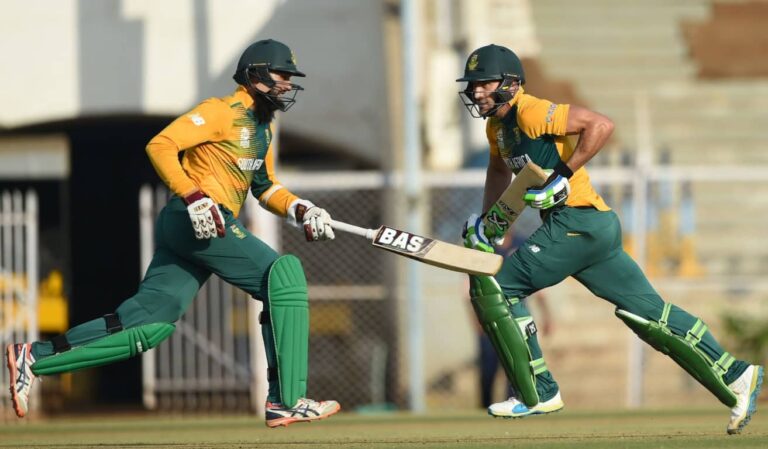
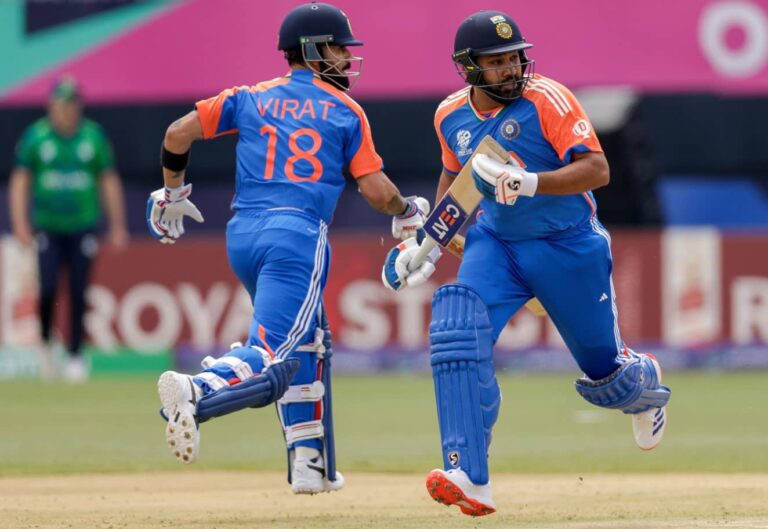
The Ranji Trophy has produced more Indian Test cricketers than any other competition.
Yet for most of its history, the players who built that legacy were paid surprisingly little for the time and effort they put in.
That has changed, gradually and meaningfully.
The Ranji Trophy player salary in 2026 is at its highest ever, and the BCCI is considering further revisions.
Ranji Trophy Player Salary
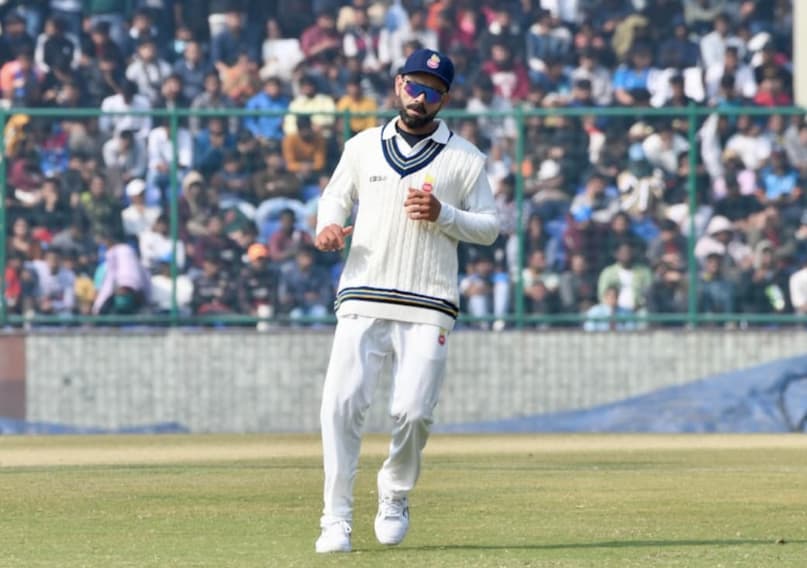
Whether you follow domestic cricket closely or want to understand what players earn beyond the IPL, this breakdown covers everything: daily match fees by experience category, full-season earnings projections, reserve pay rates, and where BCCI’s proposed reforms are headed.
Ranji Trophy Player Salary 2026: BCCI Pay Structure Explained
BCCI pays Ranji Trophy players a daily match fee.
The rate is not the same for everyone. It depends on career experience and playing status.
Three things determine what a player earns per day:
- Total first-class matches played (career experience bracket)
- Playing XI or reserve status for each match
- Non-playing squad inclusion (still earns a daily fee)
Here is the full structure:
| Experience Category | Playing XI (Per Day) | Reserve (Per Day) |
|---|---|---|
| 41–60 matches | ₹60,000 | ₹30,000 |
| 21–40 matches | ₹50,000 | ₹25,000 |
| 0–20 matches | ₹40,000 | ₹20,000 |
| Non-playing squad | ₹25,000 | — |
A standard Ranji Trophy match is played over four days. A fifth reserve day is possible in knockouts.
So a senior player in the playing XI earns ₹2.4 lakh per match in the group stage.
In a knockout with a fifth day, that goes up to ₹3 lakh.
Ranji Trophy Per Match Fees: What Each Category Actually Pays?
Senior Players (41+ Matches)
This is the top bracket. Players with 41 or more first-class appearances earn ₹60,000 per day in the playing XI.
Over a four-day match, that is ₹2.4 lakh per game.
These are typically state regulars in their late 20s or 30s, players who have built long domestic careers and often served as team leaders.
Mid-Career Players (21–40 Matches)
The middle bracket earns ₹50,000 per day, or ₹2 lakh per match.
This covers players in their prime developmental years, usually in their mid-20s, building toward state regularity or national selection.
Emerging Players (0–20 Matches)
New entrants earn ₹40,000 per day, or ₹1.6 lakh per four-day match.
Given that the national U-19 and A-team pipeline feeds directly into this bracket, these are often talented young cricketers taking their first steps in the Ranji Trophy.
Reserve and Non-Playing Members
Reserves earn 50% of the playing XI rate for their bracket. Non-playing squad members receive ₹25,000 per day regardless of experience.
The BCCI includes this to ensure that squad depth players, those who train, travel, and support the team without playing, are not left unpaid.
Ranji Trophy Player Salary Per Season: Full Campaign Breakdown
A Ranji Trophy season runs from October to late February or early March.
Teams play group stage matches plus knockouts if they advance. A typical full campaign runs 8 to 10 matches.
Here is what a senior player (41+ matches, playing XI) earns based on how far the team goes:
| Season Stage | Matches Played | Approx. Earnings (₹) |
|---|---|---|
| Early group exit | 4–5 | ₹9.6–12 lakh |
| Full group stage | 6–7 | ₹14.4–16.8 lakh |
| Semifinal exit | 7–8 | ₹16.8–19.2 lakh |
| Final appearance | 9–10 | ₹21.6–24 lakh |
For a younger player in the 0–20 match bracket, the same journey pays roughly ₹6.4–16 lakh, depending on playing status and the number of matches.
These are match fee earnings only. State contracts, performance bonuses, and BCCI central retainership (for internationally capped players) can add to this figure.
How Reserve Day and Knockout Matches Affect Pay?
This is a detail that most salary breakdowns skip.
In Ranji Trophy knockout matches, a reserve fifth day is scheduled.
If the match extends to that day, players earn an additional day’s fee.
For a senior player in the playing XI, that is ₹60,000 extra per knockout match that runs for five days.
Teams that play three knockout rounds and win all of them can add ₹1.8–3 lakh to their total just from reserve day earnings across those matches. It is not huge money, but it is real and worth knowing.
What BCCI’s Proposed Salary Hike Could Mean?
The BCCI has been reviewing the domestic pay structure with a view to doubling current match fees.
If the proposed revision goes through, senior players could earn close to ₹1 lakh per day in the playing XI.
That would push full-season earnings to ₹75 lakh to ₹1 crore for a team that reaches the final.
No formal announcement has been confirmed as of 2026. But the direction is clear.
The IPL broadcast revenue and ICC event income have significantly expanded BCCI’s financial capacity, and domestic player pay is part of the reinvestment agenda.
For context, former India opener Aakash Chopra recalled earning ₹1,700 per match in the 1990s.
By the time his career ended, the daily rate had climbed to around ₹10,000.
The jump to today’s ₹40,000–₹60,000 per day is dramatic, and another revision would continue that arc.
Ranji Trophy vs. Other Domestic Formats: Pay Comparison
Players who are Ranji regulars also play in shorter formats through the domestic calendar. The pay varies by format.
| Format | Match Duration | Senior Playing XI Fee (Approx.) |
|---|---|---|
| Ranji Trophy | 4–5 days | ₹2.4–3 lakh per match |
| Vijay Hazare Trophy | 1 day | Lower per match, higher frequency |
| Syed Mushtaq Ali | 1 day (T20) | Lower per match |
| Duleep Trophy | 4–5 days | Similar to Ranji Trophy |
The BCCI does not publish exact match fees for each tournament publicly, but the Ranji Trophy remains the highest-paying per match because of its multi-day format.
A player active in all three formats across a full domestic calendar can accumulate ₹30–45 lakh annually in match fees before any other income sources.
The IPL Earnings Gap: Honest Numbers
Let us not pretend the gap is small.
An uncapped IPL player on the minimum contract earns ₹20 lakh for a season of roughly six to seven weeks.
A player bought at ₹50 lakh earns that for the same window. Stars earn crores.
Ranji Trophy takes far more time. The season runs nearly five months.
Players travel across India, often in modest conditions, and play demanding four-day cricket.
The mental and physical load is heavier than T20 cricket by almost any measure.
The proposed BCCI fee revision is partly a response to this imbalance.
The goal is to make domestic red-ball cricket financially viable as a career on its own, without players needing IPL selection to earn a decent living.
Building a Long Career: Lifetime Earnings from Domestic Cricket
Here is a perspective most articles do not give.
A player who makes their Ranji debut at 22 and plays domestic cricket consistently until 33 will play roughly 80–100 first-class matches.
Add Vijay Hazare and Syed Mushtaq Ali matches, and the total domestic matches across a career can reach 150–200 across formats.
At current rates, a consistent domestic cricketer who reaches the 41+ experience bracket can earn ₹20–25 lakh per Ranji season.
Over a 10-year career, that is ₹2–2.5 crore from Ranji Trophy alone, before state contracts and other formats.
It is not IPL money. But it is a professional cricket income, and the reforms in progress suggest that number will go up.
FAQs
- Q1. What is the Ranji Trophy player per match fee in 2026?
Senior players (41+ matches) earn ₹60,000 per day in the playing XI. Over four days, that totals ₹2.4 lakh per match. Players in the 0–20 match bracket earn ₹40,000 per day, or ₹1.6 lakh per match.
- Q2. How much can a player earn in a full Ranji Trophy season?
A senior player whose team reaches the final can earn ₹21.6–24 lakh in match fees. For players in lower experience brackets, a deep run pays ₹15–19 lakh.
- Q3. What do reserve players earn?
Reserve players earn 50% of the playing XI rate for their experience bracket. Non-playing squad members receive ₹25,000 per day regardless of experience.
- Q4. Is BCCI planning a salary hike for Ranji Trophy players?
Yes. Reports indicate BCCI is reviewing a proposal to roughly double current match fees. If approved, senior players could earn close to ₹1 lakh per day, making full-season earnings of ₹75 lakh to ₹1 crore. No official confirmation has been made yet.
- Q5. How does Ranji Trophy pay compare to IPL contracts?
IPL minimum contracts start at ₹20 lakh for a six to seven-week season. Ranji Trophy pays ₹22–25 lakh for a five-month season that demands significantly more. The gap is real, and the proposed BCCI hike is aimed at narrowing it.
- Q6. Do Ranji Trophy players earn anything beyond match fees?
Yes. State cricket associations often offer annual contracts on top of BCCI match fees. Players capped internationally also receive BCCI retainership fees. Performance bonuses may apply at the state level.
Conclusion:
The Ranji Trophy player salary structure in 2026 pays senior players ₹60,000 per day in the playing XI, with a full season potentially worth ₹22–25 lakh.
A BCCI hike proposal, if confirmed, could push that to ₹75 lakh or more.
For cricket fans, these numbers matter because they reflect how seriously the BCCI treats domestic cricket.
Better domestic pay means more players are committed to first-class cricket, and that has a direct effect on the quality of India’s Test match pool.
For players considering a domestic career, the financial case in 2026 is stronger than ever.
About the Author