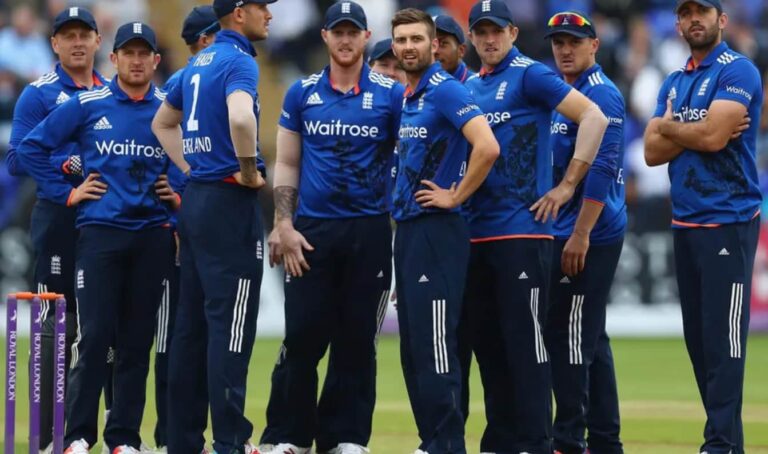
The match ends. One player’s name gets announced. Man of the Match.
Some selections feel obvious. A century under pressure. A five-wicket haul that destroyed the batting order.
Other times, fans immediately argue the choice on social media.
So who decides Man of the Match in cricket? And what makes them pick one player over another?
The answer changes based on the tournament. Different cricket bodies use different systems.
Some decisions come from expert committees. Others involve broadcaster choices or even public votes.
Who Decides Man of the Match in Cricket?
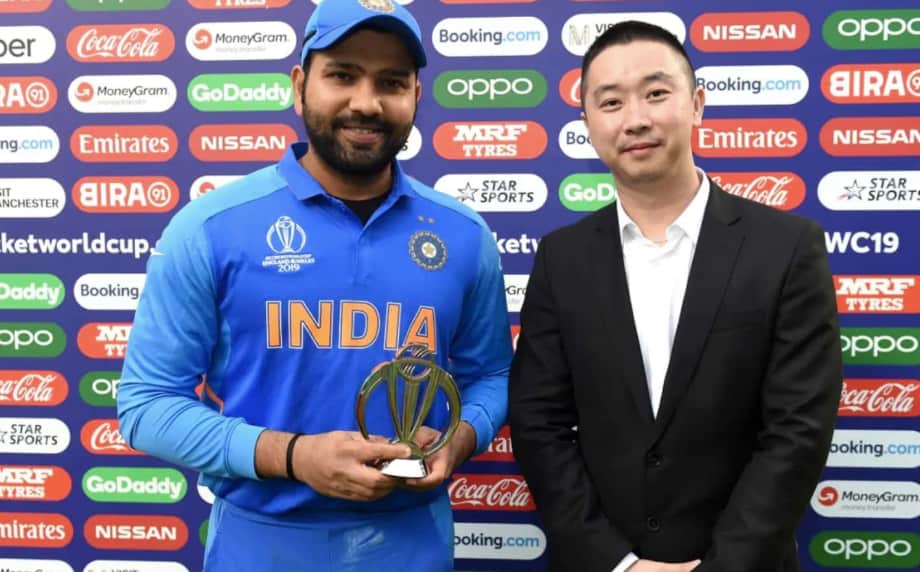
This guide explains the complete selection process, the people behind it, and why controversy follows certain picks.
The People Behind Man of the Match Decisions
Cricket doesn’t have one universal system for picking Man of the Match. The decision-making structure depends on who’s organizing the competition.
Broadcasting Networks Control Most Awards
TV channels that buy broadcasting rights usually sponsor the Man of the Match award.
That sponsorship gives them selection authority. They consult with on-air commentators, then announce the winner.
This system dominates bilateral series between countries.
When India plays Australia, Star Sports or Fox Sports typically makes the call based on expert input from their commentary team.
The broadcaster model works because commentators watch every delivery.
They analyzed tactics. They saw momentum shifts. Their collective judgment reflects the match narrative.
Expert Panels Run ICC Tournaments
World Cups, Champions Trophy, and other ICC events use formal panels. These groups include former international players and cricket analysts. They meet after the match to discuss performances.
The panel structure adds legitimacy. Multiple experts debating the choice produces more defensible outcomes than single-person decisions. When three former captains agree on a player, the selection carries weight.
Match Officials Provide Ground-Level Insight
Umpires and match referees see things cameras miss. They track player effort. They notice field placement adjustments. They understand game situations from angles that spectators never get.
Their input matters most in tournaments without broadcast control. When organizers want neutral, expert judgment, they turn to officials who watched from the middle.
Franchise Leagues Mix Multiple Voices
T20 leagues like the IPL blend several selection methods. Fan voting through apps.
Expert panel discussions. Broadcaster preferences. The league determines how much weight each voice carries.
This hybrid approach boosts engagement. Fans feel involved through voting.
Experts provide legitimacy. Broadcasters maintain some control for commercial reasons.
The percentage split varies by league and sometimes by match.
Team Captains Occasionally Break Ties
When two players delivered equally important performances, the captains may provide perspective.
They know which contribution felt more crucial from a tactical standpoint.
Captain input remains rare. Most tournaments avoid giving competing teams power over awards that affect player bonuses and recognition.
What Criteria Determine the Man of the Match Winner?
Once the decision makers are identified, they evaluate specific aspects of match performance. These factors guide the selection.
Match-Winning Contributions Rank Highest
The central question: did this player’s performance directly lead to victory?
A bowler who takes the last wicket with five runs needed gets serious consideration.
A batsman who scores 40 in a chase of 150 might beat someone who made 80 in the first innings.
Selectors prioritize players whose removal would likely change the result.
Timing Matters More Than Volume
Context beats raw numbers. A 30-run partnership for the ninth wicket that seals victory trumps a 60-run opening stand when the team made 220.
Similarly, two wickets in the 18th over of a T20 chase carry more weight than three wickets when the match was already decided.
Performance at pressure points gets rewarded.
All-Round Impact Creates Strong Cases
Players who influence multiple match phases stand out.
Scoring 45 runs plus taking 2 wickets demonstrates broader value than specialist contributions of similar magnitude.
Even modest numbers in both batting and bowling can win if they come when needed most.
Bowling Economy Competes with Wickets
A spell of 2/20 in four overs might beat 4/45 in ten overs, depending on the format. In T20 cricket, stopping runs matters as much as taking wickets.
Bowlers who bowl dot balls under pressure build match-winning pressure even without claiming wickets.
Fielding Influences Close Decisions
Outstanding fielding alone rarely wins the award. But when batting or bowling contributions are similar across candidates, fielding tips the scale.
A game-changing catch. A direct-hit run-out that shifted momentum. Boundary saves that prevented 15 runs. These moments stick in selectors’ minds.
The Winning Team Advantage (And Its Exceptions)
Statistics show roughly 90% of Man of the Match awards go to players from winning teams. This bias makes sense because winning proves impact.
Why Winners Usually Get Picked?
Victory validates contribution. A bowling spell that takes 4 wickets in a loss couldn’t finish the job. A century in defeat didn’t guide the team home.
Selectors gravitate toward performances that actually determined the outcome. Losing means something went wrong despite individual brilliance.
When Losing Players Still Win?
Exceptional individual performances occasionally overcome team failure. The standards are high. A player must deliver something extraordinary while their teammates collapse.
Recent examples include Ben Stokes in the 2016 T20 World Cup final (98 not out in a losing cause) and various instances where bowlers took 6 or 7 wickets but lost narrow matches.
For a losing player to win, their performance must dominate match discussions despite the result.
Format-Specific Selection Differences
Each cricket format emphasizes different skills, which affects Man of the Match criteria.
Test Matches Value Sustained Excellence
Five days allow multiple players to contribute significantly. Selectors look for consistency across innings and days.
A batsman who scores 80 in the first innings and 65 in the second.
A bowler who takes wickets in both innings while maintaining pressure. A wicketkeeper who claims crucial catches across multiple days.
Explosive moments matter less than sustained impact.
ODI Cricket Balances Multiple Skills
50-over matches create space for varied contributions.
Setting a strong total. Breaking dangerous partnerships. Accelerating in the death overs. Defending tight targets.
The winner typically influenced the second innings decisively.
Middle-order acceleration that set an unreachable target. Death bowling that defended a modest score.
T20 Format Rewards Explosive Impact
Short games compress timeframes. Two brilliant overs change everything.
Six sixes in an over. Four wickets in a spell that breaks the chase.
Strike rate and economy rate matter more than total runs or wickets.
A 35-ball 50 beats a 45-ball 65. A 2/18 spell beats 3/28.
Explosive moments win T20 Man of the Match awards.
Why Man of the Match Selections Generate Controversy?
Subjectivity guarantees debate. Different people value different contributions. Several factors fuel ongoing arguments.
Multiple Deserving Candidates Create Dilemmas
Close matches produce several heroes. The opening batsman who laid the foundation.
The middle-order finisher who sealed victory. The bowler who broke the key partnership.
Picking one feels arbitrary when three players contributed equally.
Fans of the overlooked players feel justified in questioning the choice.
Context Gets Lost in Statistics
Numbers mislead without context. A 50 at a strike rate of 125 in a run chase beats an 80 at 100 in the first innings.
But the lower score and fewer balls faced make the 50 look worse statistically.
Selectors who weigh context clash with fans who check only the scorecard.
Commercial Interests Sometimes Interfere
When broadcasters control the award, and commercial factors matter, suspicions arise. Star players bring viewers. Controversial picks generate social media engagement.
Some selections feel designed to maximize attention rather than recognize genuine performance. Fans notice patterns that suggest non-cricket factors influenced the choice.
Fan Voting Creates Popularity Contests
Leagues that include public voting sometimes see results skewed by fanbase size rather than performance quality.
The player from the team with more social media followers wins regardless of actual contribution.
This undermines the award’s credibility as a performance recognition tool.
How Fan Engagement Changed Modern Selection?
Social media transformed how some awards work. T20 leagues especially embraced fan participation.
The Fan Voting Model
Apps let viewers vote during the match’s final overs.
The interface shows candidate photos and basic stats. Voting closes shortly after the match ends.
Some leagues count fan votes as the sole determinant.
Others blend public voting with expert panel judgment at predetermined percentages.
Benefits of Fan Involvement
Engagement increases when fans feel they control outcomes.
Voting generates app usage data. Social media discussion multiplies. Leagues gain measurable interaction metrics.
For fans, voting creates investment in player recognition beyond just their favorite team.
Problems with Crowd-Sourced Selection
Popularity trumps performance in pure fan votes.
Players with large social followings win even after mediocre matches.
International stars beat local players regardless of actual impact.
Vote manipulation risks exist. Bot networks.
Organized fan campaigns. Geographic advantages based on time zones.
The award loses meaning when it reflects social media reach instead of cricket excellence.
The Evolution of Selection Systems
Cricket’s Man of the Match process changed significantly over the decades.
Early Days: Informal Recognition
Initially, match sponsors or organizers simply picked a player.
No formal criteria existed. Decisions were entirely subjective and rarely explained.
This casual approach worked when cricket coverage was limited, and fan scrutiny was minimal.
Broadcast Era: Professional Selection
Television coverage brought expert commentary and analysis.
Former players became selectors. Decisions gained supporting narratives explaining why particular contributions mattered.
The process professionalized but remained centralized with broadcasters.
Digital Age: Hybrid Models
Apps and social media enabled fan participation at scale.
Leagues experimented with blending expert judgment and public voting.
Modern systems try to balance legitimacy (expert panels) with engagement (fan votes).
The optimal mix remains debated.
FAQs
- Who has final authority over Man of the Match selection?
Authority varies by tournament. ICC events use expert panels of former players who vote collectively. Bilateral series typically give control to the broadcasting network sponsoring the award. Domestic T20 leagues may use fan voting, expert panels, or hybrid systems combining both approaches.
- What performance metrics matter most for Man of the Match?
Match impact ranks highest. Selectors ask whether the player’s contribution directly influenced who won. Timing of key moments matters more than total statistics. Runs or wickets during pressure situations carry more weight than similar numbers when the result was already decided.
- How common is it for losing team players to win Man of the Match?
About 10% of awards go to losing team players. These cases require extraordinary individual performances that dominated match discussion despite team defeat. Examples include game-changing bowling figures like 6 or 7 wickets, or centuries scored while teammates collapsed completely.
- Do fan votes actually determine Man of the Match winners?
In some T20 leagues, yes. The IPL and other franchise competitions include public voting through mobile apps. Some leagues make fan votes the sole determinant while others blend public input with expert panel judgment at set percentages like 50-50 or 70-30.
- Why do some Man of the Match selections cause angry reactions?
Subjectivity creates disagreement. Close matches produce multiple deserving candidates, so any choice feels unfair to some fans. Statistics without context mislead people who don’t understand match situations. Commercial interests occasionally influence selections when broadcasters control the award. Different people value different types of contributions.
- Can umpires vote for Man of the Match?
Umpires and match referees can provide input in tournaments without broadcast control. Their ground-level perspective adds value because they see player effort and tactical adjustments that spectators miss. However, most major competitions don’t give umpires direct voting power, instead relying on expert panels or broadcasters.
Conclusion:
Who decides Man of the Match in cricket? The answer depends entirely on the competition format and organizing body.
ICC tournaments use expert panels. Bilateral series defer to broadcasters.
Franchise leagues mix expert judgment with fan voting. The decision-making authority shifts based on who runs the event.
How is Man of the Match decided? Selectors evaluate match impact, performance timing, all-round contributions, and winning influence. They prioritize players whose performances directly determined outcomes.
The process stays subjective despite attempts at systematic evaluation.
Numbers inform decisions but don’t dictate them. Context matters more than statistics.
Multiple deserving candidates guarantee ongoing debate.
That debate reflects cricket’s complexity. Great matches produce multiple heroes.
Recognizing one doesn’t diminish others. The arguments among fans prove the sport’s depth and the passion it generates.
About the Author