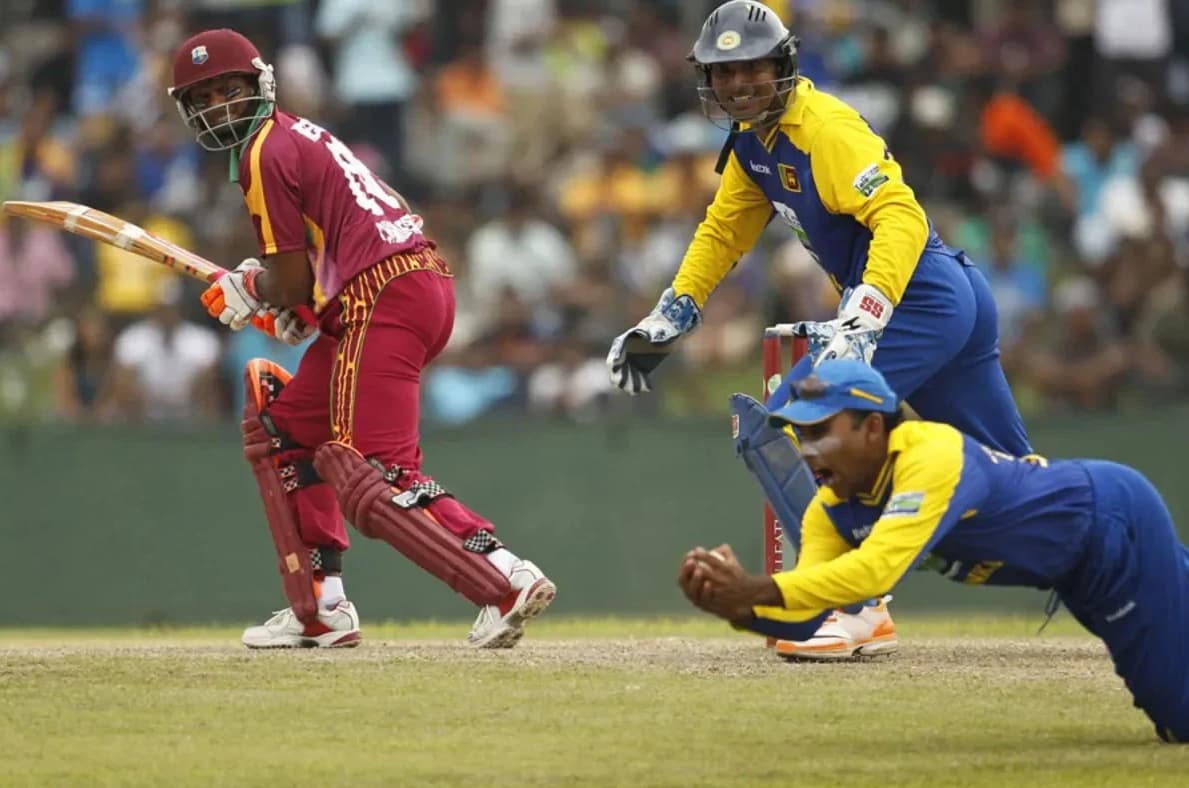
Catching remains one of cricket’s most underrated skills. The players with the most catches in ODI 2026 prove that brilliant fielding creates victories just like batting and bowling. Every sharp catch changes the match momentum instantly.
Elite fielders possess unique qualities. They anticipate ball trajectories before batsmen make contact. Their hands move instinctively toward the right position. They maintain focus through the entire innings without losing concentration.
Different fielding positions require specialized catching techniques. Slip fielders need quick reactions for edges. Outfield players judge high catches while running. Mid-wicket specialists handle powerful pulls and flicks.
Physical fitness directly impacts catching ability. Players must dive without hesitation. They sprint across boundaries to reach balls. They hold difficult positions for hours without tiring.
Mental strength matters equally. Dropped catches happen to everyone. Great fielders forget mistakes immediately and prepare for the next chance. They perform consistently across different conditions and pressure situations.
The best catchers combine natural talent with dedicated practice. They study opposition batting patterns. They position themselves based on bowler strategies. They communicate constantly with teammates about field placements.
Career longevity plays a crucial role in building impressive catch tallies. Players who maintain fitness and motivation across 15-20 years accumulate remarkable numbers. Their consistency across hundreds of matches separates them from ordinary fielders.
Players With The Most Catches In ODI 2026
Top 10 Players With The Most Catches In ODI (2026)
| Rank | Player Name | Country | ODI Matches | ODI Catches |
|---|---|---|---|---|
| 1 | Mahela Jayawardene | Sri Lanka | 448 | 218 |
| 2 | Virat Kohli | India | 308 | 167 |
| 3 | Ricky Ponting | Australia | 375 | 160 |
| 4 | Mohammad Azharuddin | India | 334 | 156 |
| 5 | Ross Taylor | New Zealand | 236 | 142 |
| 6 | Sachin Tendulkar | India | 463 | 140 |
| 7 | Stephen Fleming | New Zealand | 280 | 133 |
| 8 | Jacques Kallis | South Africa | 328 | 131 |
| 9 | Younis Khan | Pakistan | 265 | 130 |
| 10 | Muttiah Muralitharan | Sri Lanka | 350 | 130 |
Top 10 ODI Fielding Legends
1. Mahela Jayawardene (Sri Lanka) – 218 Catches
Mahela Jayawardene entered ODI cricket in 1997, facing India. His career spanned 2015 across 18 productive years. Multiple fielding positions utilized his versatile catching abilities throughout different match situations.
His 218 ODI catches established an unprecedented world record. The 0.49 catch-per-innings ratio reflects outstanding reliability. Jayawardene maintained exceptional standards despite varying pitch conditions and opposition strengths across continents.
Test cricket added substantial numbers to his overall catching record. His combined international format statistics demonstrate remarkable consistency. Jayawardene’s fielding benchmark continues to inspire current generation players.
2. Virat Kohli (India) – 167 Catches
Virat Kohli debuted against Sri Lanka on August 18, 2008. He rapidly became recognized among the top 10 players with the most catches in ODI. His athletic abilities translated into exceptional fielding contributions alongside batting dominance.
Through 308 ODI matches by 2026, Kohli secured 167 catches. His explosive speed and sharp hand-eye coordination made him dangerous anywhere on the field. Cover position was particularly suited to his diving capabilities and quick throws.
T20 and Test formats showcase additional catching achievements beyond ODIs. Match-winning grabs during crucial tournaments highlight his pressure-handling ability. Kohli’s all-round cricket impact includes consistent fielding excellence.
3. Ricky Ponting (Australia) – 160 Catches
Ricky Ponting commenced his ODI career in 1995. Retirement came in 2012 after 375 remarkable matches. Australian cricket dominance during his era reflected excellent captaincy combined with outstanding fielding standards.
Ponting’s 160 ODI catches came through slip and cover positions primarily. His lightning reflexes and secure hands created regular wicket-taking opportunities. Reading batsmen’s intentions helped him position perfectly before deliveries.
Test cricket statistics show over 360 catches across all international formats. His fielding legacy influenced countless Australian players who followed. Ponting set professional standards that transformed modern fielding approaches.
4. Mohammad Azharuddin (India) – 156 Catches
Mohammad Azharuddin started ODI cricket in 1984. His international journey continued until 2000 across 334 matches. Elegant wristy batting style combined beautifully with exceptional catching abilities.
Azharuddin grabbed 156 catches during his ODI tenure. Cover and mid-wicket positions benefited from his rapid reflexes. Soft hands transformed difficult chances into routine dismissals through superior technique.
Test matches contributed additional catches toward his international total. Combined format numbers exceeded 250 catches overall. Indian fielding traditions improved significantly through Azharuddin’s influence and example.
5. Ross Taylor (New Zealand) – 142 Catches
Ross Taylor began international cricket in 2006. New Zealand utilized his services across 236 ODI matches. Dependability made him central to strategic fielding arrangements throughout his career.
He accumulated 142 catches during ODI competitions. High-pressure situations showcased Taylor’s clutch catching abilities. Positioning awareness and trajectory judgment helped New Zealand secure numerous tight victories.
Test cricket saw Taylor claim 163 catches over 112 matches. Global elite fielder rankings included him based on combined format performance. Unwavering consistency characterized his entire international fielding career.
6. Sachin Tendulkar (India) – 140 Catches
Sachin Tendulkar debuted in ODIs in 1989, aged just 16. His career concluded in 2012 after 463 matches. Batting achievements overshadowed significant fielding contributions throughout his tenure.
Tendulkar secured 140 catches across his ODI career. Slip cordon and outfield positions utilized his reliable hands. Critical match situations frequently witnessed his safe catching under intense pressure.
Test matches added 115 catches to his statistics. Total international catches reached 255 across all formats. Tendulkar’s complete cricket contributions elevated Indian cricket’s global standing substantially.
7. Stephen Fleming (New Zealand) – 133 Catches
Stephen Fleming entered ODI cricket on March 25, 1994. New Zealand captaincy responsibilities consumed most of his career. He participated in 280 ODI matches before retirement.
Fleming’s ODI career produced 133 catches. Left-handed batting complemented excellent positional awareness in the field. Captaincy enhanced his understanding of strategic field placements and catching opportunities.
Test cricket contributed 171 catches to his record. Combined 306 catches across formats rank among cricket’s best. Fleming’s leadership directly improved New Zealand’s overall fielding culture and standards.
8. Jacques Kallis (South Africa) – 131 Catches
Jacques Kallis started ODI cricket in 1996. This legendary all-rounder played 328 matches until 2014. Batting, bowling, and fielding excellence made him completely irreplaceable.
Kallis claimed 131 catches throughout ODI competitions. Slip positions and outfield both suited his catching proficiency. Consistency across multiple team roles benefited South African cricket immensely.
Test cricket saw Kallis take 200 catches in 166 matches. His statistics represent the most catches in international cricket elite standards. Complete player status remains undisputed in cricket history.
9. Younis Khan (Pakistan) – 130 Catches
Younis Khan debuted against Sri Lanka in February 2000. His ODI career spanned 265 matches across 15 years. Middle-order batting stability anchored Pakistan’s lineup consistently.
Khan secured 130 catches during ODI cricket. Various fielding positions accommodated him based on tactical requirements. Reliable hands delivered crucial breakthroughs during tight match situations regularly.
All-format statistics show Younis Khan secured 281 international catches. Test cricket added meaningful numbers to this tally. His comprehensive contributions strengthened Pakistan cricket across multiple dimensions.
10. Muttiah Muralitharan (Sri Lanka) – 130 Catches
Muttiah Muralitharan debuted in ODIs on August 12, 1993. The legendary spinner competed in 350 matches spanning 18 years. Bowling records dominate discussions, but fielding contributions mattered significantly.
Muralitharan took 130 catches in ODI cricket. Deep fielding positions suited his bowling role primarily. Smart positioning and anticipation compensated for limited athletic mobility.
All international formats combined show 203 total catches. Test cricket added 73 catches across 133 matches. Sri Lankan cricket owes an immeasurable debt to his multifaceted impact.
Fielding Excellence Shapes Modern Cricket
Specialized training methods continue advancing catching techniques.
The players with the most catches in ODI 2026 demonstrate commitment beyond batting and bowling practice.
Every team invests heavily in fielding coaches and video analysis systems.
Athletic standards keep rising with each generation. Players cover more ground faster than in previous eras.
Spectacular diving catches occur regularly because fitness levels support acrobatic efforts.
Most catches in an ODI match by a wicket keeper statistics differ fundamentally from outfield records.
Keepers face different technical challenges despite higher opportunity volumes.
Both specialties demand unique skill sets and preparation approaches.
Technology helps identify technical flaws quickly. Slow-motion replays reveal hand positioning errors.
Corrective drills target specific weaknesses before they become chronic problems.
Records for most catches in T20 and most catches in Test continue to evolve rapidly. Format differences require adjusted techniques and positioning strategies.
Elite fielders adapt their approaches based on match situations.
Players with the most catches in ODI all time share consistent mental toughness. Physical skills alone cannot sustain excellence across hundreds of matches.
Mental preparation separates good fielders from legendary catchers.
Training regimens now incorporate sport science principles extensively. Reaction time drills improve split-second decision-making.
Hand strengthening exercises reduce injury risks during difficult catches.
The emphasis on most catches in all formats reflects cricket’s integrated approach.
T20 players with the most catches in ODI often maintain excellence across formats simultaneously.
Versatility becomes increasingly valuable in modern professional cricket environments.
Also Check:
- Players With The Most Catches In IPL History
- Players With Most Sixes In ODI Cricket
- Indian Cricket Players Salaries
- Most Expensive Uncapped Indian Players in IPL 2026
About the Author